Lifestyle
5 Signs Doctors Say Could Mean Your “Tension Headache” Is Really a Jaw Problem
By Erica Coleman · August 15, 2026
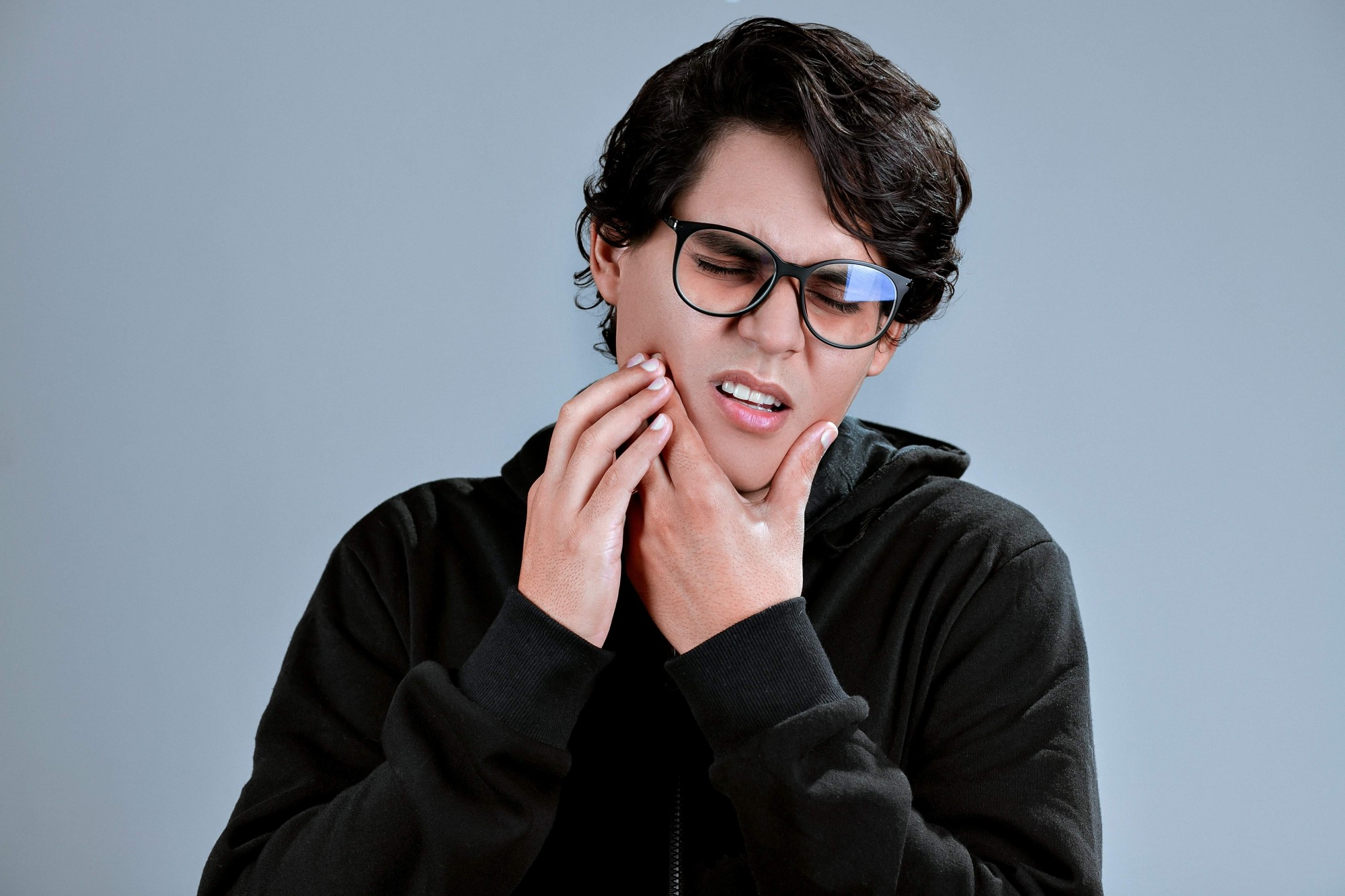
You wake up with a headache almost every morning. You’ve tried aspirin, caffeine, less screen time, and more sleep. Nothing helps — because the headaches aren’t coming from your head. They’re coming from your jaw.
Temporomandibular joint disorders affect more than 10 million Americans, and the symptoms are so frequently mistaken for other conditions — migraines, sinus pressure, ear infections — that patients often go years without a correct diagnosis.
Your headaches start at the temples, not behind the eyes. TMJ headaches concentrate in the temples and sides of the head because the temporalis muscle, which controls jaw movement, attaches near the temple. When that muscle is inflamed from clenching or grinding, the pain radiates upward. Unlike migraines, which often involve sensitivity to light and nausea, TMJ headaches feel like steady pressure and worsen with chewing or talking.
Your jaw clicks, pops, or locks. Clicking or popping when you open your mouth, yawn, or chew is one of the most specific TMJ symptoms — and one many people ignore. The sounds indicate that the disc inside the joint may be displaced or that the joint surfaces aren’t moving smoothly. If the clicking is accompanied by any difficulty opening your mouth fully or your jaw occasionally locking in place, the joint is mechanically compromised.
Your ears hurt but you don’t have an infection. The TMJ sits directly in front of the ear canal. When the joint is inflamed, pain frequently radiates into the ear, creating a sensation that mimics an ear infection — fullness, aching, even ringing (tinnitus). If your doctor has checked your ears repeatedly and found nothing wrong, the source may be the joint next door.
The pain gets worse when you eat, talk, or yawn. Muscle strain headaches don’t intensify with jaw movement. TMJ headaches do. If chewing a meal, having a long conversation, or yawning sends pain into your temples, the jaw muscles are the trigger. Many patients notice this pattern most clearly during meals — especially foods that require significant chewing.
You wake up with a sore jaw or flattened teeth. Nocturnal teeth grinding (bruxism) is one of the most common causes of TMJ disorder, and most people who grind don’t know they do it. A sore jaw upon waking, teeth that appear worn or flattened, and morning headaches that fade by midday are classic signs of nighttime clenching. Your dentist can often spot the wear pattern before you notice the symptoms.
A dentist or oral surgeon can diagnose TMJ disorder through a physical exam and imaging. Treatment ranges from a custom night guard to reduce clenching, to physical therapy for the jaw muscles, to anti-inflammatory medication. The headaches you’ve been treating as tension or migraines may resolve entirely once the jaw is addressed — because the problem was never in your head.