Lifestyle
5 Signs of Glaucoma Most People Don’t Notice Until Vision Is Already Lost
By Erica Coleman · August 15, 2026
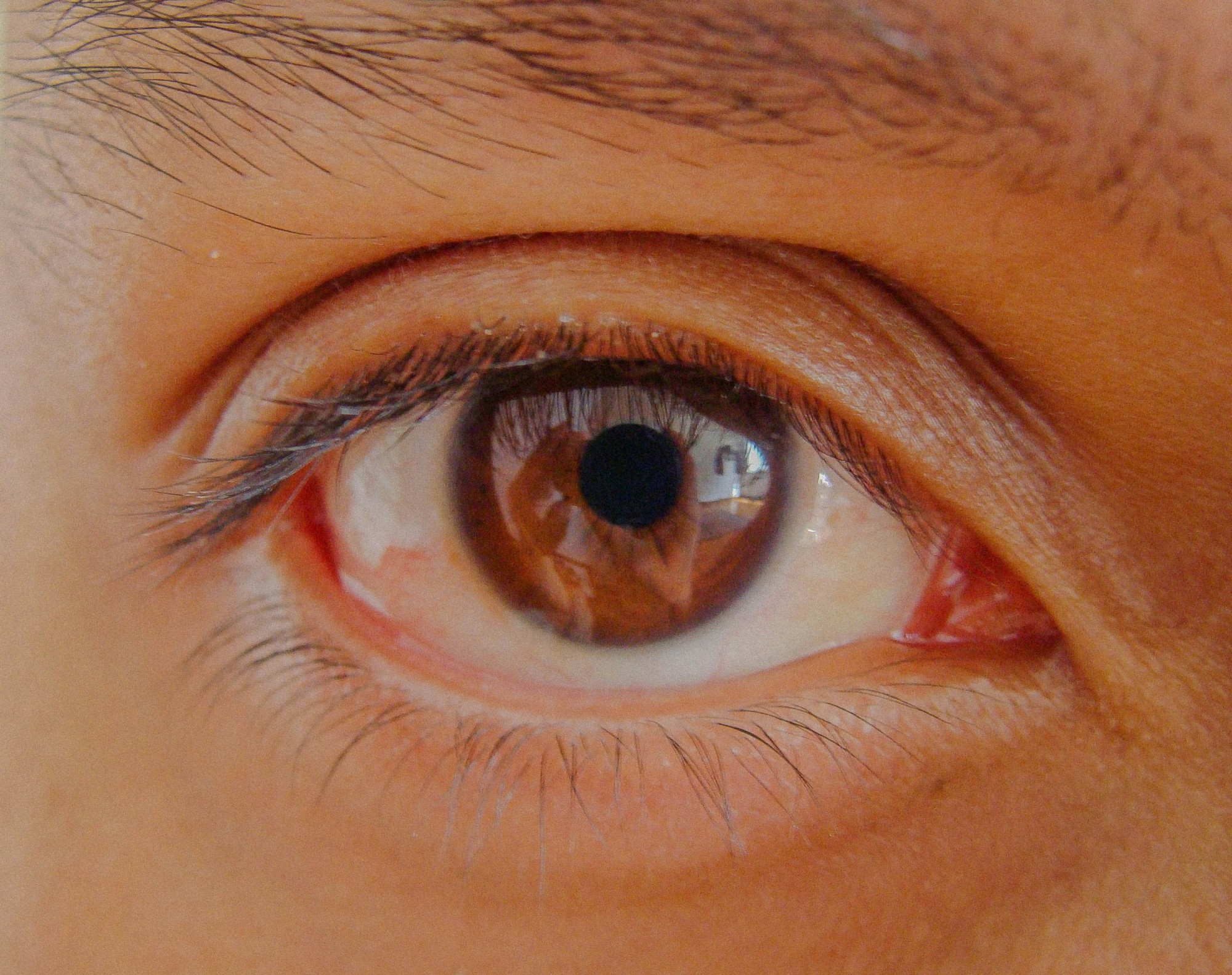
Half of the people who have glaucoma don’t know it. By the time they notice something is wrong, the damage is permanent.
Glaucoma is called the “silent thief of sight” because the most common form — open-angle glaucoma — produces no pain and no obvious symptoms until significant optic nerve damage has already occurred. More than 3 million Americans have it, and roughly half are undiagnosed. The vision it takes cannot be restored.
Your side vision is shrinking and you haven’t noticed. Glaucoma destroys peripheral vision first — the edges of what you can see — while leaving central vision intact. Your brain compensates for the loss by filling in gaps, which means you may not realize your visual field has narrowed until it’s significantly reduced. You might bump into doorframes more often, miss a car in your blind spot, or fail to see someone approaching from the side. The damage happens so gradually that most people adjust their behavior unconsciously instead of recognizing the decline.
You see halos around lights at night. Rainbow-colored rings or halos around headlights, streetlights, and other light sources are caused by elevated fluid pressure inside the eye scattering incoming light. Many people notice this first while driving at night and attribute it to dirty glasses, aging eyes, or fatigue. If halos persist and are accompanied by any other symptom on this list, they deserve an eye exam.
Your night vision has worsened. Difficulty adjusting to low-light environments — needing more time to see clearly after entering a dark room, or finding that nighttime driving feels more dangerous than it used to — can signal early glaucoma-related changes to the optic nerve. Many people assume their night vision is simply declining with age.
Your eyes feel heavy or pressured. Not everyone with elevated eye pressure can feel it. But some people describe a dull heaviness, fullness, or aching behind one or both eyes that comes and goes. Unlike the sharp pain of acute angle-closure glaucoma — which is a medical emergency — the pressure from open-angle glaucoma is subtle and easy to dismiss as eye strain or fatigue.
Your prescription keeps changing but your vision doesn’t improve. Frequent changes to your eyeglass prescription that never quite sharpen your vision the way new glasses used to can indicate optic nerve damage rather than a simple refractive error. If your optometrist keeps adjusting and the improvement doesn’t stick, ask for a comprehensive glaucoma screening that includes eye pressure measurement, optic nerve imaging, and visual field testing.
The risk increases significantly after age 60, in people with a family history, and in African Americans and Hispanics. A comprehensive dilated eye exam — the only test that can detect glaucoma before symptoms appear — takes about 30 minutes and is recommended every one to two years for adults over 40 with risk factors. The test that saves your sight is the one you get before you need it.