Lifestyle
5 Signs of Lyme Disease Most People Mistake for the Flu
By Curtis Jones · August 25, 2026
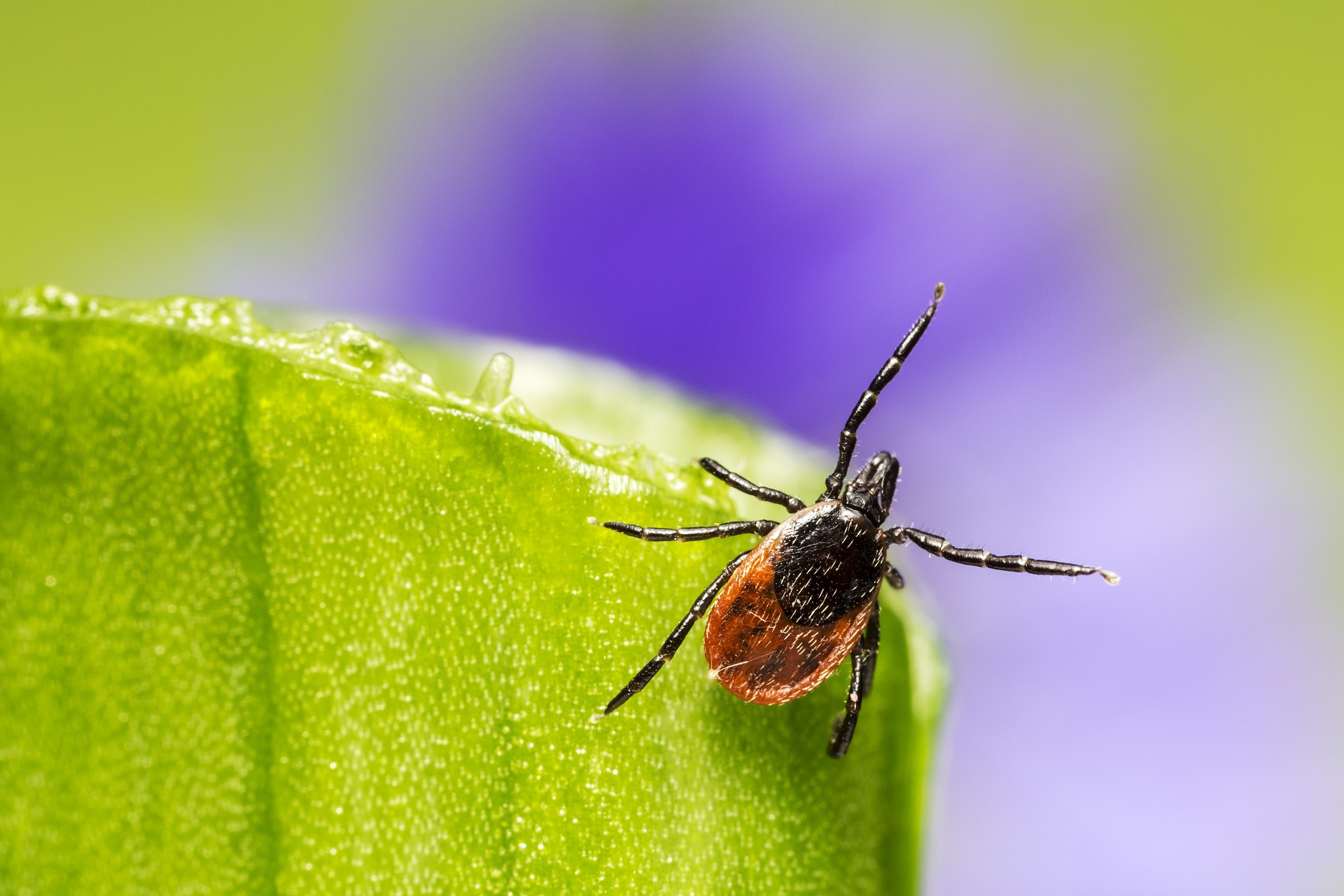
You spent the weekend in the yard. A week later you have a fever, body aches, and fatigue. You assumed it was a summer cold. It might be the most commonly reported tick-borne illness in the country — and the treatment window is closing.
The CDC estimates roughly 476,000 Americans are diagnosed and treated for Lyme disease each year, and the actual number of infections is likely higher. The disease is transmitted by black-legged ticks — often no bigger than a poppy seed — and the early symptoms overlap so closely with common viral illnesses that many cases go undiagnosed until the infection has spread.
You have flu-like symptoms in summer. Fever, chills, fatigue, headache, muscle and joint aches. In winter, this is probably the flu. In July and August — peak tick season — the same symptoms should prompt a different question. Lyme disease presents like the flu because the immune response is similar. The seasonality is the distinguishing clue most people miss.
You have a rash — but it might not look like the bullseye. The classic Lyme rash — erythema migrans — is described as a bullseye: a red center with a clearing ring and an outer red ring. But fewer than half of Lyme rashes present as a perfect bullseye. Many are solid red, oval, or irregularly shaped. The rash typically appears 3 to 30 days after the bite, expands gradually, and may be warm but usually isn’t itchy or painful. If you have an expanding red rash after being outdoors, don’t wait for it to form a ring. Show it to your doctor now.
Your joints hurt — especially one knee. Lyme arthritis — painful swelling in one or more large joints, most commonly the knee — can appear weeks to months after infection. It’s frequently misdiagnosed as a sports injury or early osteoarthritis because it affects a single joint rather than multiple joints symmetrically. If one knee swells without injury during tick season, Lyme should be on the differential.
You’re exhausted beyond what your activity level explains. Lyme fatigue is pervasive, heavy, and disproportionate to activity — similar to what we’ve described in other conditions on this list. The difference is the combination: fatigue plus joint pain plus a recent history of outdoor activity in a Lyme-endemic area. That cluster, together, should trigger testing even without a rash.
You never found a tick. The nymphal ticks that transmit most Lyme infections are the size of a poppy seed. Many attach and feed in areas of the body that are difficult to inspect — the scalp, behind the ears, under the arms, in the groin. The majority of people diagnosed with Lyme disease never saw the tick that bit them. Not finding a tick does not rule out the infection.
Early treatment with a two- to four-week course of antibiotics like doxycycline is highly effective. Delayed treatment can lead to chronic joint pain, neurological symptoms including facial palsy, and cardiac complications. The treatment window matters — and the first step is recognizing that your “summer flu” might not be a flu at all.