Lifestyle
5 Signs of Sleep Apnea Most Couples Miss
By Curtis Jones · July 12, 2026
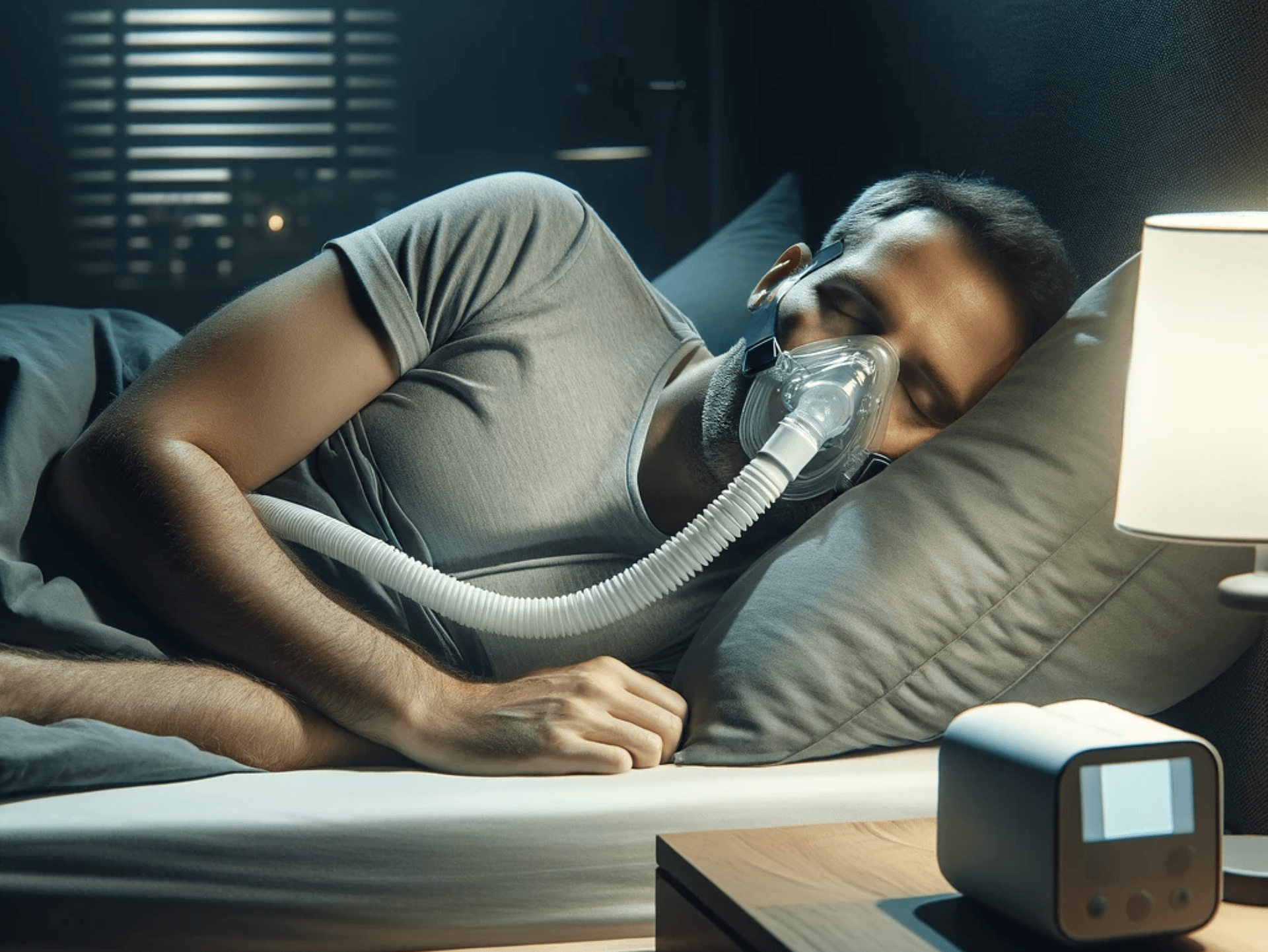
More than 10% of American adults have diagnosed sleep apnea — and medical experts estimate over 80% of people who actually have the condition don’t know it, according to reporting from UCHealth. The reason is almost mechanical: the clearest signs of sleep apnea happen while you’re asleep, which means you’re often the last person to notice them.
That’s why a bed partner’s observations matter as much as anything you’d notice yourself. Here’s what doctors say to watch for — some obvious, some easy to overlook entirely.
Loud snoring interrupted by pauses. Occasional snoring on its own doesn’t mean much. What matters is the pattern doctors specifically listen for: snoring punctuated by moments of silence, followed by a gasp, snort, or choking sound as breathing restarts. Johns Hopkins Medicine notes that a bed partner is often the one who notices these pauses, and that they can recur hundreds of times in a single night without the sleeper ever waking up enough to remember it.
Waking up gasping or feeling like you’re choking. Some people do notice this one themselves, even if only briefly before falling back asleep. It happens when the airway becomes blocked and the body’s automatic response kicks in to reopen it. This particular symptom is considered one of the more reliable signals that a sleep study may be warranted.
Persistent daytime tiredness, even after a full night’s sleep. This is the symptom people most often misattribute to something else — stress, aging, or just being busy. But the fatigue associated with sleep apnea tends to show up in a specific way: nodding off while reading, riding as a passenger, or sitting through a meeting, even after eight hours in bed the night before. That’s different from ordinary tiredness, and it’s a direct consequence of sleep being repeatedly interrupted without the sleeper realizing it.
Morning headaches. Many people with sleep apnea report waking up with a dull, pressing headache on both sides of the front of the head, according to Mayo Clinic Press. It’s thought to be related to changing oxygen and carbon dioxide levels during the repeated breathing interruptions overnight, and it typically fades within a few hours of waking.
Frequent nighttime bathroom trips. This one surprises most people. Waking up multiple times a night to urinate — more than twice a night is generally considered frequent — can be a sign of sleep apnea rather than an unrelated bladder issue. Disrupted sleep and changes in internal pressure during apnea episodes can increase the urge to go, and doctors say it’s an under-recognized symptom that often gets attributed to aging or fluid intake instead.
None of these signs alone confirms sleep apnea — a proper diagnosis requires a sleep study, either at a lab or increasingly through an at-home test ordered by a doctor. But doctors consistently emphasize the same point: a bed partner’s account, even secondhand and imperfect, often provides the clue that gets someone into a doctor’s office in the first place.
Left untreated, sleep apnea is linked to a real increased risk of high blood pressure, heart disease, and stroke — which is exactly why doctors say the earlier it’s caught, the better.