Lifestyle
6 More Things Your Auto Mechanic Hopes You Never Find Out
By Erica Coleman · September 5, 2026
The first mechanic piece was one of our strongest summer performers. Here’s what we didn’t get to — and what readers said they wished they’d known before their last repair bill.
The diagnostic fee covers finding the problem — not giving you the code. Many shops charge $100 to $150 for a diagnostic scan, then refuse to tell you the specific trouble code unless you authorize the repair. The code is data from your car’s computer. Knowing it lets you research the issue and get competing quotes. A shop that withholds the code is protecting its markup, not your vehicle. AutoZone, O’Reilly, and most parts stores will scan your codes for free.
“Dealer-recommended” service intervals aren’t the dealer’s recommendations. Some independent shops post service schedules that exceed the manufacturer’s maintenance guide — oil changes every 3,000 miles on a car designed for 7,500, transmission flushes at 30,000 when the manual says 60,000. The phrase “dealer-recommended” sounds official. It often isn’t. Your owner’s manual is the definitive source. Everything else is a suggestion with a profit motive.
They may charge you for new parts and install refurbished ones. Rebuilt alternators, remanufactured starters, and refurbished brake calipers cost the shop 40% to 60% less than new OEM parts. Some shops bill for new and install rebuilt without disclosing the substitution. Ask whether the parts being installed are new, OEM, aftermarket, or remanufactured — and ask to see the packaging before the old parts go in the trash.
The labor time they’re charging isn’t the labor time they spent. Shops bill labor using standardized “book time” — the estimated hours for a repair published by industry guides. If the book says a brake job takes 2.5 hours and the mechanic finishes in 1.5 hours, you’re still billed for 2.5. This is industry standard and isn’t inherently dishonest. But if a shop bills 4 hours of labor for a job that books at 2 hours, you’re being overcharged — and you’d never know unless you checked the book time yourself.
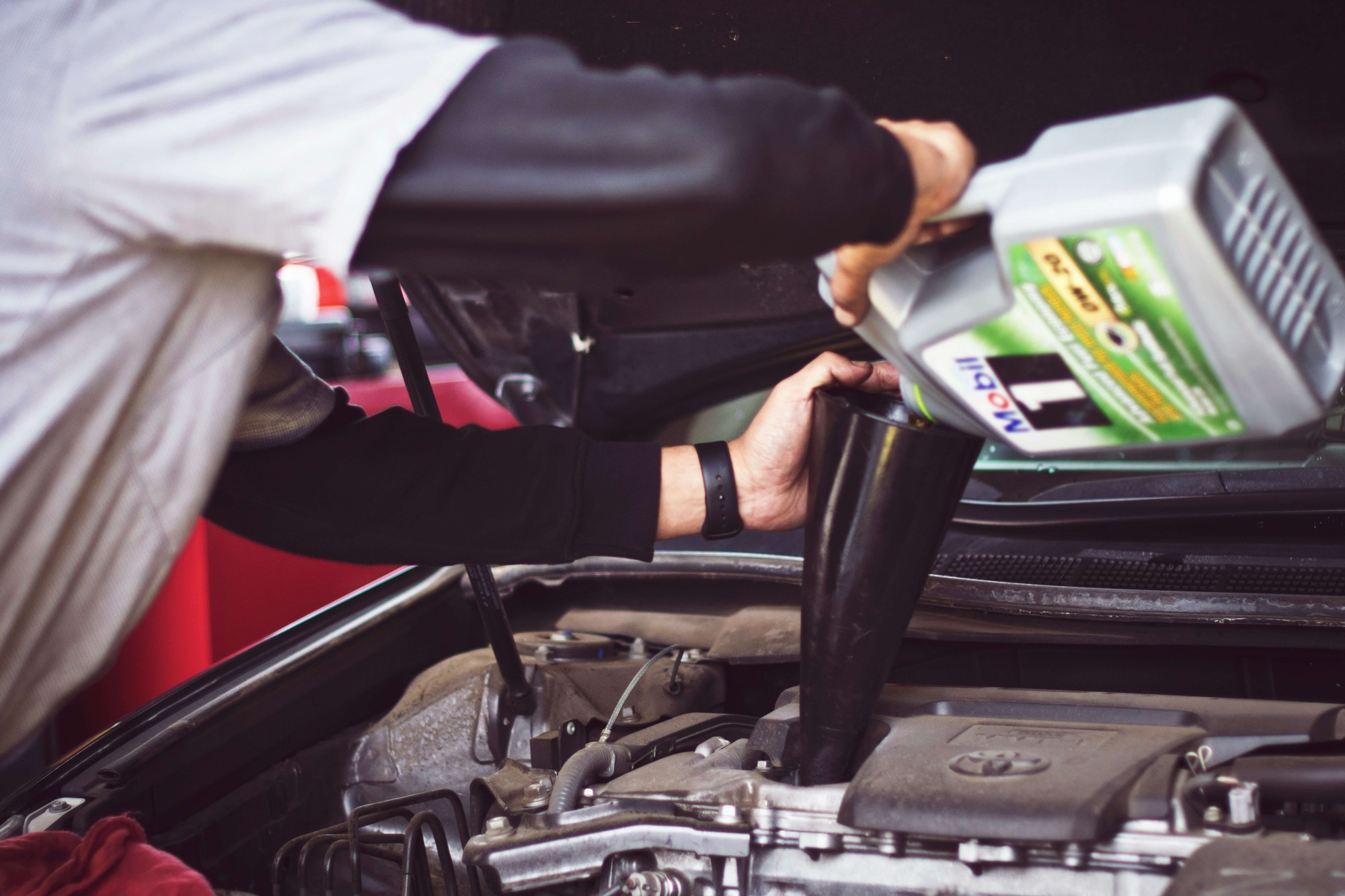
Your car may leave with the same cheap oil regardless of what you paid for. A synthetic oil change costs $65 to $100. A conventional oil change costs $30 to $50. The difference is the oil grade — but you can’t see what’s in the engine after the hood closes. Some shops charge for full synthetic and pour conventional or a blend. Ask to see the oil bottles before the change. If the shop pours from a bulk tank, ask what grade the tank contains.
A second opinion is free at most shops — and could save you thousands. The shop that found the problem has a financial incentive to fix it at the highest price the diagnosis supports. Another shop looking at the same car may disagree with the diagnosis, recommend a less expensive repair, or confirm the original estimate — giving you confidence that the price is fair. The 20 minutes it takes to drive to a second shop is the cheapest insurance in auto repair.