Lifestyle
6 Signs of Spinal Stenosis Most People Mistake for Tired Legs
By Mike Harper · October 19, 2026
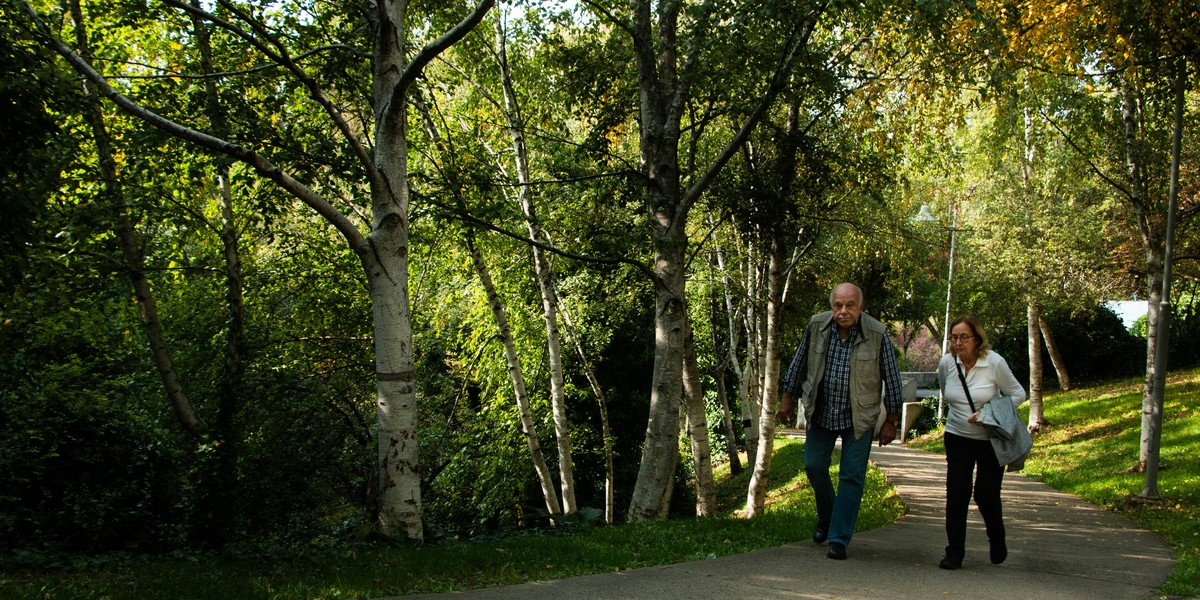
Your legs ache two blocks into a walk. You sit on a bench for a minute, and the ache fades. It’s tempting to blame age or being out of shape. It can also be your spine.
Spinal stenosis happens when the spaces in the spine narrow and create pressure on the spinal cord and nerve roots, according to the National Institute of Arthritis and Musculoskeletal and Skin Diseases. It most often develops in the lower back and neck, and the chances rise with age. The American Academy of Orthopaedic Surgeons says that by age 50, up to 95% of people have some wear and tear in their spine, and that stenosis shows up most often in adults over 60, in men and women equally.
Symptoms usually build slowly, NIAMS says, and some people have none. These six are the ones most often brushed aside.
Leg pain that builds when you walk or stand. NIAMS describes a burning pain or ache that runs down the buttocks into the legs and typically gets worse with standing or walking. AAOS says walking more than a block or two may bring on severe leg pain or weakness.
Relief when you sit or lean forward. This is the telltale pattern. NIAMS says bending forward opens up the spaces at the back of the spine and can ease symptoms. AAOS notes that some people can ride a stationary bike or walk while leaning on a shopping cart, even when walking upright is hard.
Numbness, tingling, or cramping in the legs and feet. NIAMS says these may become more pronounced while standing or walking.
Weak legs or a foot that slaps the ground. When pressure on the nerves reaches a certain point, AAOS says, weakness can show up in one or both legs. Some people develop foot drop, the feeling that a foot slaps down while walking.
Tingling in the hands or a stiff, sore neck. When the narrowing is in the neck, NIAMS says, symptoms can include neck pain, numbness or tingling down the arms into the hands, and weakness in a hand, arm, or fingers.
Little or no back pain. AAOS says people with spinal stenosis may or may not have back pain, depending on how much arthritis has developed. The legs may be the only clue.
Blocked leg arteries can cause a similar walking pain. The National Heart, Lung, and Blood Institute says peripheral artery disease brings aching or cramping in the legs that comes with walking and goes away after rest, often in the calf. A 2013 study in the Canadian Journal of Surgery of 53 patients found that pain above the knees that started with standing alone, eased with sitting, and eased while leaning on a shopping cart pointed strongly to the spine. Calf pain that eased simply by standing still pointed to the arteries. The authors said single symptoms were weak clues on their own, so tell your doctor exactly when the pain starts and what makes it stop.
Some symptoms can’t wait. AAOS says numbness in the groin area, loss of bladder or bowel control, or legs too weak to walk can signal a rare emergency called cauda equina syndrome.
Diagnosis usually starts with a physical exam, including how you walk and whether bending backward or forward changes the pain, NIAMS says, often followed by an MRI or CT scan. Treatment typically begins with physical therapy and medication. NIAMS suggests regular exercise, at least three times a week for 30 minutes, and AAOS says surgery is generally reserved for people whose pain and weakness seriously limit daily life.
This article is for general information and is not medical advice. Talk with your doctor about new or worsening leg or back pain, and seek emergency care for loss of bladder or bowel control.