Lifestyle
6 Things Your HVAC Company Hopes You Never Find Out
By Curtis Jones · August 14, 2026
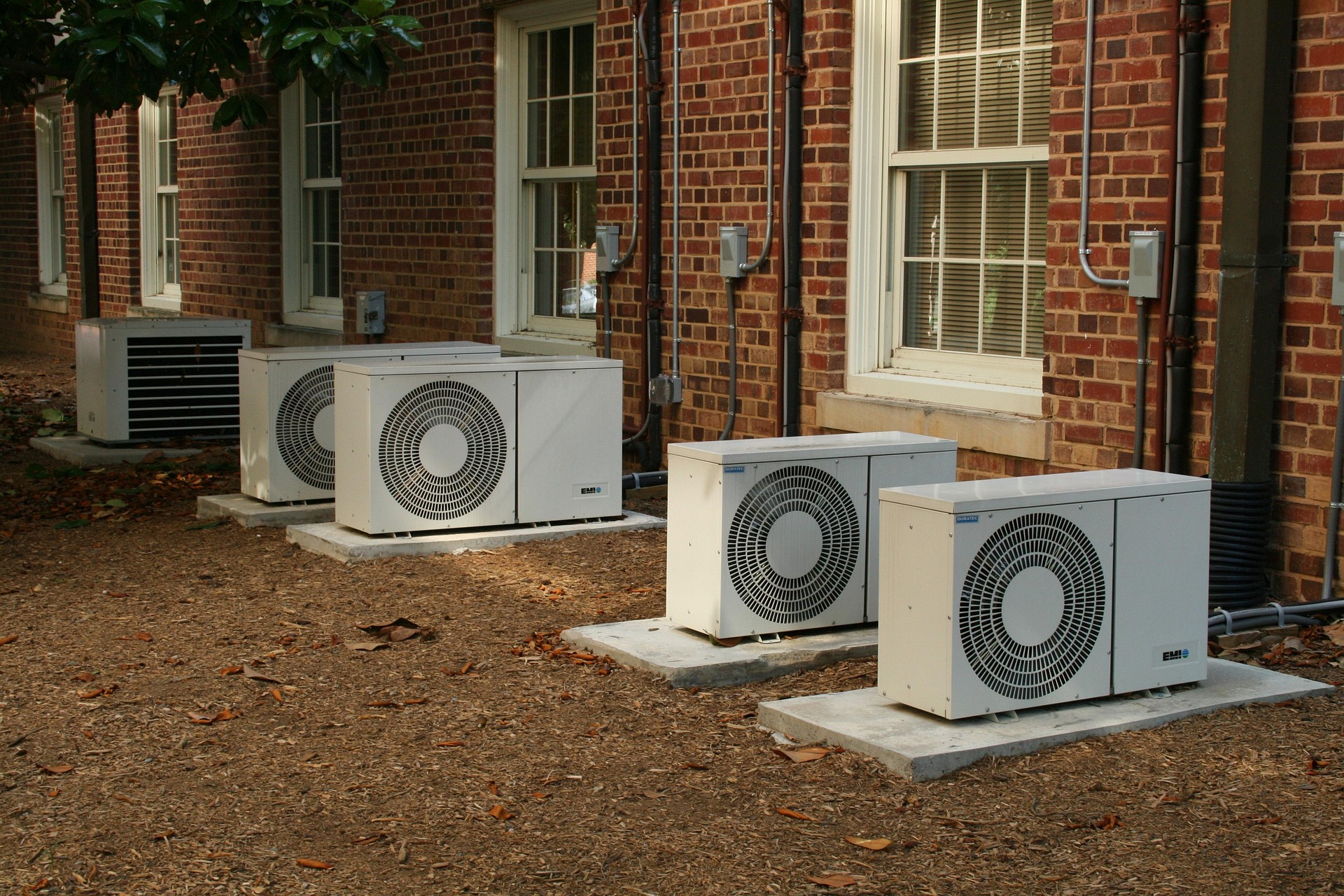
Your air conditioner stopped working on the hottest day of the year. The technician said you need a new system. You agreed because what choice did you have?
HVAC repair is one of the most panic-driven purchases a homeowner makes, and the industry knows it. When your house is 90 degrees and the technician is standing in your living room, you’re not shopping around. Here’s what they’d rather you didn’t know.
Refrigerant doesn’t just “run out.” One of the most common upsells is a refrigerant recharge — $300 to $600 to “top off” your system. But refrigerant operates in a closed loop and doesn’t deplete on its own. If it’s low, there’s a leak. A technician who recharges without performing a leak inspection is selling you a temporary fix that guarantees they’ll be back — and charging you again — within months.
The $99 tune-up is designed to sell you something. Low-cost maintenance specials — $49 tune-ups, free inspections, seasonal check-ups — are loss leaders. The technician arrives, inspects the system, and conveniently discovers problems that require expensive repairs. Legitimate maintenance finds real issues. But if every tune-up ends with a $1,200 repair recommendation, the business model is the diagnosis, not the service.
A minor repair can be framed as a system failure. A clogged drain line, dirty filter, loose wire, or faulty thermostat can be presented as evidence that the entire system is failing — especially to a homeowner who can’t evaluate the diagnosis. One homeowner in Fairfax, Virginia, was quoted $25,000 for a system replacement. A second company installed a comparable system for far less after determining the original diagnosis was inflated. Getting a second opinion on any repair over $1,000 takes a phone call. Not getting one can cost thousands.
They may charge for OEM parts and install aftermarket. Some contractors bill for premium manufacturer-approved components and install lower-cost generic replacements, pocketing the difference. Generic parts may not match the performance or durability of OEM components and can void your manufacturer’s warranty. Ask to see the packaging or part number before approving the work.
“Your R-22 refrigerant is illegal” is a lie. R-22 production stopped in 2020, but reclaimed and existing stocks are still perfectly legal to use. Some technicians tell homeowners their older system can no longer be serviced because the refrigerant is “banned,” pressuring them into a full replacement. Your R-22 system can still be repaired and recharged — the refrigerant is harder to find and more expensive, but it’s not illegal.
A second opinion is free and could save you thousands. No reputable HVAC company will object to you getting another estimate. The ones who pressure you into a same-day decision — “I can’t guarantee this price tomorrow” or “your system could fail tonight” — are using urgency as a sales tactic, not a diagnostic conclusion.