Lifestyle
6 Things Your Painting Contractor Hopes You Never Check Before Hiring
By Erica Coleman · August 25, 2026
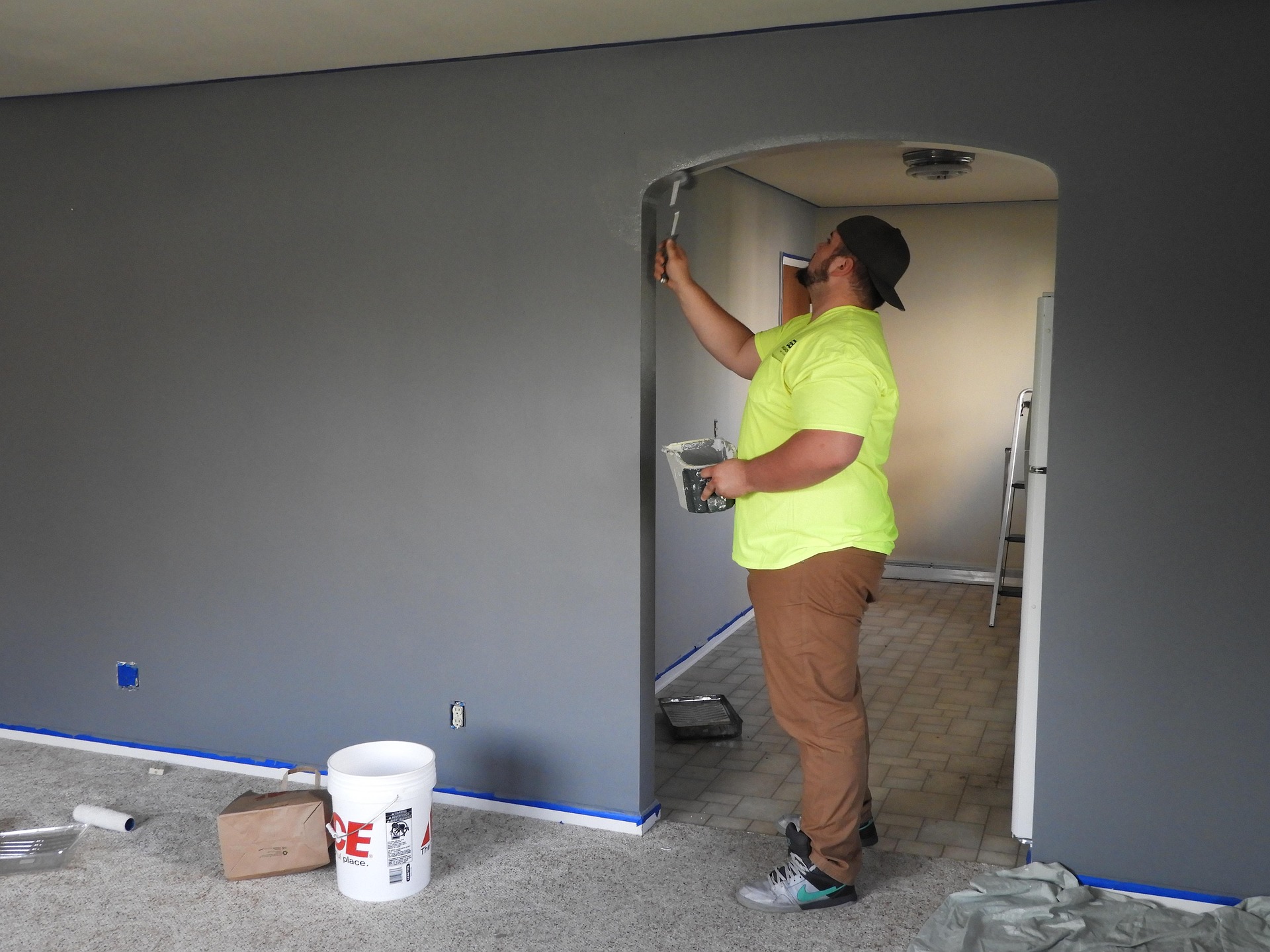
The estimate was $4,200. The final bill was $7,800. The difference is six things you didn’t check before the first brush touched the wall.
Residential painting is one of the most commonly contracted home improvement jobs in the country — and one of the most complaint-prone. Low barriers to entry mean anyone with a ladder and a paint sprayer can call themselves a contractor. Here’s what separates the ones who do the job right from the ones who are counting on you not knowing the difference.
The estimate may not include prep work. Scraping, sanding, caulking, priming, and repairing damaged wood are the most labor-intensive parts of any exterior paint job — and they’re the parts that determine how long the paint lasts. Some contractors quote only the painting itself and then add prep work as extras once the job begins. A low estimate that doesn’t itemize prep, prime, and paint separately is almost certainly excluding something that will appear on the final bill.
“Two coats” may not mean what you think. A contract that promises “two coats” may mean two coats on the body of the house — but only one coat on the trim, doors, and window frames. Or it may mean one coat of primer and one coat of paint, not two coats of finish paint over a separate primer. Ask specifically: how many coats of finish paint on each surface? Is primer separate? The answer should be in the contract, not in a conversation you can’t prove happened.
They may dilute the paint. Watering down paint — adding thinner or water to stretch a gallon further — produces a thinner film that fades faster, covers less evenly, and needs repainting sooner. A gallon of quality exterior paint covers roughly 350 to 400 square feet. If a contractor’s paint consumption seems unusually low for the square footage, the paint may have been stretched. Asking how many gallons the job requires and checking the math gives you a baseline.
Their “crew” may be day laborers they hired this morning. Many painting contractors operate as solo operators who hire temporary workers per job. These workers may have no training, no experience with the materials being used, and no stake in the quality of the finished product. Ask whether the crew has worked with the contractor before and whether the contractor will be on-site supervising. A crew that’s never painted together before is more likely to produce inconsistent work.
The warranty may cover only peeling — not fading, cracking, or bubbling. Some contractors offer a “warranty” that sounds comprehensive but covers only one specific failure mode. Paint can fail in many ways — peeling, chalking, bubbling, cracking, fading — and a warranty that covers only peeling from adhesion failure excludes the majority of paint problems. Get the warranty in writing and read what it actually covers and for how long.
No license is required in many states. Painting contractor licensing requirements vary widely. Some states require a contractor’s license for any job over a certain dollar amount. Others have no licensing requirement at all. A contractor who is “licensed” in one state may be operating without credentials in another. Check your state’s requirements and verify the license before work begins. Also confirm that the contractor carries general liability insurance and workers’ compensation — if an uninsured worker falls off a ladder on your property, the liability may be yours.
A good paint job lasts 7 to 10 years. A bad one starts failing in 18 months. The difference is almost entirely about preparation, materials, and the skill of the crew — none of which you can evaluate from a price.