Lifestyle
6 Things Your Veterinarian Hopes You Never Price‑Check
By Erica Coleman · August 6, 2026
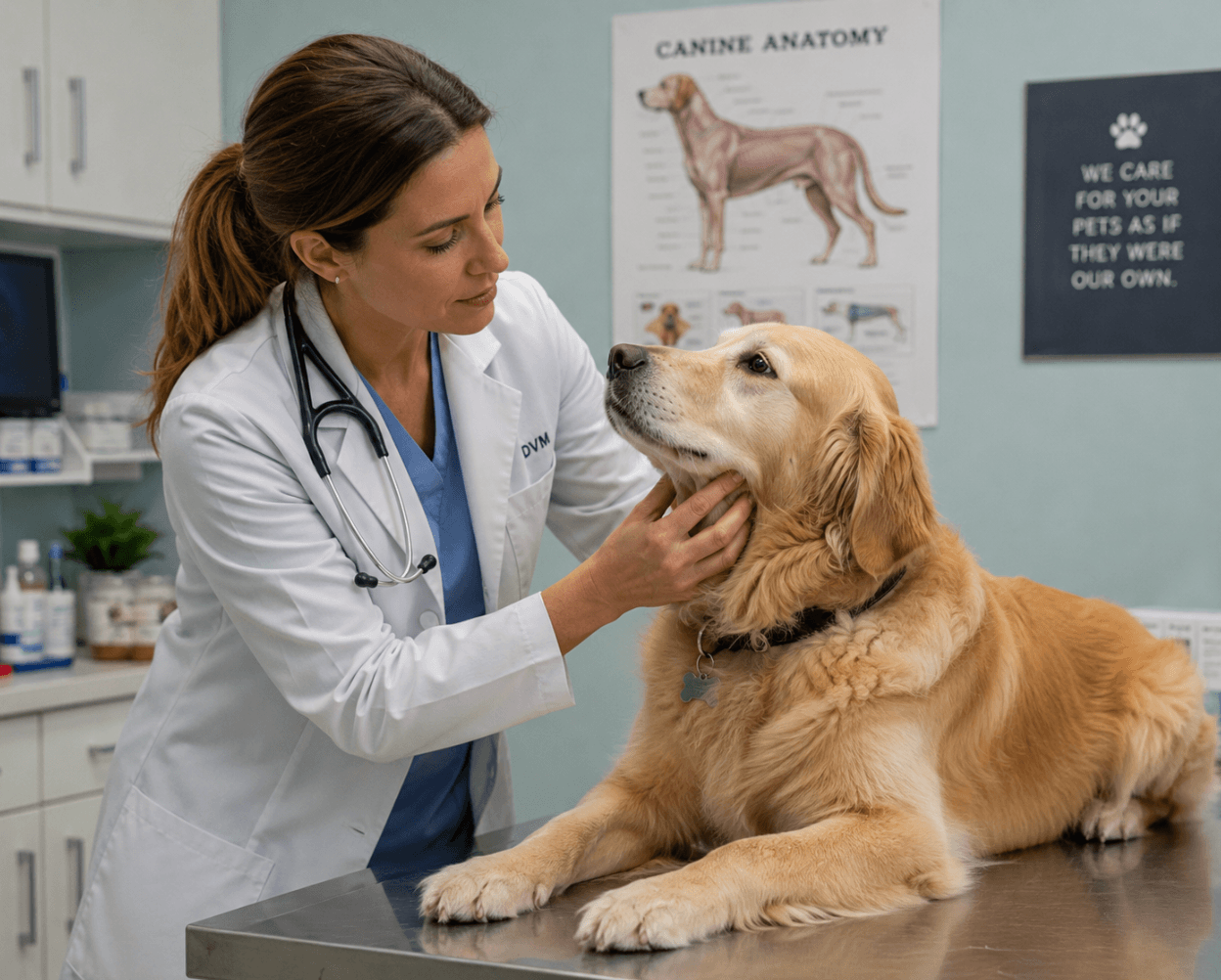
You love your dog. Your vet knows that. And your willingness to pay anything for your pet is exactly what the pricing model is built on.
Veterinary care costs have risen 60% faster than general inflation over the past decade, and the emotional dynamics of pet ownership make it nearly impossible for most people to comparison shop in the moment. When a vet says your cat needs an emergency ultrasound, you don’t ask for a second quote. Here’s what the industry counts on you not checking.
The same procedure costs wildly different amounts at different clinics. A routine dental cleaning can range from $300 at one practice to $900 at another in the same city. Spaying or neutering varies from $200 to $800 depending on the clinic, with specialty and emergency hospitals charging the most. Calling two or three practices for quotes on non-emergency procedures takes minutes and can save hundreds of dollars per visit.
Prescription food is often available cheaper elsewhere. Veterinarians sell prescription diets directly at a significant markup over online retailers. The same bag of Hill’s Prescription Diet or Royal Canin that costs $85 at the vet’s office may be $55 to $65 on Chewy or Amazon with a valid prescription. Your vet is required to provide a written prescription if you ask — they cannot force you to buy the food from their clinic.
In-house lab work carries a premium. Bloodwork run at the vet’s in-house lab is convenient but expensive. Many practices charge $200 to $400 for a comprehensive panel. Outside reference labs that clinics send samples to charge the practice significantly less — but the markup to the customer remains high. Ask whether your vet uses an outside lab and whether pricing differs.
Vaccine packages may include shots your pet doesn’t need. Annual wellness visits often include a standard vaccine bundle. But not every vaccine in that bundle is necessary for every pet. The leptospirosis vaccine, for example, is recommended for dogs with outdoor or water exposure but unnecessary for indoor-only apartment dogs. Ask which vaccines are core — required by law or essential for every pet — and which are lifestyle-based. Declining the ones that don’t apply to your animal can save $40 to $80 per visit.
Pet insurance covers more than most owners realize — and less. Pet insurance typically reimburses 70% to 90% of covered costs after a deductible. But pre-existing conditions are excluded, waiting periods apply, and many plans don’t cover wellness visits, dental cleanings, or prescription diets. Understanding exactly what your plan covers before your pet needs emergency care prevents the surprise of a $4,000 bill that’s only partially reimbursable.
The emergency vet charges triple — and regular practices know it. Emergency veterinary hospitals charge facility fees of $150 to $300 just to walk in the door, on top of treatment costs that run two to three times what a regular practice charges for the same procedure. Regular practices know this, and some deliberately limit after-hours availability because the emergency hospital referral doesn’t hurt their business. Asking your regular vet whether they offer after-hours or urgent-care appointments before an emergency arises can save you the facility fee and the markup.
Veterinarians provide essential care. Most are dedicated professionals who genuinely love animals. But the pricing structure is designed for a customer who doesn’t shop around — and the customer who does saves real money without compromising their pet’s health.