Lifestyle
At 55 She Moved Into a 55-and-Over Community for Peace and Quiet. Five Years Later, at 60: “It’s Just Depressing”
By Mike Harper · November 6, 2026
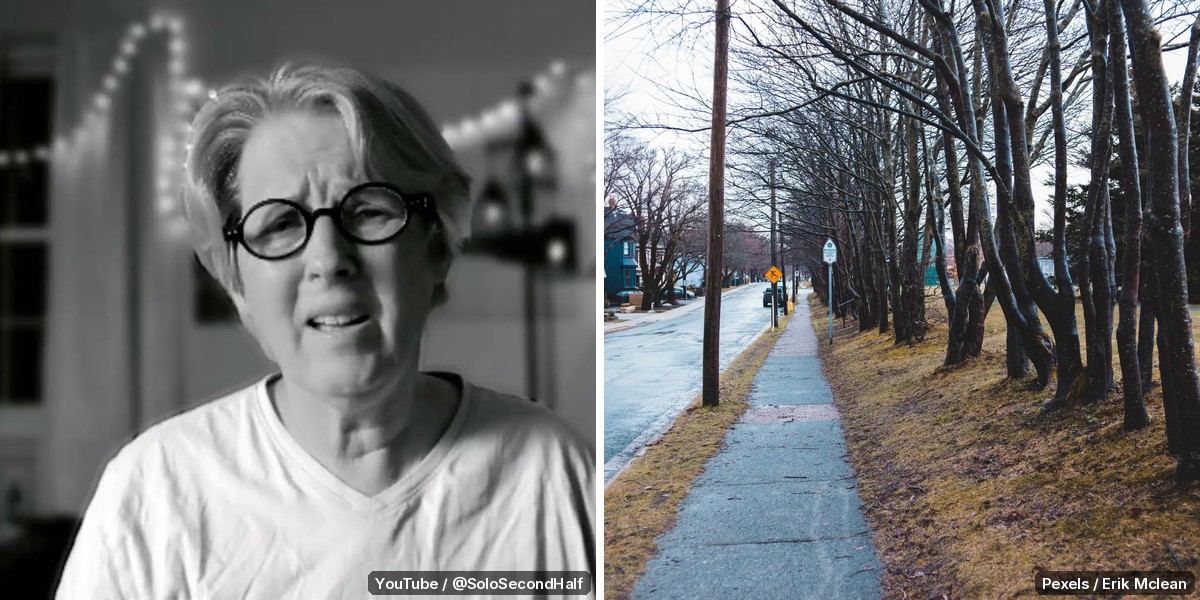
A 55-and-over community can sound like the answer to noise, safety and taxes. For one woman who moved in at 55, the quiet she wanted came with a kind of emptiness she did not expect.
“Five years ago, I moved to a retirement community,” she said in a June 28 video on her Solo Second Half channel (@SoloSecondHalf). It was “55 and over.” She wanted peace and quiet in the evenings, plus safety and lower taxes. “I moved in when I was 55,” she said.
She walks through what changed in her video on YouTube.
Five years later, the tone is different. “I’m 60 years old,” she said. The neighbors she sees feel older and frailer than she pictured. Ambulances are common. Conversations, she says, lean toward illness and loss. “I don’t have any friends around here,” she said. Her summary is blunt: “It’s just depressing.”
She also invites a counterpoint. If you live in a 55-plus community and you are happy, she says that is fine, and she asks people to say so. That matters. This is one person’s experience on the East Coast, not a verdict on every age-restricted neighborhood. Many residents find friends, clubs and a pace that fits. Hers did not.
National research helps explain why the social piece cuts so deep. The National Institute on Aging says loneliness and social isolation are associated with higher risks for health problems such as heart disease, depression and cognitive decline. Loneliness is the distressing feeling of being alone or separated. Social isolation is having few people to interact with regularly. You can live among thousands of neighbors and still feel both.
Housing preferences point the same way. AARP’s 2024 Home and Community Preferences survey, as reported by HousingWire, found that 75% of adults 50 and older want to remain in their current homes as they age, and 73% hope to stay in their communities. Nearly half of adults 50-plus expect to relocate at some point, with property maintenance among the cost drivers. Moving for quiet and taxes can solve one problem and open another if friendship and daily activity do not follow.
A few practical questions her story raises for anyone touring a 55-plus development:
What is the real average age on the ground, beyond the marketing minimum?
Where do friendships form? Clubs, faith groups, volunteer work and nearby towns matter as much as the clubhouse brochure.
How busy is daily life? Empty streets and rare yard activity may be peaceful to some people and isolating to others.
Can you leave if it is wrong? Selling and moving again is costly. Test the social fit before you commit.
Her video is not an indictment of age-restricted living. It is a reminder that peace and quiet are only part of a home. Connection is the other half, and it does not arrive automatically with a 55-and-over gate.
This article is for general information and is not financial or legal advice. This article was produced with the assistance of AI and fact-checked against the sources cited by LightWave Reports.