Lifestyle
Chris and LeeAnne Lost Their Home After Medical Debt. Now They Live Full-Time in an RV on His Disability Check: “I Went Broke”
By Mike Harper · November 13, 2026
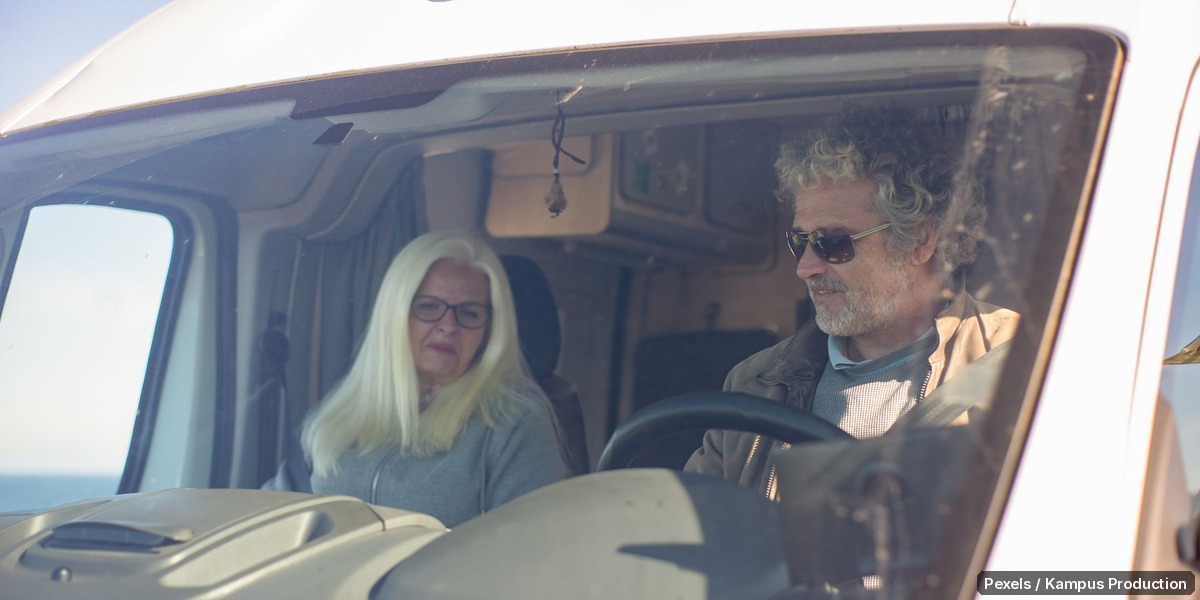
Chris Pentico followed the advice he grew up with. It did not work out the way he was promised.
“My parents said go to school, work your butt off and you’ll be able to retire well. That’s not true,” he told Denver7 reporter Jaclyn Allen in a 2016 report on older Coloradans who gave up their homes for life on the road.
His turn came fast. “When I became disabled two years ago, I went broke,” he said.
According to Denver7, medical debt forced Chris and his wife, LeeAnne, into bankruptcy, and they lost their home. LeeAnne, a retired Aurora schoolteacher, became his full-time caregiver. The couple retired into their RV, and the broadcast said they live on his Social Security disability, about 1,500 dollars a month.
The Penticos told the station that the road beats the alternative. Chris said life in the camper is better than low-income housing. It gives them some freedom to travel and to see their family, especially the grandkids.
LeeAnne hopes to bring in extra money through work camping, where RVers take jobs at the places they stay. Still, the couple told Denver7 they worry about what will happen when they are too old to keep moving.
“Worst case scenario is we live with one of the girls, say, ‘Hey, mom’s moving in,’” LeeAnne said. She told the station she could not see “plunking us in a cheap apartment someplace, being away from family and not being able to go anywhere and sitting.”
Not everyone in the report hit the road out of necessity. At Cherry Creek State Park, Judy and Bob Dumcum work as campground hosts and live full time in their luxury RV.
“It’s like a camp for geezers,” Judy said with a laugh.
Work camping does not pay wages, the broadcast explained, but it gives the Dumcums perks such as free hookups. That means they are not paying out of pocket for their place to live or for utilities.
Kim Gorgens, a clinical psychologist at the University of Denver who studies aging, told Denver7 the shift is real. “It’s a totally different ballgame than it was even 20 years ago,” she said. At the time of the report, she noted that half of all seniors still had mortgage debt, leaving many to put off retirement.
“It’s a way to unshoulder mortgage debt. It’s a way to reduce expenses,” Gorgens said of RV life. Denver7 reported that Workamper News, a resource for RVers looking for work, had about 14,000 members, most of them seniors.
For people in the Penticos’ situation, the main support is Social Security Disability Insurance. The Social Security Administration says SSDI provides monthly payments to people whose disability stops or limits their ability to work. To qualify, a person needs a disability or blindness and enough work history. The payment is based on a person’s work history before the disability began, and benefits may include Medicare.
The agency also says some people can return to work or keep working without losing their disability benefits, and it offers guidance on that. Once approved, people must report changes to their work, income and personal information, and the SSA sometimes reviews cases to check that a person still has a disability.
Anyone weighing a move like this can start by checking their own Social Security record and estimated benefits at ssa.gov.
For the Penticos, the math came down to family. As LeeAnne put it, the RV “becomes a nice alternative.”
This article is for general information and is not financial or legal advice. The Penticos’ and Dumcums’ story is from Denver7’s 2016 report by Jaclyn Allen; Social Security rules are as described by the Social Security Administration. This article was produced with the assistance of AI and fact-checked against the sources cited by LightWave Reports.