Lifestyle
He Built His Own Retirement Home and Lived There 16 Years. At 72, He Lives in a Tiny Home Instead: “It’s Easy for Me to Live on My Pension Here”
By Curtis Jones · November 10, 2026
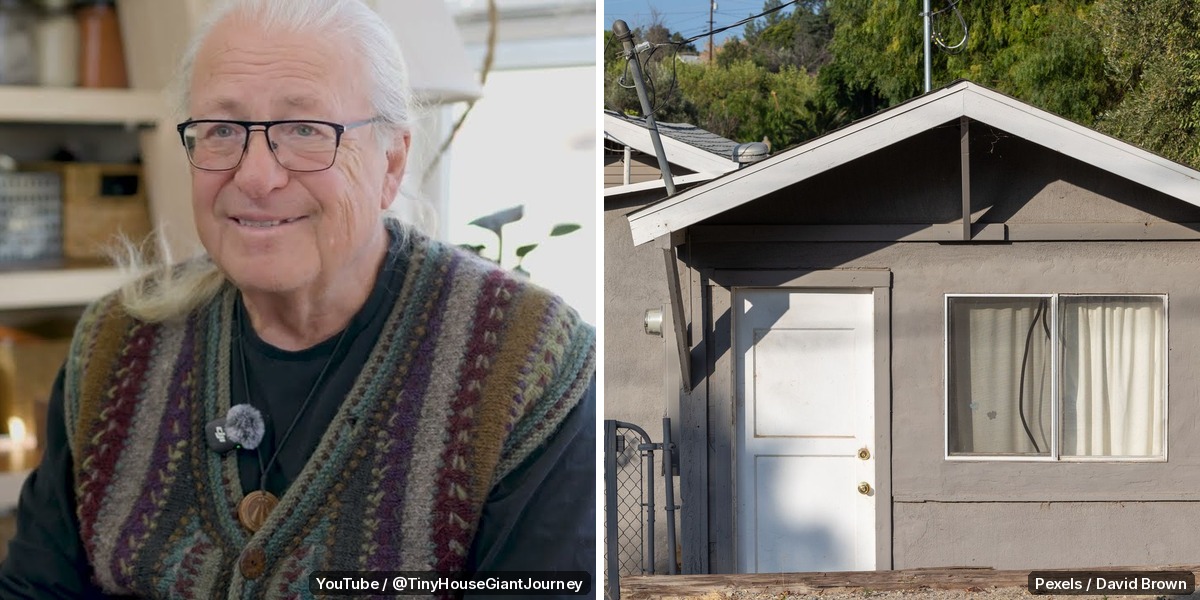
Jim spent 16 years in a retirement home he built himself in Vermont. Today he lives in a 399-square-foot tiny home in a tiny home village in Austin, Texas, near two of his daughters.
“My name is Jim, and this is my tiny home,” he says at the start of a home tour posted in March by the YouTube channel Tiny House Giant Journey (@TinyHouseGiantJourney). He mentions that he is 72 while explaining why he had the steep ladder to his loft replaced. The old one, he says, was way too sketchy for him to go up and down on.
The house in Vermont came first. “I built a retirement home and I lived in it for 16 years. It had a lot of labor attached to it,” he says. Over time, he says, it became more than he could care for, so he put it up for sale and downsized. He had to get rid of a lot of his belongings, and his daughters helped him move and set up the new place.
Being closer to family was part of the draw. He says that when he lived in Vermont and they lived in Texas, they saw each other maybe twice a year, and not for very long.
The money side is what he highlights most. He says the home is paid off and that he does not pay property tax on it, which he calls a huge savings compared with what he paid in Vermont. He does pay lot rent, which he considers reasonable because it includes lawn maintenance and water for the lawn.
“My electric bill is like $18,” he says, and he puts his heating bill at about $35 when it has been cold. “It’s easy for me to live on my pension here.” He adds that the life is not showy, but it is comfortable.
He walks through every room in the full tour on YouTube.
The tour shows how he made a small space feel like his own. He painted the exterior a different color from the other homes, added wood to the porch columns and put in a new front door because, as a New Englander, the original felt like a patio door. Inside, he kept handmade pottery, an antique bookcase and his great-grandparents’ bed, even though it takes up a lot of space. He gave some furniture and much of his art to his daughters and says he still gets to see it at their homes. He gave up his book collection and now uses the public library.
For comparison, the U.S. Energy Information Administration says the average U.S. residential customer bought about 899 kilowatthours of electricity a month in 2022. A small, newer home uses far less space to heat and cool, though bills depend on climate, rates and the home itself.
Jim’s numbers are his own. Lot rent, purchase prices, local tax rules and utility rates vary widely, and a tiny home village will not suit everyone, especially anyone who has trouble with stairs or lofts.
If you are weighing a smaller home, a few things you can check:
Ask for a full list of monthly costs, including lot rent and what it covers.
Ask your county tax office how the home would be taxed where you plan to live.
Ask the community or the utility for typical recent bills for a home that size.
Look at the layout for stairs, ladders and shower access, and think about how it would work as you get older.
For Jim, the trade was fewer rooms and fewer things for lower bills, less upkeep and more time near his daughters.
This article is for general information and reflects the creator’s own account of his costs. It is not financial or tax advice. This article was produced with the assistance of AI and fact-checked against the sources cited by LightWave Reports.