Lifestyle
Is That Ringing in Your Ears Tinnitus? Why It Gets More Common With Age and When to See a Doctor
By Mike Harper · October 26, 2026
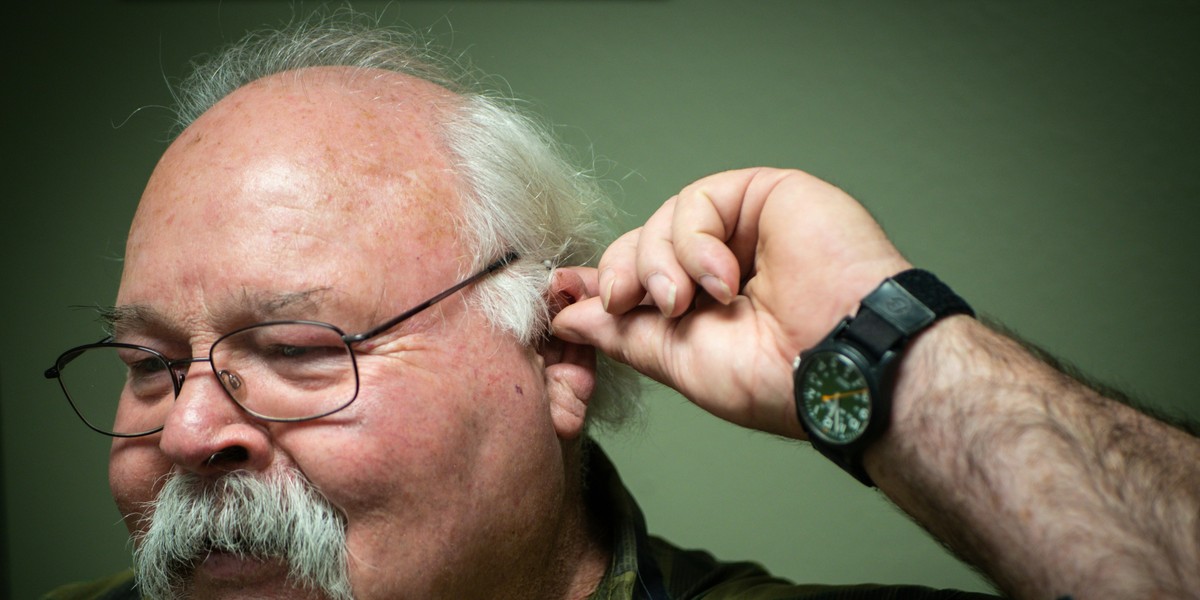
A high whine at bedtime, a faint buzz in a quiet room, a hiss nobody else seems to notice. For many older adults, these sounds arrive gradually and then stay. The usual name for them is tinnitus, and while it is rarely dangerous, a few versions are worth a prompt call to a doctor.
Mayo Clinic defines tinnitus as ringing or other noises in one or both ears that don’t come from an outside sound, and says it is common and more common in older adults. The National Institute on Deafness and Other Communication Disorders says the sound may ring, buzz, roar, whistle, hum, click, hiss or squeal. It can be soft or loud, high or low, and it may come and go or be present all the time. When it lasts three months or longer, the institute considers it chronic.
Tinnitus is a symptom rather than a disease. Mayo Clinic says it is linked to more than 200 different health conditions, and that in many cases doctors can’t find an exact cause.
Hearing loss is the most common thread. The institute says most people with tinnitus have some degree of hearing loss, which can be caused by aging or loud noise. Mayo Clinic explains that age or regular exposure to loud sounds can bend or break the tiny hair cells in the inner ear, which can then leak random electrical signals to the brain. It adds that as people age, the nerve fibers in the ears don’t work as well.
Medicines are another cause. The institute lists nonsteroidal anti-inflammatory drugs such as ibuprofen, naproxen and aspirin, certain antibiotics, cancer drugs, antimalarial medicines and antidepressants, especially at high doses. Mayo Clinic adds water pills, called diuretics, and says the noise often goes away when the medicine is stopped.
Simpler explanations exist too. The institute says a blockage of the ear canal by earwax, or fluid from an ear infection, can trigger tinnitus. Less common causes on its list include jaw joint problems, Meniere’s disease and a benign tumor on the nerve that leads from the inner ear to the brain.
Blood vessels can play a part. The institute notes that high blood pressure and atherosclerosis, a buildup in the artery walls, can alter blood flow and cause tinnitus. In rare cases the sound pulses in time with the heartbeat, and Mayo Clinic says this pulsatile type is usually caused by conditions related to blood vessels.
Mayo Clinic advises seeing a healthcare professional if tinnitus bothers you, or if it starts after a cold and doesn’t go away within a week. It says to be seen as soon as possible if tinnitus comes with sudden hearing loss, dizziness, or numbness or weakness in the face, arm or leg, or if it is making you anxious or depressed or disrupting sleep. Tinnitus that starts after a car accident or similar injury calls for emergency care.
The institute suggests starting with a primary care doctor, who can check for earwax or fluid and review medicines. An ear, nose and throat specialist or an audiologist may follow, and imaging may be ordered, especially if the tinnitus pulses.
There is no cure, the institute says, but there are ways to make it less noticeable. Hearing aids are one of the main options for people who also have hearing loss. Sound generators, counseling and cognitive behavioral therapy can help as well. The institute adds that none of the vitamins, herbal extracts or supplements advertised as cures has been proven to work.
This article is for general information and is not medical advice. Talk with your doctor about new or changing ear symptoms, and don’t stop a prescribed medicine without checking first. This article was produced with the assistance of AI and fact-checked against the sources cited by LightWave Reports.