Politics
NYC Mayor Adams Moves to Derail Mamdani’s 2026 Rent Freeze
By Jake Beardslee · December 19, 2025
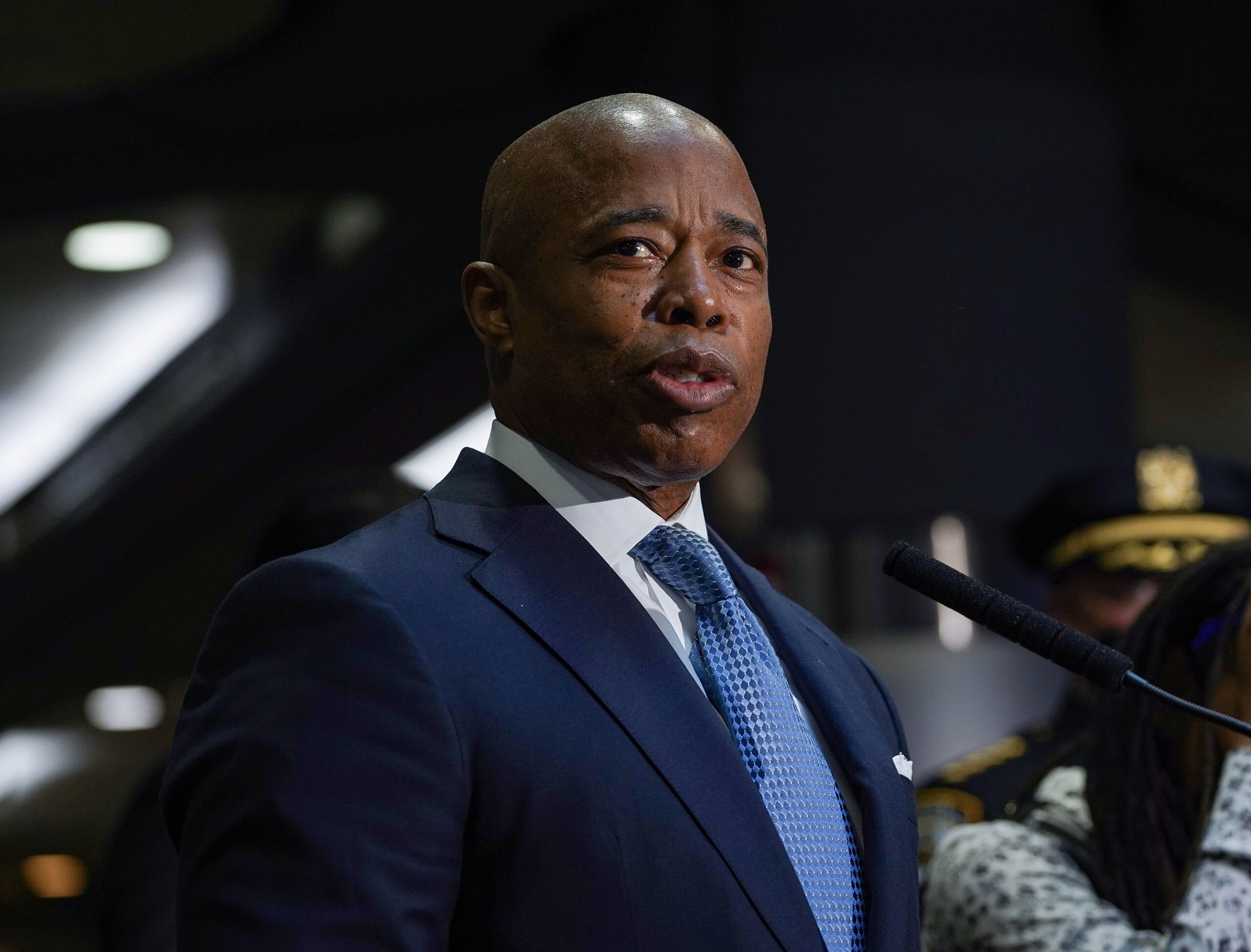
New York City Mayor Eric Adams is moving to shape next year’s rent-setting process in a way that could complicate Mayor-elect Zohran Mamdani’s plan to freeze rent-stabilized rents in 2026, according to the mayor’s office.
Adams, whose term ends at the close of the year, is appointing two new members and reappointing two current members to the city’s Rent Guidelines Board (RGB), the nine-member panel that votes annually on allowable rent increases for the city’s more than one million rent-stabilized apartments. The appointments took effect Thursday, following what the mayor’s office described as a months-long search for board members before Adams leaves office.
With Adams’s four appointees serving next year—and with another returning board member who has publicly opposed a rent freeze—five of the board’s nine members are expected to favor a rent increase for 2026, potentially undercutting one of Mamdani’s signature campaign pledges.
Mamdani, a Democrat whose affordability platform included a four-year rent freeze, rejected the idea that late-term appointments would derail his plan. “We are just as committed to a four year rent freeze for the more than two million rent-stabilized tenants,” Mamdani said in a statement. “We will use all the tools at our disposal to deliver it and last minute appointments do not change these facts.”
However, removing sitting RGB members would be difficult. While the mayor has the authority to fire a rent board member, no mayor has done so, and any attempt would likely require showing cause and could invite legal challenges.
Adams defended his selections and framed the board’s role as a data-driven stewardship of the housing system. “I am confident they will serve as responsible stewards of our city’s housing stock, using facts and data to reach the right decision,” Adams said of his appointed board members.
The dispute lands amid intense pressure in the city’s rental market. The median rent for a New York City one-bedroom reached $4,300 in November, according to Zumper, and a poll by Data for Progress in April found 78% of New Yorkers supported a rent freeze. Mamdani has argued that the underlying housing data has supported a freeze for years.
Landlords and lenders, meanwhile, have warned that a freeze would worsen an already stressed segment of the housing stock. Owners point to cost increases—particularly for energy and insurance—and high debt loads taken on during the low-rate period of the pandemic, which became harder to service after interest rates rose.
The RGB’s votes have recently landed in the low single digits. In July, the board approved a 3% increase for one-year leases and a 4.5% increase for two-year leases in a 5-4 vote. Adams said afterward he wanted more restrictive caps, and since the pandemic the board has generally approved increases in the 2% to 5% range.
While the RGB is formally independent and the mayor does not directly dictate its vote, mayors typically appoint members aligned with their broader approach to rent regulation. Tenant-aligned members often cite landlord income growth as justification for tighter limits, while landlord-aligned members argue rising operating costs require higher allowable increases.
Adams’s expected five-member bloc next year will include new appointees Sagar Sharma, a lawyer for low-income New Yorkers, and Lliam Finn, a financial adviser at Merrill Lynch, along with continuing members Arpit Gupta, Christina Smyth, and Alex Armlovich. Gupta, Smyth, and Armlovich have publicly opposed a rent freeze unless other policies reduce landlord costs, such as changes to property taxes or insurance expenses. Sharma and Finn have not publicly come out against a freeze in the material provided, but the article states they align with Adams’s general approach.
Mamdani will have a clearer path to reshaping the board later: at the end of next year, all five Adams appointees’ terms will be up, allowing Mamdani to select replacements and potentially pursue a rent freeze starting in 2027 and extending beyond.