Lifestyle
Older Adults Can Get Hypothermia Indoors. Early Signs to Watch For as Temperatures Drop
By Mike Harper · October 24, 2026
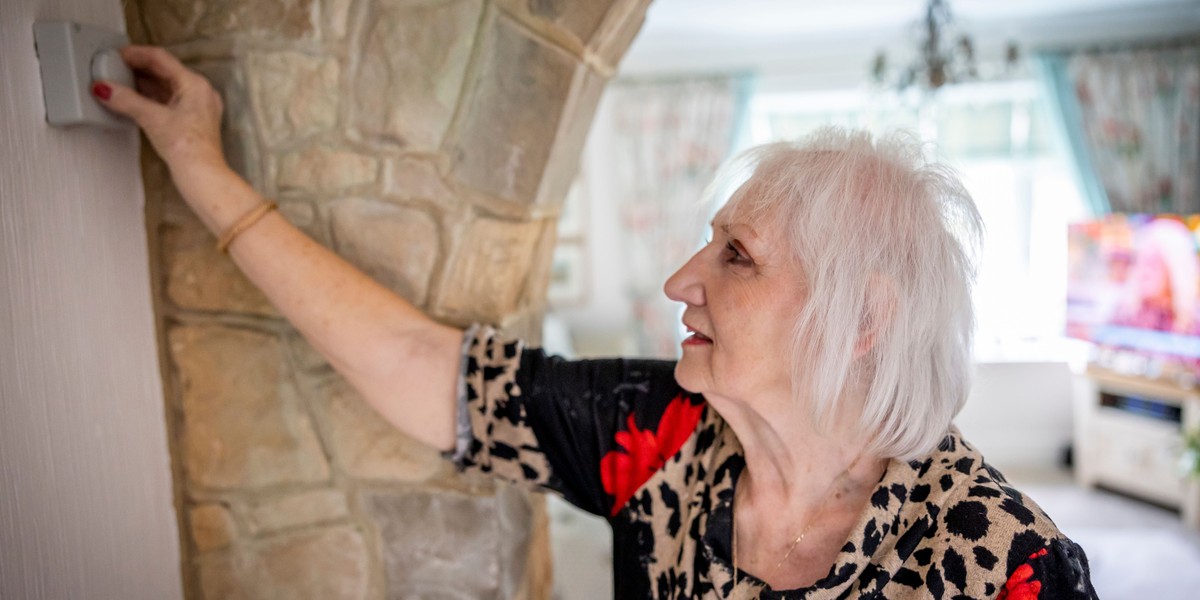
Most people picture hypothermia striking a hiker lost in the snow. For older adults, it can happen in a living room. The National Institute on Aging says that about 20% of injuries related to exposure to cold occur in the home, and that even mildly cool homes, from 60 to 65 degrees, can lead to hypothermia in older adults.
Hypothermia occurs when the body’s core temperature drops below 95 degrees. NIA says it can lead to serious problems such as an irregular heartbeat, heart failure, and damage to the kidneys or liver. Changes that come with aging can make it harder to notice the body getting too cold, the agency says, and the danger can build quickly.
That is part of what makes it so hard to catch. MedlinePlus says hypothermia happens gradually and affects your thinking, so you may not realize you need help. That is why it helps for family members and neighbors to know the signs too.
These are the early warning signs listed by NIA.
Cold hands and feet. Hands and feet that stay cold in a chilly house are one of the early clues on NIA’s list.
A puffy or swollen face. It is an easy one to overlook, and NIA lists it among the early symptoms.
Pale skin. MedlinePlus describes pale and cold skin.
Shivering or shaking. Do not count on it, though. The MedlinePlus medical encyclopedia notes that at extremely low body temperatures, shivering may stop.
Slowed or slurred speech. Listen for words that come out thick or slow, especially in someone who lives alone.
Sleepiness, anger or confusion. NIA lists feeling sleepy, angry or confused. MedlinePlus adds weakness and a loss of coordination.
If the cold continues, NIA says later signs can include stiff and jerky arm and leg movements, slow heartbeat or breathing, and loss of consciousness.
Some health conditions raise the risk. NIA says diabetes can keep blood from flowing normally to provide warmth, and thyroid problems can affect the body’s ability to hold a normal temperature. Parkinson’s disease and arthritis can make it hard to put on more clothes or pull up a blanket, and memory problems can cause a person to forget to dress warmly. Some prescription and over-the-counter medicines, including some cold medicines, can affect body heat, so NIA suggests asking your doctor about yours.
Treat it as an emergency. NIA says to call 911 right away if someone shows signs of hypothermia. While you wait, move the person to a warmer place, wrap them in dry blankets, towels or coats, and offer a warm drink. MedlinePlus advises warm, sweetened, nonalcoholic fluids only if the person is alert and can swallow easily, and says not to use direct heat such as hot water, a heating pad or a heat lamp.
Simple steps at home help. NIA recommends setting the heat to at least 68 degrees, placing a rolled towel in front of doors to block drafts, and keeping blinds and curtains closed. Wear socks, slippers and layers on cold days, use extra covers and long underwear at night, and eat enough to maintain your weight. Limit alcohol, which can make you lose body heat, and ask someone to check on you during cold snaps. If heating bills are a strain, NIA points to the National Energy Assistance Referral line at 866-674-6327 for information on the Low Income Home Energy Assistance Program.
This article is for general information and is not medical advice. Call 911 if you think someone has hypothermia, and ask your doctor whether your medicines affect body heat. This article was produced with the assistance of AI and fact-checked against the sources cited by LightWave Reports.