Lifestyle
She’d Been on a Senior Apartment Waitlist for 4 Years and Was Told to Expect 7. Then She Spotted a New Building Going Up: “I Better Get My Name on That”
By Curtis Jones · November 11, 2026
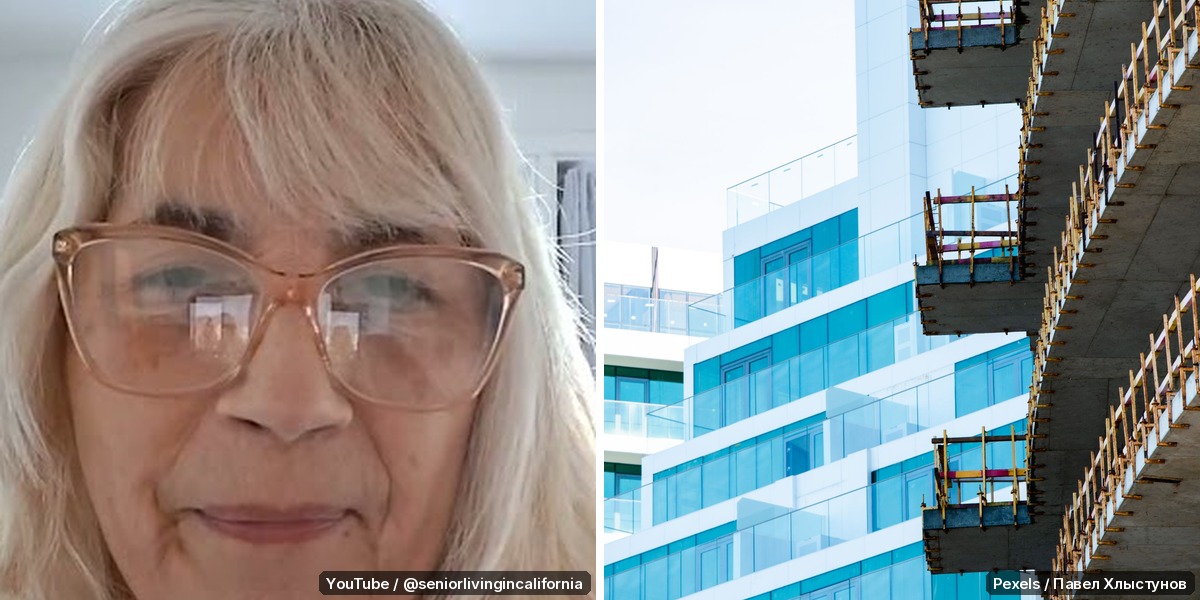
A woman in Northern California was out one day when she noticed a building going up in her town, north of Sacramento. She thought it might be a hotel, or maybe apartments. So she walked over to the construction fence to find out.
“It said affordable senior housing,” she said in a video she posted in March on her YouTube channel, Senior living in California. “And I’m like, okay, I better get my name on that.”
She had a reason to move fast. She says she had already been on the waiting list at another senior apartment complex for about four years, and the people there told her it would take about seven years before she got a unit. In the meantime, she was living with a roommate.
So she signed up for the new place too. When it was finished, she says, she was one of the first to move in.
“It was my happiest day ever being on my own again, not a roommate anymore,” she said.
Her video is a simple tour of the one bedroom apartment. She shows off the tall windows, a balcony she did not expect when she signed up, a lemon tree she started from a seed, and a white kitchen with a dishwasher she has never used because she washes her dishes by hand. You can see it all in her video on YouTube.
She also explains who can live there. Residents in her building have to be 55 or older, she says, and the income limit there is 60,000 dollars a year. That is her building’s rule, not a national standard. Income limits for affordable housing vary by program and by area.
Then she shared the twist. The first complex, the one that had told her to expect a long wait, finally called her last year with an opening. She told them it was too late because she already had a place.
“So it took 6 years to get an apartment, an affordable apartment,” she said.
Her experience lines up with what housing groups report. In its 2026 Advocates’ Guide, the National Low Income Housing Coalition published a chapter by LeadingAge noting that waiting lists for Section 202 communities, the federal program for very low income older adults, are often two to seven or more years long. The same chapter cites HUD’s 2023 report to Congress on worst case housing needs, finding more than 2.35 million very low income older renter households in that category, meaning they earn under half the local median income and spend more than half of it on rent.
Cost is a strain even for people who are not on a list. The National Council on Aging, citing Harvard’s Joint Center for Housing Studies, reports that 58 percent of older renters were cost burdened in 2023.
If you are looking for affordable senior housing, her story points to a few practical steps.
Get on more than one list. Waiting lists are kept by each property, and NCOA notes that to apply for Section 202 housing you contact the owner or manager of the property directly, because HUD does not run the rentals.
Watch for new buildings. A property that is still under construction may be taking names before it opens, as hers was.
Ask for help finding options. NCOA suggests contacting your local public housing agency or your Area Agency on Aging, which you can find through the Eldercare Locator.
Keep your contact information current with every property, so you do not miss the call when your name comes up.
This article is for general information and is not financial advice. Details of her building’s age and income rules are her own account and may not apply elsewhere. This article was produced with the assistance of AI and fact-checked against the sources cited by LightWave Reports.