Lifestyle
West Nile Virus Has Made 1,471 Americans Sick This Year. See Which States Have the Most Cases
By Curtis Jones · October 23, 2026
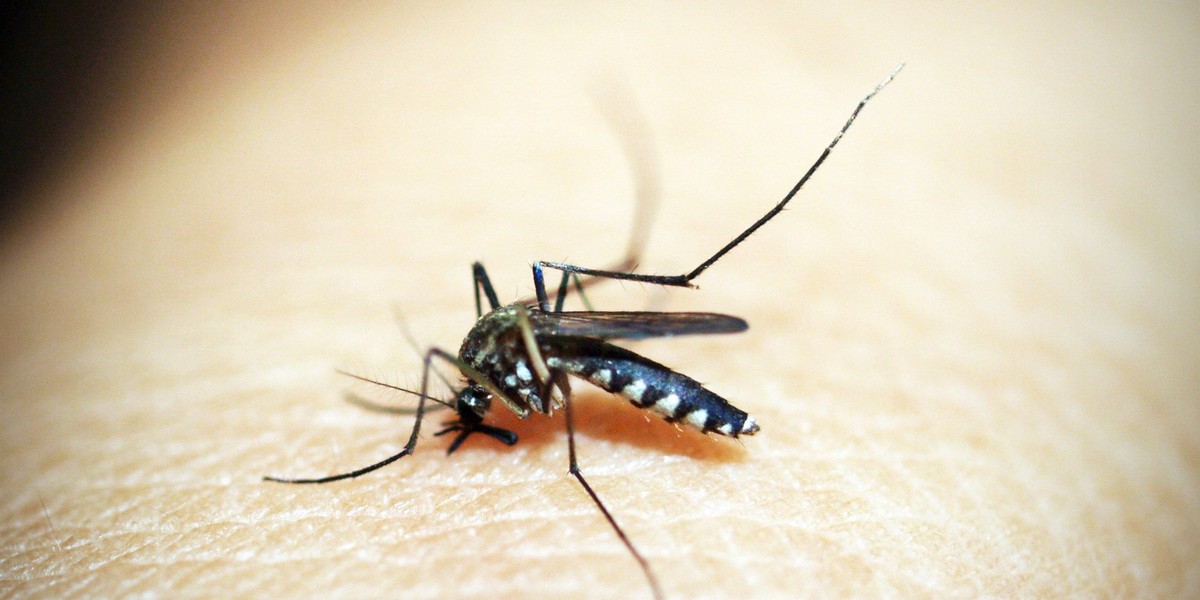
West Nile virus usually fades from the news after Labor Day, but this year’s season is still adding cases. As of October 20, health departments had reported 1,471 human cases and 88 deaths to the CDC for 2026, according to the agency’s latest provisional ArboNET update. Of those cases, 1,124 were neuroinvasive, meaning the virus reached the brain or spinal cord.
That severe count is climbing fast. Healthbeat reported on October 13 that more than 880 people had developed the neuroinvasive form so far this year, and CDC officials told the outlet that severe cases were tracking above the 10-year average and that deaths appeared to be up as well. “The West Nile virus season is not over,” the agency said.
Here are the states with the most cases in the CDC’s October 20 table, with deaths in parentheses: California 378 (23), Arizona 101 (12), Texas 83 (4), Illinois 70 (9), Colorado 67 (4), New York 65 (5), Nebraska 58 (1), South Dakota 58 (0), North Dakota 56 (3) and Utah 48 (2). Pennsylvania (33), Michigan (30), Georgia (29) and South Carolina (28) come next.
In all, 44 states and the District of Columbia have reported at least one case. Alaska, Hawaii, Maine, Oregon, Vermont and West Virginia had none in the table as of October 20.
A few cautions about those numbers. The CDC says on its current year data page that the figures are preliminary, that mild cases are much more likely to go uncounted, that cases are listed by where a person lives rather than where they were bitten, and that state health departments may have newer counts than the federal tally. California’s own health department, for example, had counted 298 cases by October 9, far above the state’s five-year average of 97, according to Healthbeat.
Why this matters more after 60. Most people who are infected never feel sick. Healthbeat, citing the CDC, reports that about 80 percent of infected people have no illness, and about 1 in 150 develop severe disease affecting the nervous system. Age is the biggest risk factor for that outcome: people 60 to 69 are twice as likely as younger adults to be hospitalized, and people 70 and older are more than six times as likely. MedlinePlus also lists cancer, diabetes, high blood pressure, kidney disease and organ transplants as conditions that raise the risk of serious illness.
People taking certain drugs that suppress the immune system should be especially careful. In August the CDC warned that B cell depleting medications, especially anti-CD20 monoclonal antibodies used for some cancers, autoimmune diseases and transplant care, can raise the risk of severe disease and can interfere with West Nile testing, Healthbeat reported.
Symptoms to know. MedlinePlus lists fever, headache, body aches, vomiting, diarrhea and rash as the milder signs. Weakness or fatigue can linger for weeks or months. Serious signs include high fever, headache, a stiff neck, numbness, muscle weakness, vision loss and, in the worst cases, coma. There is no vaccine and no specific treatment, so anyone with those serious symptoms after mosquito bites should get medical care quickly.
What to do this fall. Infections keep happening as long as mosquitoes are active. MedlinePlus advises using DEET or another EPA registered repellent, wearing long sleeves and pants outdoors, emptying standing water from flowerpots, buckets and barrels, using screens on windows and staying indoors between dusk and dawn, when mosquitoes are most active.
This article is for general information and is not medical advice. Talk with your doctor about symptoms or medications that affect your immune system. This article was produced with the assistance of AI and fact-checked against the sources cited by LightWave Reports.