Lifestyle
What Happens to Your Skin After 50 That Most People Don’t Realize
By Erica Coleman · October 16, 2026
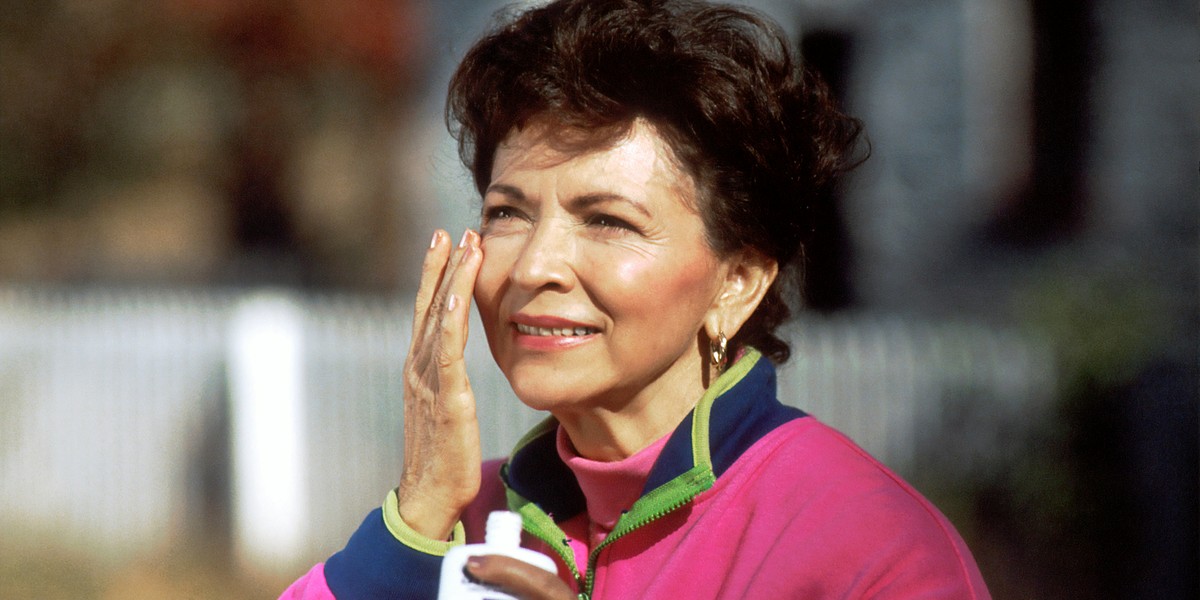
Wrinkles are the change everyone expects. Fewer people expect a bruise from brushing against a cabinet, or a scrape on the shin that seems to take forever to close. Those are part of aging skin too.
Some of it is time and some of it is the sun. MedlinePlus, from the National Library of Medicine, says the greatest single factor is sun exposure, which you can see by comparing your forearms with skin that rarely sees daylight. Here is what changes after 50 that most people don’t realize.
Skin gets thinner. The National Institute on Aging (NIA) says that with age, the outer layer of the skin gets thinner, paler, and less stretchy, and blood vessels get more fragile, so older adults bruise more easily. For women, menopause speeds this up. The American Academy of Dermatology (AAD) explains that as estrogen levels fall, skin becomes thinner, and thin skin bruises more easily. The NIA advises telling your doctor about bruises you can’t explain, especially on parts of the body clothing usually covers.
Collagen drops off fast. This is the part that surprises people. According to the AAD, studies show women’s skin loses about 30% of its collagen during the first five years of menopause, followed by about 2% a year for the next 20 years. That loss is what brings on jowls and the lines running from nose to mouth.
Less oil, more itch. MedlinePlus says women gradually produce less oil beginning after menopause, while men see a minimal decrease, most often after 80. The NIA notes that dry patches often show up on the lower legs, elbows and lower arms. Hot baths and showers make it worse. The AAD suggests warm water, short baths and keeping indoor humidity between 45% and 60% to cut down on dry, itchy skin.
Cuts heal slower. Older skin repairs itself more slowly, and MedlinePlus says wound healing may be up to 4 times slower. Diabetes and circulation problems can slow it further. A small scrape on the shin deserves more care than it did at 30.
Your built-in insulation thins. The fat layer under the skin shrinks with age. MedlinePlus says that reduces your ability to maintain body temperature and raises the risk of hypothermia in cold weather. Sweat glands also make less sweat, so overheating and heat stroke become more likely. Some medicines are absorbed by that fat layer as well, and MedlinePlus notes the shrinkage may change how they work.
Skin cancer risk climbs. The AAD says that around 50 years of age, your risk of developing skin cancer and pre-cancerous growths increases, and it keeps rising. The NIA recommends checking your skin each month for a new growth, a sore that doesn’t heal or a bleeding mole. One more catch from the AAD: skin cancer can look like an age spot, so using an age-spot treatment on skin cancer may fade the spot and delay treatment. Have a dermatologist look first.
Sun protection still pays off at this age. The AAD recommends a broad-spectrum sunscreen with SPF 30 or higher every day, even in winter, and gentle fragrance-free products. Be wary of creams that promise to erase wrinkles. The NIA points out that many anti-aging products are cosmetics, so they are not required to be tested in humans, nor do they need approval from the U.S. Food and Drug Administration before they are sold.
This article is for general information and is not medical advice. If you notice a new or changing spot, bruising you can’t explain, or dryness that won’t settle down, talk with your doctor or a board-certified dermatologist.