Lifestyle
What the Lancet Commission Says About Hearing Loss and Dementia — and Why Most People Ignore It
By Mike Harper · September 15, 2026
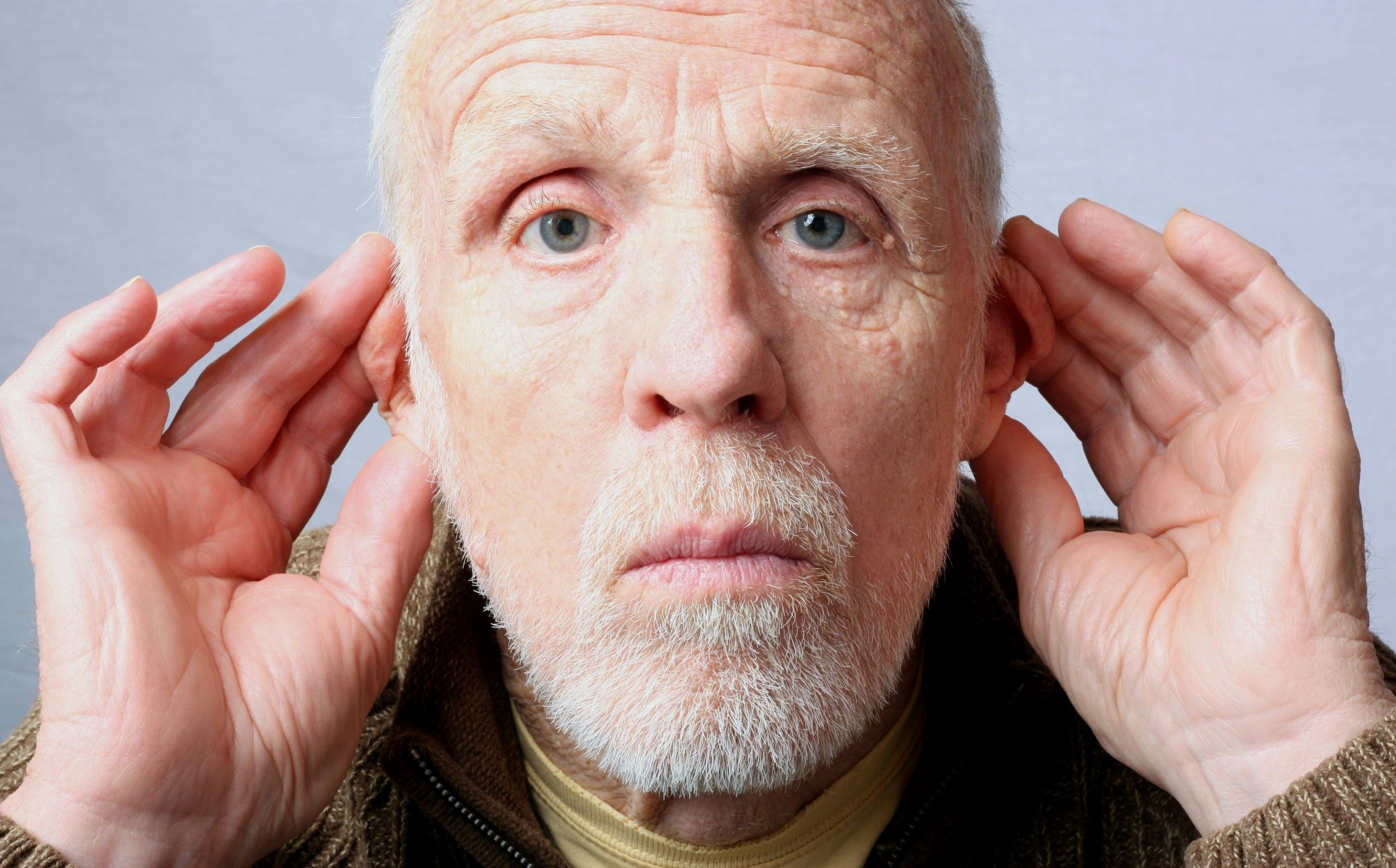
You’ve been turning up the TV for three years. You blame the actors for mumbling. You’ve stopped going to restaurants because you can’t follow conversations. And you have no idea that the hearing you’re losing may be taking your cognitive function with it.
The 2024 Lancet Commission on dementia prevention identified hearing loss as the single largest modifiable risk factor for dementia — larger than smoking, physical inactivity, social isolation, diabetes, or depression. It accounts for more preventable dementia risk than any other factor on the list. And yet most people treat hearing loss as an inconvenience, not a medical condition.
The risk is dose-dependent — worse hearing means higher risk. Research consistently shows that the relationship between hearing loss and cognitive decline is graded: mild hearing loss roughly doubles dementia risk, moderate loss triples it, and severe loss increases it fivefold. The risk begins accumulating in midlife — your 40s and 50s — which means the damage is accruing for decades before most people consider getting their hearing tested.
Your brain is exhausting itself trying to hear. When hearing declines, the brain redirects cognitive resources away from memory, reasoning, and executive function toward the effort of decoding degraded auditory signals. Every conversation, every phone call, every social interaction requires more mental processing power than it should. Over years, this cognitive overload leaves fewer resources for the higher-order functions that keep your brain sharp. You’re not just straining to hear. You’re draining the systems your brain needs for everything else.
Hearing loss leads to social isolation — which has its own dementia risk. When hearing conversations becomes exhausting, people withdraw. They skip the dinner party. They avoid the phone call. They stop participating in the group activities that kept their brain engaged. Social isolation is itself a documented dementia risk factor, and hearing loss is one of the most common pathways into it. The withdrawal feels like a preference. It’s actually a consequence.
The brain regions that process sound begin to atrophy. Neuroimaging studies have shown that untreated hearing loss is associated with accelerated brain volume loss in areas responsible for auditory processing, memory, and speech comprehension. The auditory cortex, which processes sound, and the temporal lobe, which stores and retrieves memories, are structurally connected. When auditory input diminishes, the tissue that processes it shrinks — and the neighboring memory structures are affected.
Hearing aids may slow cognitive decline — and a clinical trial supports it. The ACHIEVE trial — a landmark randomized controlled study — found that hearing intervention in older adults at elevated dementia risk reduced cognitive decline by 48% over three years compared to a health education control group. The study was not definitive for all populations, but it provided the strongest evidence to date that treating hearing loss isn’t just about hearing better. It may be about thinking better — for longer.
The average person waits seven to ten years between first noticing hearing loss and getting a hearing aid. Every one of those years is a year the brain is compensating, the social connections are fraying, and the cognitive reserve is being depleted. A hearing test takes 30 minutes. Over-the-counter hearing aids start at $200. The most modifiable risk factor for the disease everyone over 50 is afraid of is the one most people refuse to address — because they’d rather turn up the TV.