Lifestyle
Where Costco’s $4.99 Rotisserie Chicken Comes From, and What Happens to the Ones That Don’t Sell
By Erica Coleman · October 23, 2026
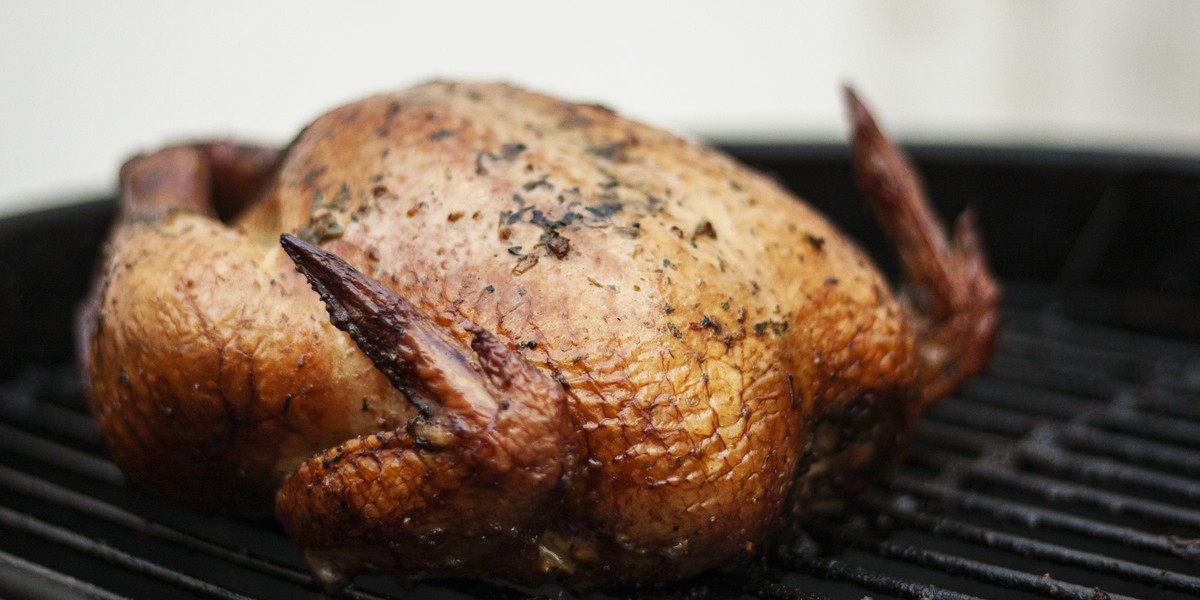
Few grocery items have a following like the rotisserie chicken waiting at the back of Costco warehouses. The company sold more than 157 million of them in its 2025 fiscal year, chief financial officer Gary Millerchip told investors on the company’s fourth quarter earnings call. The price has stayed at $4.99 since 2009, the Financial Times reported in a story republished by the Financial Post.
So where do all those birds come from? Part of the answer is a chicken operation Costco owns itself.
Costco built its own poultry complex in Nebraska. In its 2025 Sustainability Report, Costco says the facility in Fremont, Nebraska, helps it meet demand for Kirkland Signature rotisserie chickens and other poultry, and is run by Lincoln Premium Poultry, a wholly owned Costco subsidiary. An earlier Costco Kirkland Signature report describes a complex of about 430 acres with a feed mill, hatchery, processing plant and testing laboratory.
The plant doesn’t supply every chicken. According to the Financial Times, the Nebraska plant, which began operating in 2019, processes about 2 million birds a week and covers about a third of chicken sales at Costco’s U.S. stores. Other suppliers provide the rest. Only part of the plant’s output becomes rotisserie chicken; it also cuts breasts, thighs and other pieces for the meat case.
Local farms raise the birds. Costco’s earlier report says about 100 farm families grow the chickens under 15 year contracts, and Lincoln Premium Poultry supplies the chicks, feed and veterinary services. The FT counted about 500 barns in eastern Nebraska and western Iowa within 90 miles of the plant. The 2025 report adds that most of the corn and soybean meal for the feed comes from cropland within 100 miles.
The chickens are air chilled. Costco says the plant cools birds with air instead of the more common water bath, which saves water and, by keeping the meat from absorbing water, can improve flavor and texture.
Unsold chickens don’t go to waste. Costco’s 2025 report says unsold rotisserie chickens are made into deli items such as chicken noodle soup, pot pies, enchiladas and fajita quesadillas, with the lineup changing over time and by location. Grease from the rotisserie chickens is converted into biofuel.
The bag is newer, too. Costco swapped the old two piece plastic dome for a plastic bag in the United States and Mexico in its 2024 fiscal year, a change the company says cut 15.1 million pounds of plastic in the first year.
Why it stays so cheap. Costco has long treated the chicken as a draw. Former finance chief Richard Galanti said in 2015 that the company was willing to give up $30 million to $40 million a year in gross margin to keep it at $4.99, the FT reported.
Bringing one home. A whole hot chicken is a lot of food for one or two people. The USDA’s Food Safety and Inspection Service says cooked food should be refrigerated within 2 hours (1 hour above 90 degrees), and cutting large items into smaller portions helps them cool faster. Leftovers keep 3 to 4 days in the refrigerator or 3 to 4 months in the freezer, and should be reheated to 165 degrees. Pulling the meat off the bones the night you buy it makes the rest of the week’s soups and sandwiches easy.
This article is for general information. Store practices and prices can vary by location and change over time. This article was produced with the assistance of AI and fact-checked against the sources cited by LightWave Reports.