Politics
18 Million Children Could Lose Free School Meals This Fall After Congress Changed the Rules
By Mike Harper · August 7, 2026
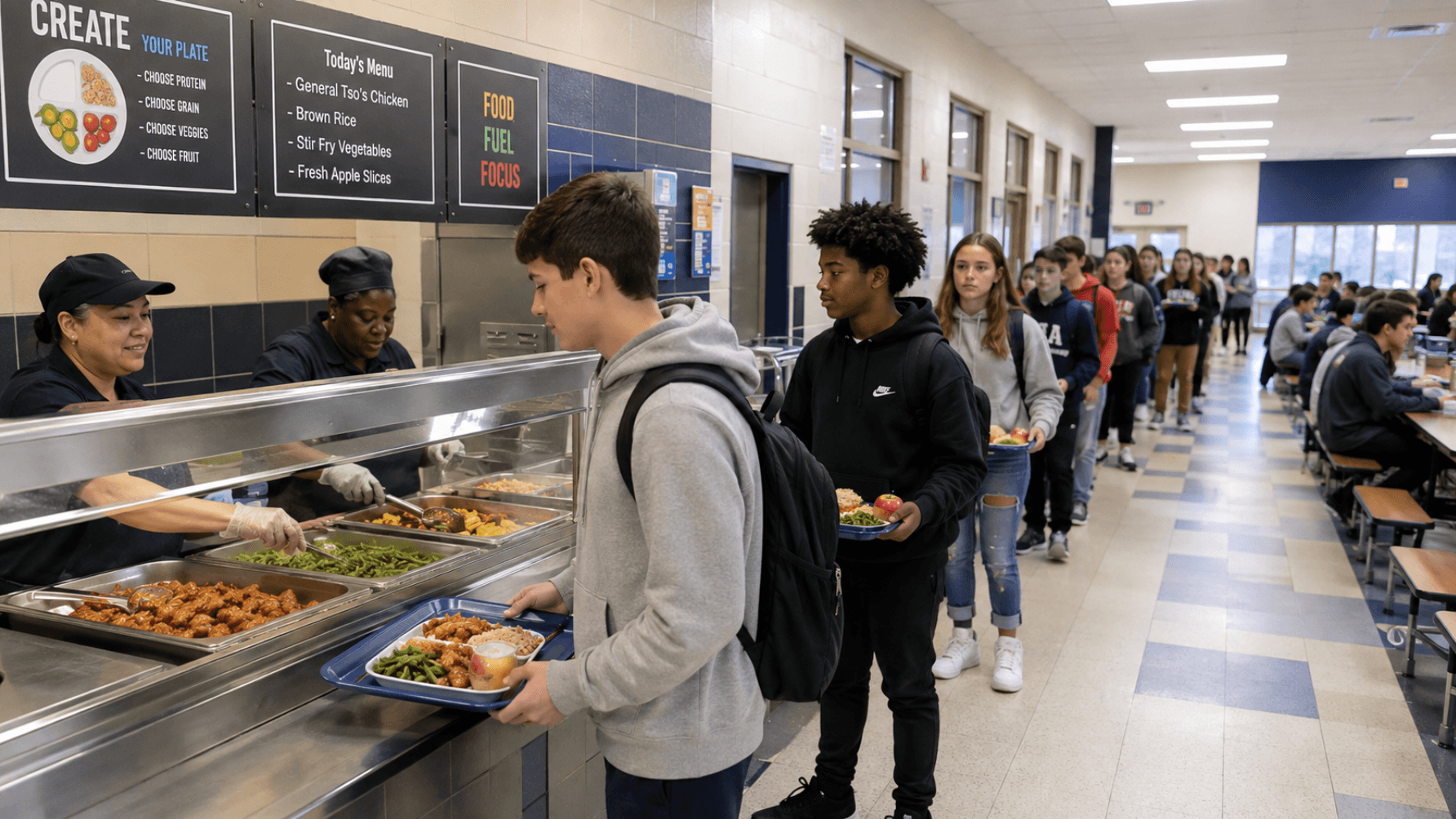
Miami-Dade just announced it can no longer feed every student for free. Across the country, 18 million more could be next.
Roughly 18.3 million students across the United States could lose access to free school meals this academic year after changes to the Supplemental Nutrition Assistance Program reduced the number of families automatically enrolled in programs that allow schools to serve breakfast and lunch at no cost to every student.
A typical family with two children in school could face $2,200 in additional food costs this year without free meals, according to the Center for American Progress.
The problem is mechanical. Under the Community Eligibility Provision — created by the 2010 Healthy, Hunger-Free Kids Act — schools in high-poverty areas can serve free meals to all students without requiring individual applications if at least 25% of their students are enrolled in programs like SNAP or Medicaid. When fewer families are enrolled in SNAP, fewer students are automatically counted as eligible, and entire schools lose qualification for the program.
That’s exactly what’s happening. SNAP enrollment has declined sharply since the One Big Beautiful Bill Act became law in July 2025. In Florida alone, SNAP participation has dropped nearly 20%, according to an analysis by the Center on Budget and Policy Priorities. The decline isn’t because fewer families need food assistance — it’s because the law tightened eligibility requirements, shortened recertification windows, and eliminated broad-based categorical eligibility in some states.
The first major district to feel the impact was Miami-Dade. On July 23, the school district announced that 121 of its roughly 400 schools will continue qualifying for universal free meals. The rest will not. After a 30-day grace period, school lunches will cost $4.20 per child.
“If families are losing not just SNAP but also that connection to free meals at school, then many of them are going to be facing some really tough choices where they’re choosing between buying groceries and paying for other essential needs, like rent or medication or paying a utility bill.” Crystal FitzSimons, director of school programs at the Food Research & Action Center, said.
The Urban Institute estimated that the SNAP changes could affect more than 18 million students enrolled in schools that currently qualify for CEP — not because those students individually lose eligibility, but because declining SNAP enrollment pushes their schools below the 25% threshold. Once a school loses qualification, every student at that school loses free meals — including families who would have qualified individually.
Students who lose automatic enrollment can still apply for free or reduced-price meals through the traditional household application process. But applications require documentation, create administrative burdens for schools, and carry stigma that discourages participation — which is exactly why the universal program was created in the first place.
Schools are reopening in weeks. The paperwork isn’t done. And 18 million children are heading back to buildings where the meal program their families counted on may no longer exist.