Lifestyle
5 Signs of Arthritis Most People Mistake for Normal Joint Stiffness
By Curtis Jones · August 20, 2026
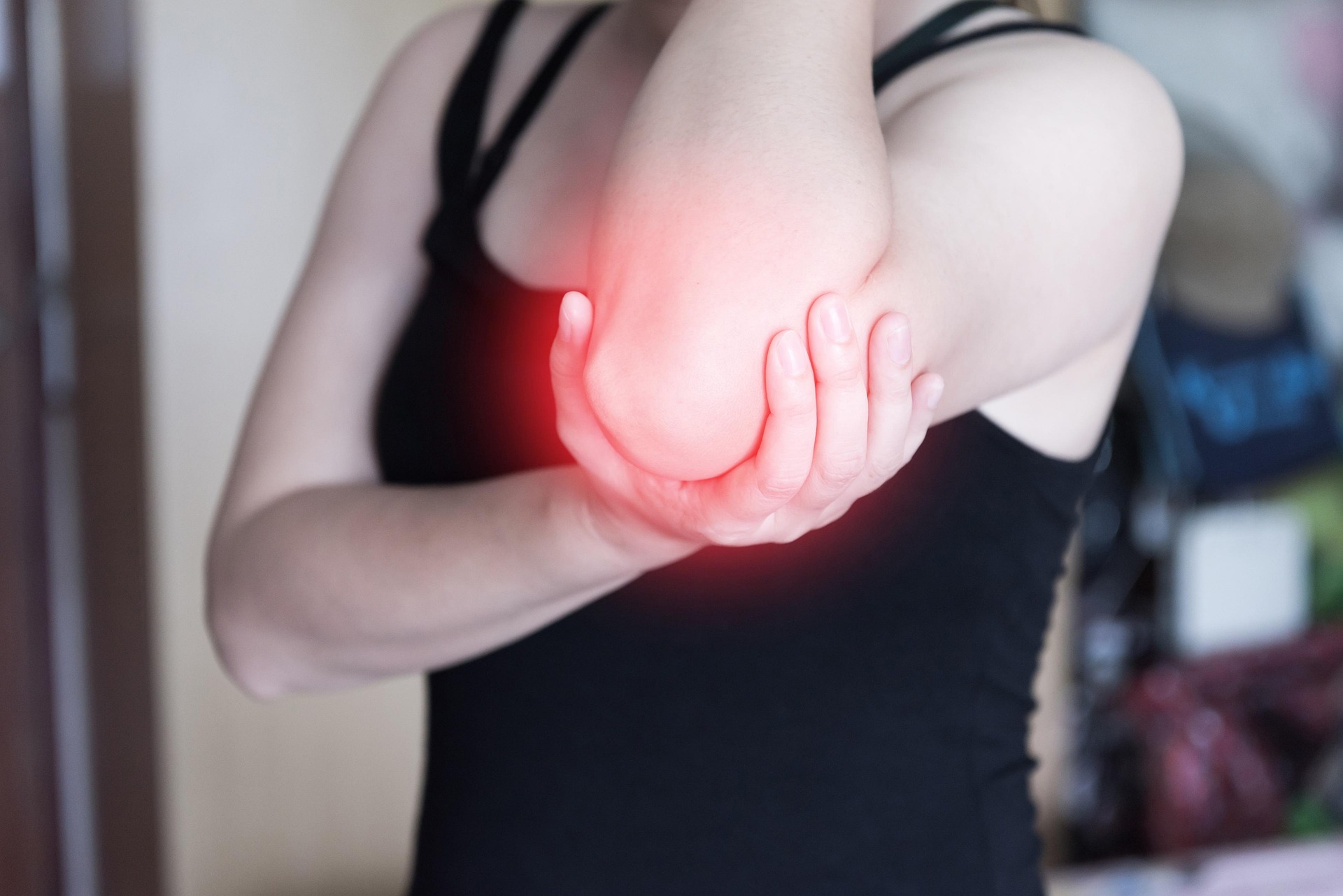
Your knees are stiff in the morning. Your fingers ache when it rains. You assumed this is what getting older feels like. For 54 million Americans, it’s a diagnosable condition with treatments that could have started years earlier.
Arthritis is the leading cause of disability in the United States, and nearly half of adults over 65 have been diagnosed with some form of it. But millions more live with symptoms they’ve never had evaluated — because they believe joint pain after 50 is inevitable, untreatable, and not worth mentioning to a doctor.
Morning stiffness that lasts more than 30 minutes. Everyone’s joints feel a little stiff after sleeping. But stiffness lasting more than 30 minutes after waking is one of the clearest clinical markers for inflammatory arthritis — particularly rheumatoid arthritis. Normal age-related stiffness eases within minutes of moving. Arthritis-related stiffness persists because the joint lining is inflamed, not just inactive.
The same joints hurt on both sides of your body. Osteoarthritis — the wear-and-tear type — tends to affect joints asymmetrically: one knee worse than the other, one hip but not both. Rheumatoid arthritis typically presents symmetrically — both wrists, both hands, both knees. If the same joint on both sides of your body is swollen, stiff, or painful, the pattern suggests an autoimmune process, not mechanical wear.
Your joints are swollen, warm, or red. Normal age-related aches don’t produce visible swelling. A joint that’s puffy, warm to the touch, or reddened is inflamed — and inflammation is the engine of arthritis, not a byproduct. If you can see or feel the swelling, the joint needs evaluation regardless of your age or activity level.
The pain gets worse with rest, not with activity. Muscle soreness improves with rest and worsens with use. Inflammatory arthritis follows the opposite pattern — the pain and stiffness are worst after inactivity (sitting for a long meeting, sleeping, watching television) and improve with gentle movement. If your joints feel worse after you’ve been still and better after you’ve been moving, the mechanism is inflammation.
Your grip strength is declining. Difficulty opening jars, turning door handles, or gripping a steering wheel with the same strength you used to have is one of the earliest functional signs of hand arthritis. Many people attribute weakening grip to aging or reduced activity when it’s actually joint inflammation reducing the hand’s mechanical capacity. If your grip has changed and the change doesn’t respond to hand exercises, the joints themselves may be the problem.
Early treatment of inflammatory arthritis with disease-modifying drugs can slow or halt joint damage that would otherwise be irreversible. Even osteoarthritis — which can’t be reversed — responds to physical therapy, weight management, and joint-specific interventions that improve function and reduce pain. The cost of assuming your joints are “just getting old” is measured in damage that accumulates every year treatment is delayed.