Lifestyle
5 Signs of Pelvic Floor Dysfunction Most Women Dismiss as Normal
By Erica Coleman · August 28, 2026
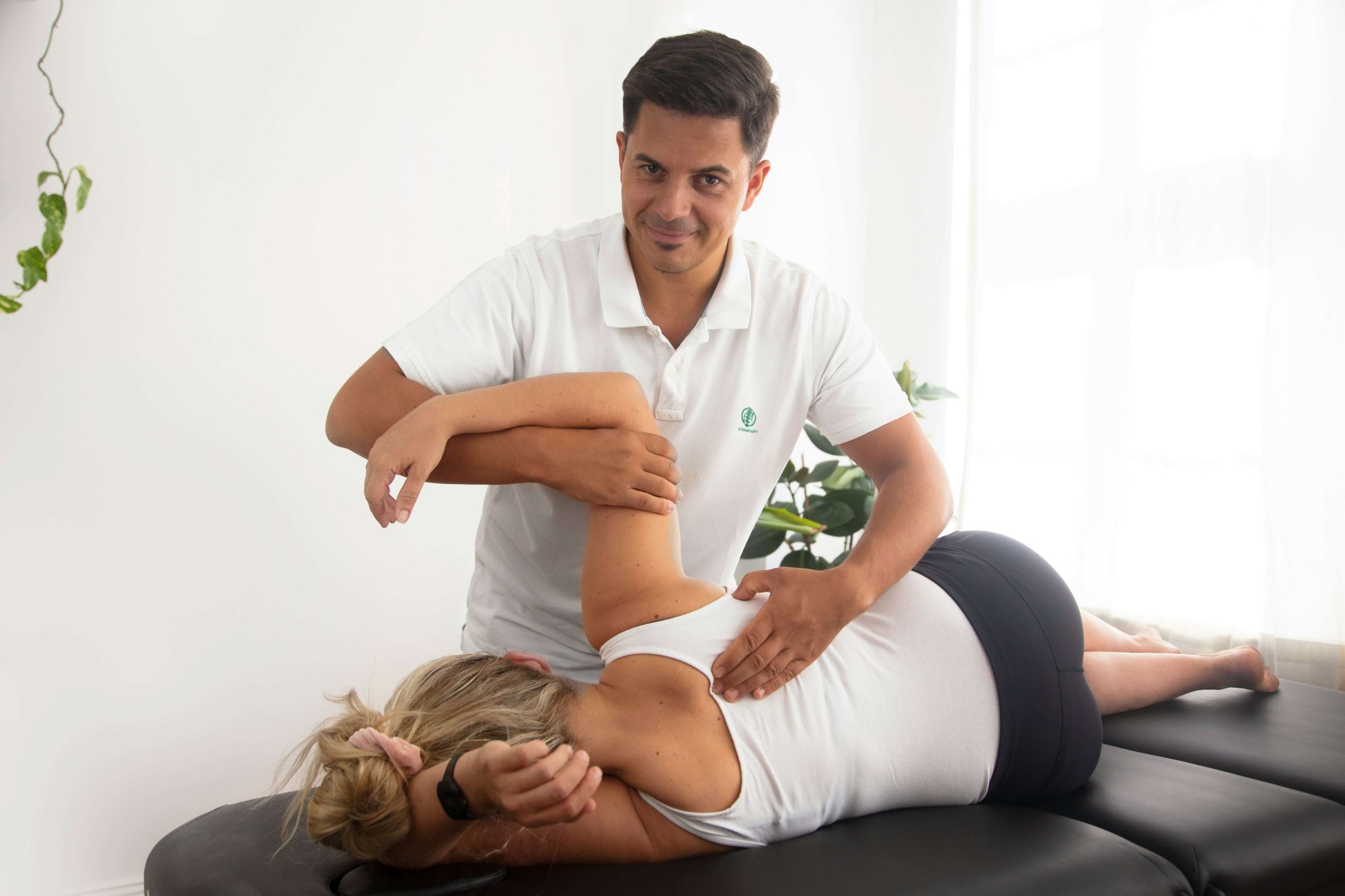
You leak when you sneeze. You assumed that’s just what happens after having children. It isn’t. It’s a medical condition that affects roughly one in three women — and it has a treatment most of them have never been offered.
Pelvic floor dysfunction occurs when the muscles supporting the bladder, uterus, and rectum weaken or lose coordination. It’s so common among women over 40 — and so normalized by the culture around it — that most women never mention it to their doctor. The symptoms are attributed to childbirth, menopause, or “just getting older.” None of those are acceptable reasons to live with a treatable condition.
You leak urine when you cough, sneeze, laugh, or exercise. Stress urinary incontinence — leaking during physical activity or sudden pressure changes — is the most common pelvic floor symptom and the one women are most likely to accept as permanent. It is not. Pelvic floor physical therapy resolves or significantly improves stress incontinence in the majority of women who complete a course of treatment. The condition is muscular, not inevitable.
You feel pressure or heaviness in your pelvis. A sensation of something “falling” or a heavy pressure in the vaginal area — often worse after standing for long periods or at the end of the day — can indicate pelvic organ prolapse, where the bladder, uterus, or rectum has shifted downward due to weakened support. Many women describe it as sitting on a small ball. It’s surprisingly common — and frequently undiscussed.
You can’t fully empty your bladder or bowels. Incomplete emptying — the feeling that you didn’t finish despite trying — is a functional symptom of pelvic floor muscle dysfunction. The muscles that control release aren’t coordinating properly, which can cause straining, multiple trips to the bathroom, and chronic discomfort. Most women assume it’s a dietary issue or age-related change.
Sex is painful — and it started after childbirth or menopause. Pelvic floor tension or weakness can cause pain during intercourse that many women either endure silently or attribute to hormonal changes. While hormonal factors can contribute — particularly reduced estrogen after menopause — pelvic floor dysfunction is a separate and treatable component. Physical therapy that addresses the muscular cause can significantly reduce or eliminate the pain.
You’ve started planning your life around bathroom access. If you’ve stopped going to movies, avoided long car rides, given up exercise classes, or always scope out the nearest restroom before sitting down, your pelvic floor is controlling your life. The behavioral accommodations people make around incontinence and urgency are so gradual that most women don’t recognize how much they’ve changed until someone asks.
Pelvic floor physical therapy — a specialized form of PT performed by trained therapists — is the first-line treatment recommended by the American College of Obstetricians and Gynecologists. It works for the majority of patients. But most women are never referred because they never bring it up, and their doctor never asks. The condition is common. The silence around it is the problem. And the treatment is a referral away.