Lifestyle
5 Signs You May Have Prediabetes Without Knowing It
By Erica Coleman · July 30, 2026
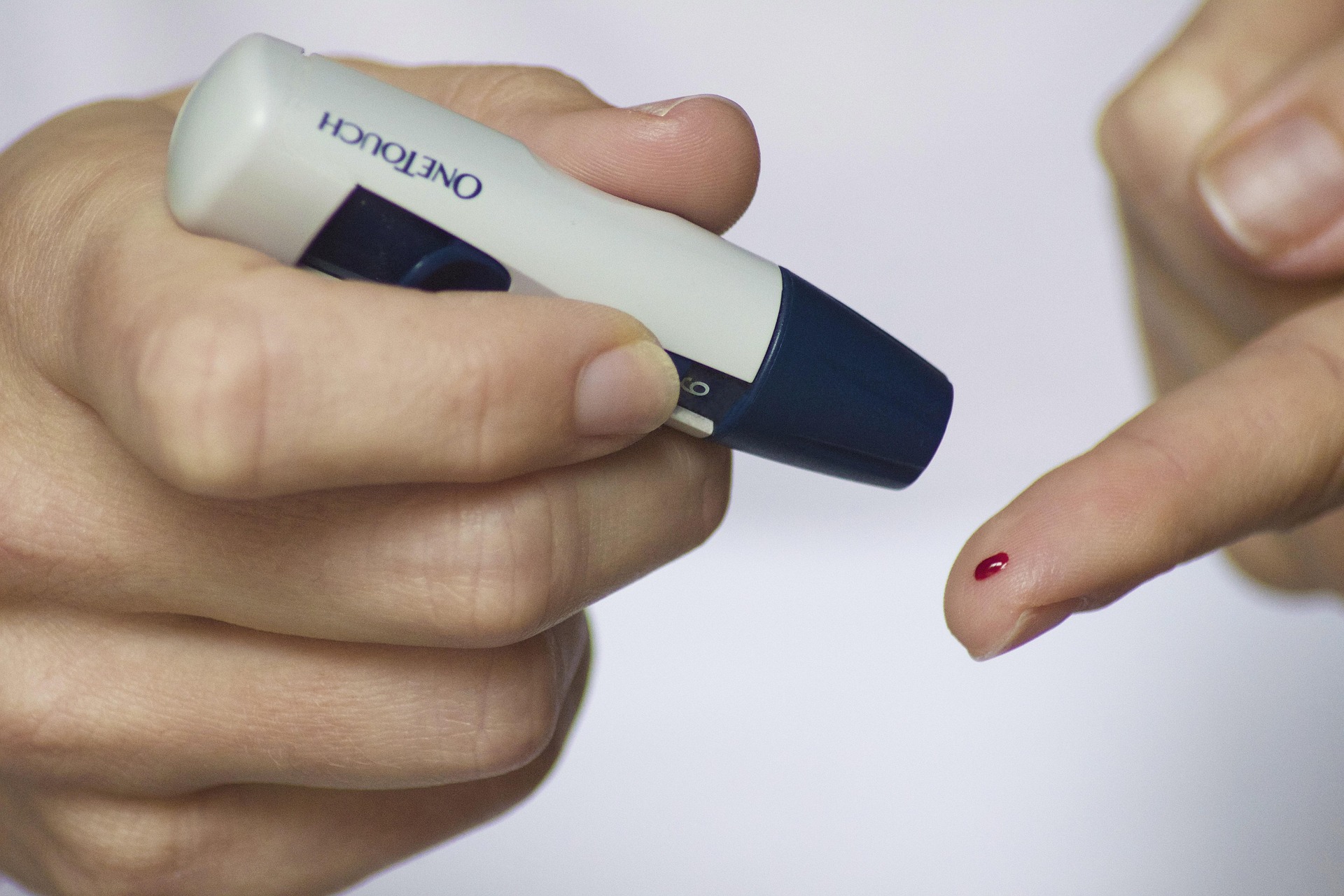
Nearly 100 million Americans have prediabetes. Most of them have no idea.
Type 2 diabetes develops over 10 to 20 years, and long-term physiological damage is already underway before the first obvious symptom appears. The CDC estimates that more than 38 million Americans have diabetes, and roughly one in five don’t know it. Prediabetes — the stage where blood sugar is elevated but not yet at the diagnostic threshold — affects nearly 100 million more. Most don’t know they have it either, because the early signs look like ordinary life.
You’re exhausted after eating. Everyone gets sleepy after a big meal. But crashing hard after ordinary portions — feeling like you need to lie down after lunch, or fighting to stay awake at your desk an hour after breakfast — can signal that your body isn’t processing glucose efficiently. When cells can’t absorb the sugar in your blood, your energy drops even though you just ate. Most people blame it on sleep, stress, or aging. It may be insulin resistance.
You’re making more trips to the bathroom — especially at night. When blood sugar is elevated, your kidneys work harder to filter the excess glucose, which produces more urine. Getting up two or three times a night to use the bathroom, or urinating noticeably more during the day, is one of the earliest signals. The increased urination also triggers excessive thirst — another symptom most people don’t connect to blood sugar.
Cuts and bruises heal slowly. High blood sugar impairs circulation and weakens the immune response, which means wounds that used to close in a few days now linger for weeks. A small cut that takes an unusually long time to heal — especially on the feet or lower legs — is a flag doctors say patients frequently dismiss.
Your vision blurs intermittently. Fluctuating blood sugar levels cause fluid shifts in the lens of the eye, producing blurry vision that comes and goes. It may clear up on its own and return days or weeks later. Because the blurriness isn’t constant, most people assume they need reading glasses rather than a blood test.
You’re hungrier than usual — even after eating enough. When your body can’t efficiently move glucose from your blood into your cells, your cells signal that they need fuel — even though there’s plenty of sugar in your bloodstream. The result is hunger that doesn’t match what you’ve eaten. Eating more doesn’t fix it because the problem isn’t intake — it’s absorption.
The risk factors are well-known: being over 45, carrying extra weight around the midsection, having a family history, and a sedentary lifestyle. But risk factors tell you who to test. Symptoms tell you when. Prediabetes is reversible with lifestyle changes — but only if you know you have it. A simple fasting blood glucose test or an A1C test at your next checkup is the only way to find out.