Lifestyle
5 Signs Your Furnace Is a Carbon Monoxide Risk Most Homeowners Ignore
By Erica Coleman · October 18, 2026
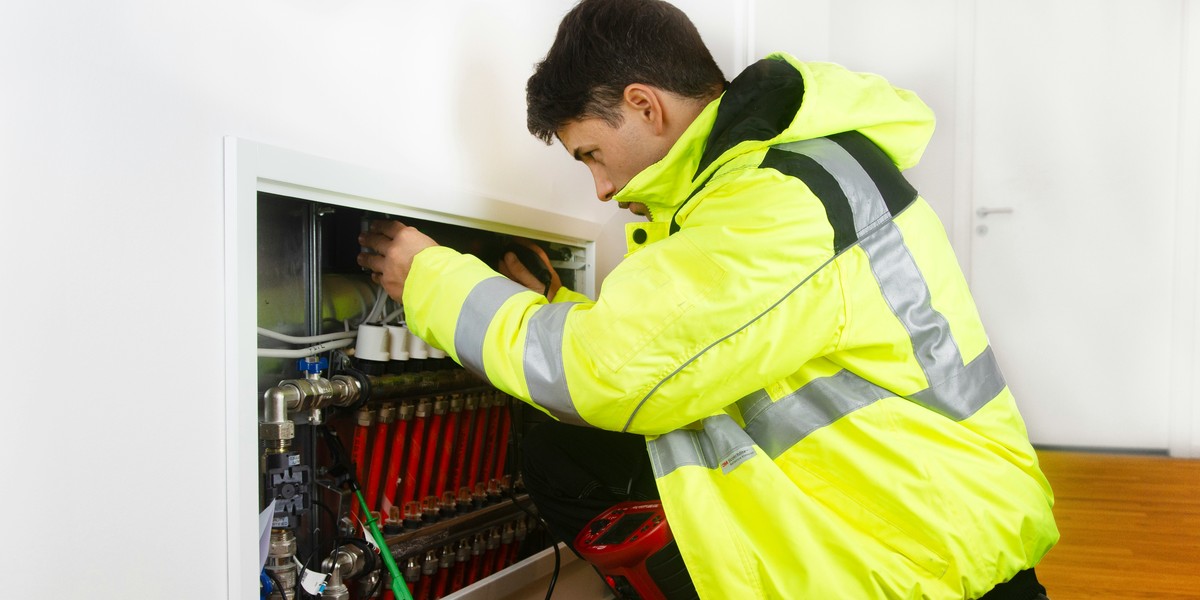
The first cold night of the season is when a lot of furnaces get switched on after sitting idle since spring. Most of them run fine. The ones that don’t can leak something you will never smell.
Carbon monoxide is an odorless, colorless gas that kills without warning, according to the Centers for Disease Control and Prevention, and gas- and oil-burning furnaces are on the CDC’s list of common household sources. Each year more than 400 Americans die from unintentional CO poisoning not linked to fires, more than 100,000 visit an emergency department, and more than 14,000 are hospitalized. The CDC lists older adults among the people more likely to get sick from it.
Fire is the other worry. The National Fire Protection Association estimates that fire departments responded to an average of 37,365 home fires a year involving heating equipment from 2020 to 2024. Nearly half of them happened from December through February.
A furnace that isn’t burning fuel cleanly often leaves clues. These five are worth a look before you count on it all winter.
A yellow or orange flame. If you can see the burner flame on a gas furnace, its color tells you something. Britain’s Health and Safety Executive lists yellow or orange rather than blue flames as a sign of incomplete combustion that may produce carbon monoxide. A steady blue flame is what you want.
Soot or brown staining around the unit. Black streaks near the service door, or yellow-brown stains on or around the furnace, point to the same burning problem. A carbon monoxide safety guide from the Texas A&M University System calls out “streaks of carbon or soot around the service door of fuel-burning appliances” as a clue you can see. Wiping the soot away does nothing about the cause.
Rust, water, or a loose vent pipe. The same Texas A&M guide flags heavy rust on flue pipes, small amounts of water leaking from the base of a vent or flue pipe, and vents that are loose or disconnected. The Consumer Product Safety Commission says a yearly inspection should check chimneys and flues for blockages, corrosion, partial and complete disconnections, and loose connections.
Extra condensation and a furnace that can’t keep up. HSE and Texas A&M both flag moisture collecting on windows. The Texas guide also lists a furnace that can’t heat the house or runs constantly, plus an unfamiliar or burning odor, as signs an appliance may not be working properly.
Headaches that ease when you leave the house. CPSC says early CO symptoms look like the flu without the fever: headache, fatigue, shortness of breath, nausea, and dizziness. The Texas A&M guide says to consider CO when family members have flu-like symptoms that improve after they’ve been away from home for a while. If that sounds familiar, get outside first and call the fire department from fresh air, as CPSC advises, then see a doctor.
A few habits help a lot. CPSC and the CDC both say to have the heating system serviced by a qualified professional every year, and NFPA recommends the same yearly cleaning and inspection. Put a CO alarm with battery backup on every level of the home and outside sleeping areas. The CDC says to replace detectors as the manufacturer directs or every five years. NFPA also says to keep anything that can burn at least three feet from heating equipment, and it names furnaces specifically. Boxes stored next to the furnace count.
If a CO alarm sounds, CPSC says not to hunt for the source. Move outside, call 911, and stay out until responders say it’s safe.
This article is for general information only and is not a substitute for an inspection by a qualified heating professional. If you suspect carbon monoxide, leave the home and call 911 or your fire department.