Lifestyle
5 Things Your Pharmacy Hopes You Never Ask About
By Erica Coleman · July 29, 2026
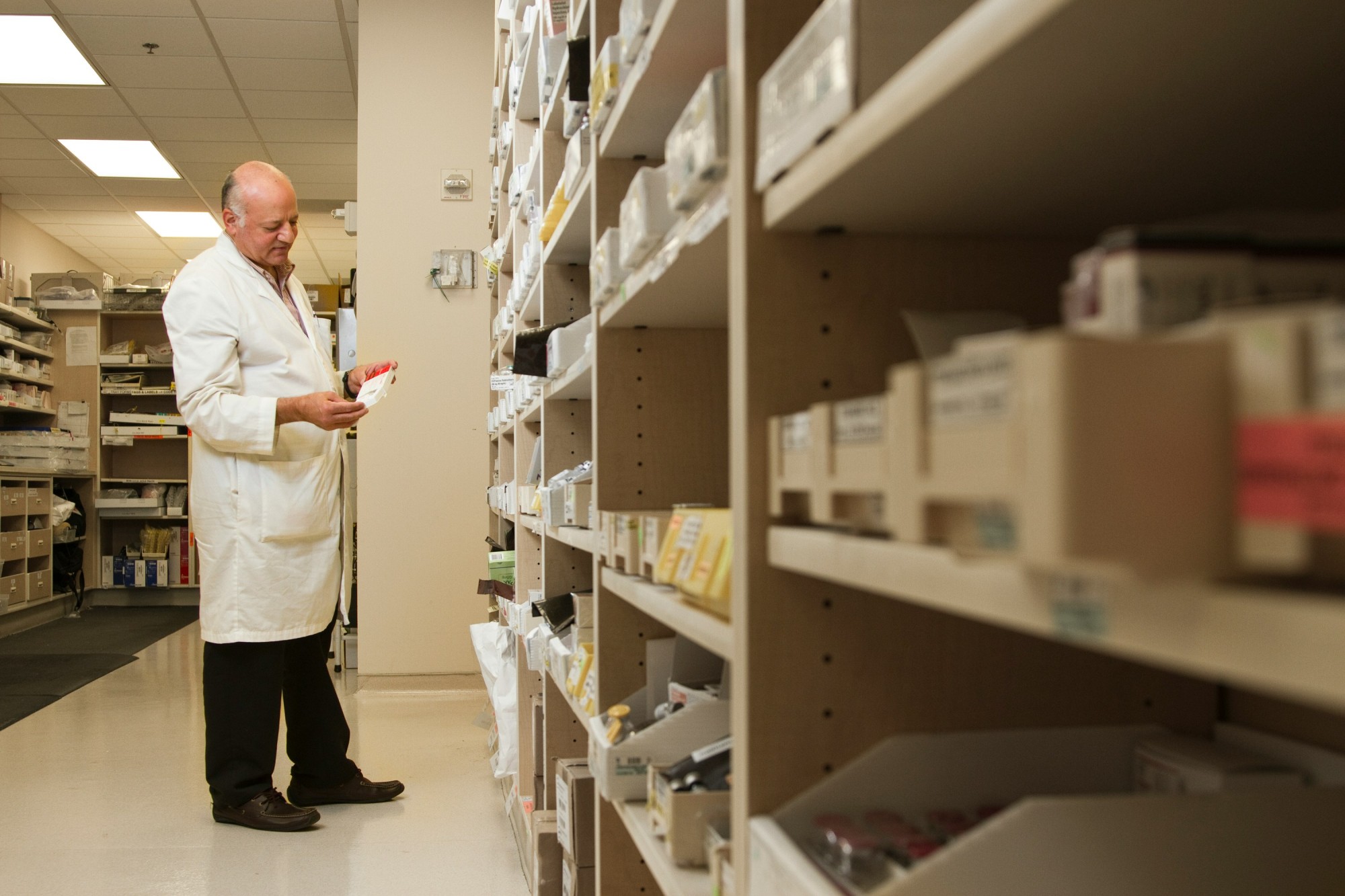
The price on your receipt might not be the lowest one available — and your pharmacy has no obligation to tell you that.
Most people walk up to the counter, hand over their insurance card, and pay whatever number appears on the screen. They don’t ask whether there’s a cheaper option, whether their insurance is actually saving them money, or whether the same pill costs half as much across the street. Pharmacists say the vast majority of customers never ask these questions. Here’s what they’re missing.
Your insurance price might be higher than the cash price. It sounds backwards, but it happens constantly. After a change in insurance coverage, some consumers find that paying out of pocket with a discount card like GoodRx costs less than their insurance copay — sometimes significantly. The pharmacy processes whichever card you hand them. They aren’t required to check if there’s a cheaper route. The downside of paying cash: it doesn’t count toward your insurance deductible.
The same drug can cost 10 times more at the pharmacy next door. The same generic atorvastatin can run $8 at one pharmacy and $84 at another within a five-mile radius, according to repeated pricing surveys. Pharmacies set their own cash prices, and the variation is enormous. Checking GoodRx, SingleCare, or Amazon Pharmacy pricing before every fill takes two minutes and can save hundreds of dollars a year on chronic medications.
A 90-day supply is often cheaper per pill than three 30-day fills. For medications you take daily, switching to a 90-day supply can cut the per-unit cost and eliminate two monthly trips. Some pharmacies and discount programs offer significantly lower pricing on the larger quantity, but you have to ask your prescriber to write the script that way. Most won’t do it unless you request it.
Your pharmacist can suggest a cheaper equivalent — but only if you ask. Pharmacists can’t change your prescription without your doctor’s approval. But they can tell you whether a therapeutically equivalent generic exists, whether a different drug in the same class costs less, or whether a manufacturer offers a patient assistance program. Therapeutic substitution to a clinically equivalent medication is one of the highest-documented savings strategies — but it starts with one question at the counter.
Medicare patients may not know about the new $2,000 cap. Starting in 2025, Medicare Part D out-of-pocket prescription costs are capped at $2,000 per year — down from no cap at all in previous years. Once you hit that threshold, your prescriptions cost nothing for the rest of the year. Many Medicare enrollees still don’t know this exists, and pharmacies aren’t required to flag it. If you’re on Medicare and your annual drug spending is high, track your total — you may be closer to free prescriptions than you think.
The pharmacy fills prescriptions. It doesn’t shop for the best deal on your behalf. That job belongs to you — and knowing these five things before your next refill is where it starts.