Lifestyle
5 Warning Signs You May Have Had a Stroke Without Knowing It
By Erica Coleman · September 12, 2026
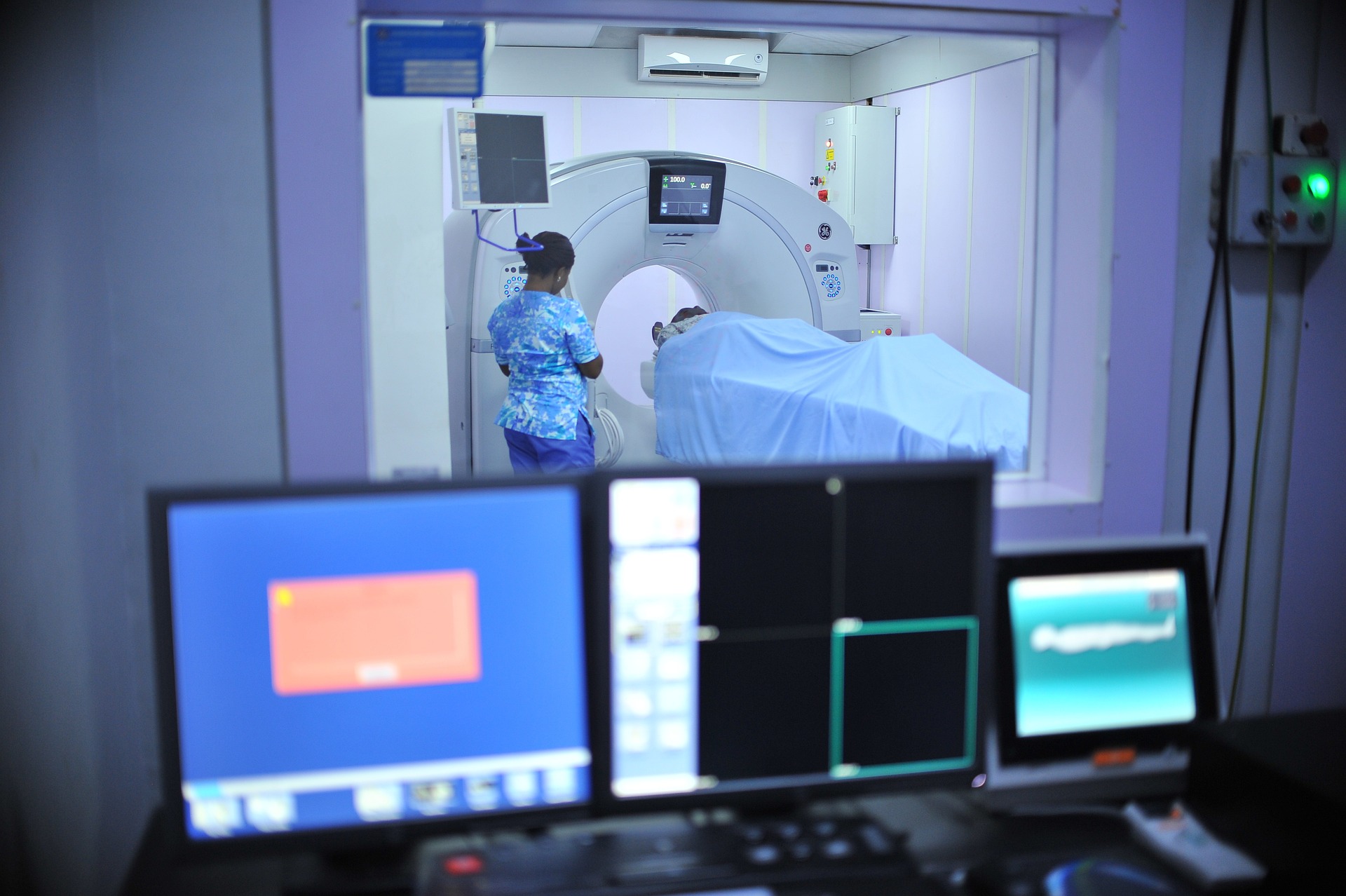
You never went to the hospital. You never lost the ability to speak or move. But an MRI taken for something unrelated just showed evidence of a stroke you didn’t know you had.
Silent strokes — also called covert brain infarcts — affect an estimated 8 to 11 million Americans, and the majority of them produce no obvious symptoms at the time they occur. They’re discovered incidentally on brain imaging or never discovered at all. But they cause permanent damage — and each one significantly increases the risk of the next stroke being the kind you can’t miss.
Your thinking has slowed — but not dramatically enough to alarm you. Silent strokes damage small areas of brain tissue. The cognitive effects are subtle: slower processing, mild difficulty with word retrieval, slightly impaired problem-solving. No single change is alarming enough to trigger a doctor’s visit. But over time, accumulating silent strokes produce a stepwise cognitive decline that mimics — and is often misdiagnosed as — early Alzheimer’s disease.
Your balance or coordination changed without explanation. A sudden, unexplained change in gait — walking with a slight limp, feeling unsteady, or listing to one side — can be the only visible evidence of a silent stroke affecting the brain’s motor pathways. If your balance worsened noticeably over a short period without an injury, the cause may be vascular rather than musculoskeletal.
You had a sudden, severe headache that resolved on its own. A “thunderclap” headache — sudden, intense, and unlike any headache you’ve had before — can accompany a small stroke. Because the headache resolves within hours and no other obvious symptoms develop, most people take an aspirin and move on. The headache may have been the only signal your brain sent.
Your mood or personality shifted without cause. Damage to specific brain regions from a silent stroke can alter emotional regulation, producing new anxiety, irritability, apathy, or depressive symptoms that have no clear trigger. Family members may notice the change before the person does. Personality shifts that appeared gradually after age 50 — particularly when combined with subtle cognitive or motor changes — are worth investigating with imaging.
You have risk factors and haven’t been screened. The risk factors for silent stroke are the same as for symptomatic stroke: high blood pressure, diabetes, atrial fibrillation, smoking, high cholesterol, and age over 60. If you have two or more of these risk factors and you’ve noticed any combination of subtle cognitive, motor, or mood changes, brain imaging can reveal whether silent strokes have already occurred — and aggressive risk-factor management can reduce the likelihood of the next one.
The stroke you didn’t know you had is the one that sets up the stroke you won’t be able to ignore. Catching the damage early — through imaging prompted by subtle symptoms and risk factors — is the only way to intervene before the cumulative effect becomes devastating.