Lifestyle
5 Warning Signs Your Air Conditioner Is About to Break Down
By Curtis Jones · August 5, 2026
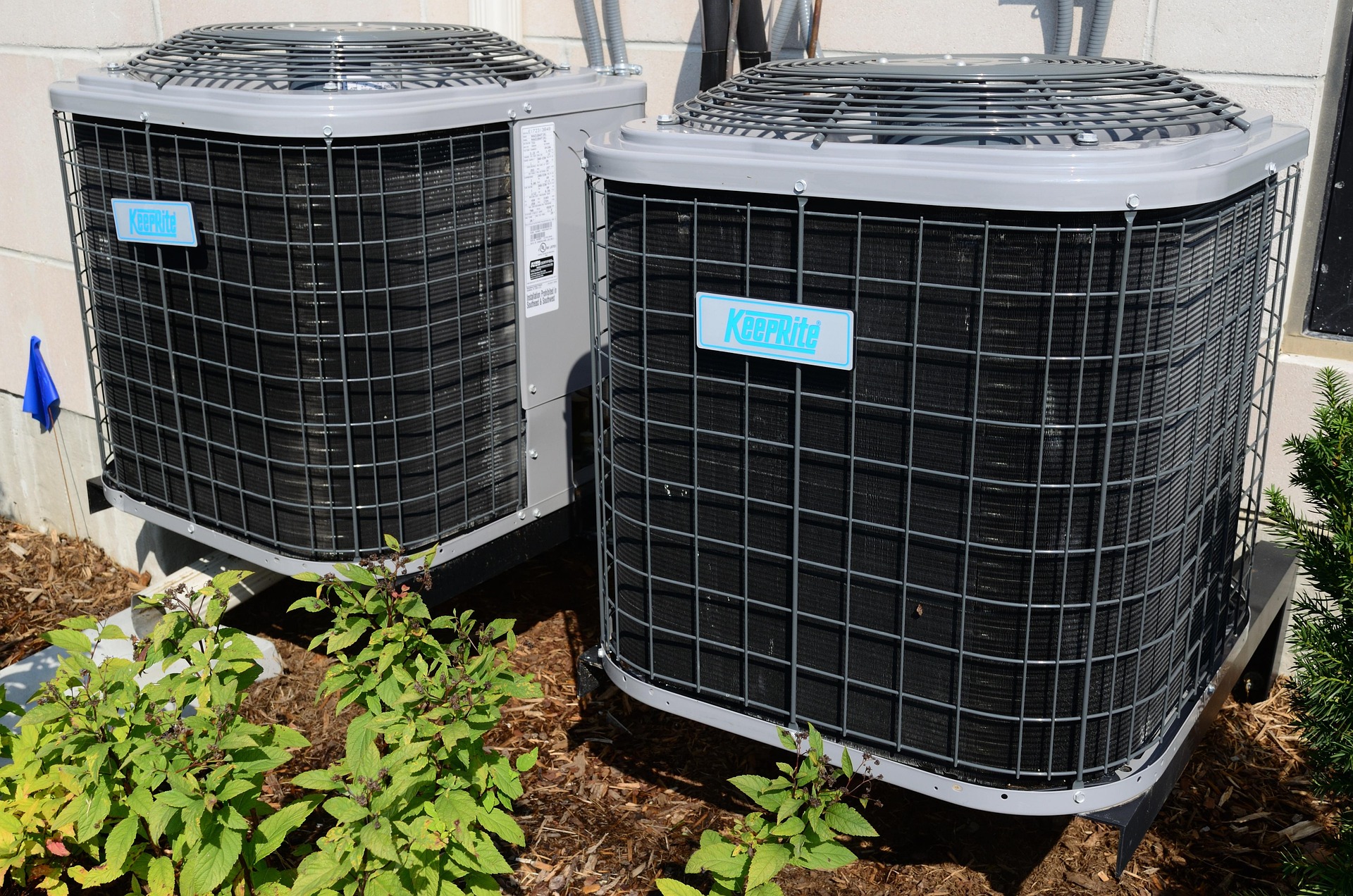
It’s the hottest week of the year. Your AC just stopped. The earliest available appointment is Thursday. This is the scenario nobody plans for — and the one that costs the most.
Air conditioning failures rarely happen without warning. The system sends signals for weeks or months before it gives out, and most homeowners either don’t notice or assume the problem will fix itself. Here’s what HVAC technicians say to listen for.
It’s running constantly but the house isn’t getting cooler. A system that runs without cycling off is working harder than it should. The most common cause is low refrigerant — which means a leak somewhere in the system. Other causes include a failing compressor, a clogged condenser coil, or ductwork that’s leaking cooled air into the attic. Whatever the cause, a system that runs nonstop is burning energy without delivering results, and the electric bill will confirm it before the system does.
You’re hearing sounds that weren’t there before. Grinding, squealing, clicking, or banging from the outdoor unit or the air handler are mechanical signals. Grinding often indicates a failing motor bearing. Squealing can mean a belt is slipping or a fan motor is struggling. Banging typically means something has come loose inside the unit. None of these sounds resolve on their own, and all of them worsen if ignored.
Some rooms are significantly warmer than others. Uneven cooling across different rooms can indicate ductwork problems, a failing blower motor, or a system that’s losing capacity. If the master bedroom is 72 degrees but the back bedroom won’t drop below 78, the system isn’t distributing air effectively. This is often the first sign of a compressor in decline.
The air coming from the vents is weaker than it used to be. Reduced airflow is one of the easiest symptoms to notice and one of the most commonly ignored. A clogged filter is the simplest cause — and the cheapest fix. But weak airflow can also signal a failing blower motor, collapsed ductwork, or a frozen evaporator coil. If changing the filter doesn’t restore airflow within 24 hours, the problem is deeper.
Your electric bill spiked without a clear reason. An AC system losing efficiency draws more power to produce less cooling. A sudden jump in your electric bill during a month when temperatures haven’t changed dramatically is a signal that the system is working harder. Comparing your current bill to the same month in prior years — most utilities provide this data online — can reveal the decline before the system fails completely.
The average lifespan of a central air conditioning system is 15 to 20 years. Once a unit passes 12 to 15 years, the risk of major component failure rises sharply. Having it inspected before the peak of summer — not after it breaks — is the difference between a $200 service call and a $6,000 emergency replacement.