Lifestyle
6 Causes of Ringing in Your Ears Most People Blame on Aging
By Erica Coleman · September 29, 2026
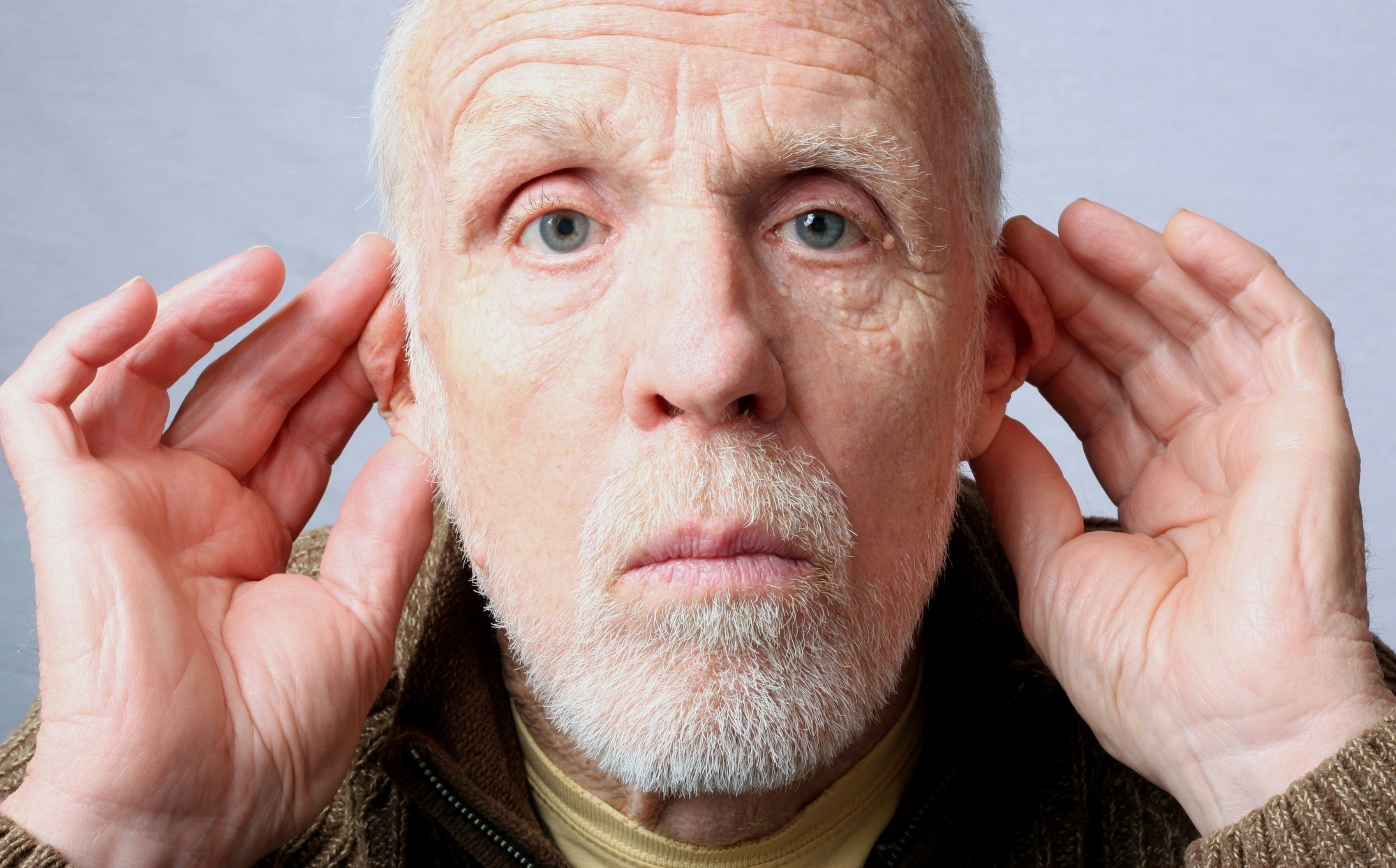
About 1 in 10 American adults hears a ringing, buzzing, hissing, or clicking sound that no one else can hear. It’s called tinnitus, and it becomes more common with age — affecting roughly 20% of older adults, according to research. But “aging” is rarely the real cause. Tinnitus is a symptom, not a disease, and the underlying cause is usually treatable once it’s identified. Chalking the ringing up to getting older often means missing the real problem.
Here are the six most common causes of tinnitus most people dismiss as normal aging.
Age-related hearing loss. This is the most common cause — but calling it “aging” hides what’s actually happening. Roughly 8 to 9 out of 10 people with long-term tinnitus have an underlying hearing loss, and age-related hearing loss (presbycusis) is the most common form, the Cleveland Clinic reports. When the inner ear’s hair cells deteriorate, the brain compensates by generating phantom sounds. Treatment: hearing aids often reduce or eliminate tinnitus by restoring the missing sound the brain was trying to fill in.
Noise damage from decades earlier. Loud noise you were exposed to in your 20s or 30s — concerts, factory work, chainsaws, gunfire, motorcycle riding — often shows up as tinnitus 20 or 30 years later. Loud noise damage from lawn mowers, snow blowers, or loud music can result in permanent hearing loss and contribute to tinnitus, the National Institute on Aging notes. The damage is cumulative and doesn’t reverse — but hearing aids and sound therapy can still substantially reduce the ringing.
Earwax blockage. This is the fastest fix nobody thinks about. As you age, earwax can build up and harden more easily, blocking the ear canal and causing tinnitus that comes on suddenly or gets progressively worse. A doctor can clear it in a single visit. Never use cotton swabs — they push wax deeper — and never try ear-candling, which the FDA has warned against as ineffective and potentially harmful.
Medication side effects. Many common medications cause or worsen tinnitus, including high-dose aspirin and other NSAIDs, certain antibiotics, some diuretics, and specific chemotherapy drugs. If your tinnitus started or intensified within weeks of beginning a new prescription, tell your doctor. Sometimes a dose adjustment or a switch to a different medication resolves it.
Cardiovascular issues. High blood pressure, atherosclerosis, and other cardiovascular conditions can cause a specific form of tinnitus called pulsatile tinnitus — a rhythmic whooshing or pulsing sound that matches your heartbeat. Pulsatile tinnitus should always be evaluated by a doctor, because it can signal narrowed arteries in the neck or head, an aneurysm, or a tumor pressing on a blood vessel. It’s not just “getting older.”
Meniere’s disease and TMJ. Two treatable conditions frequently cause tinnitus that gets misattributed to age. Meniere’s disease affects the inner ear and typically causes tinnitus paired with vertigo, hearing changes, and a feeling of fullness in the ear. Temporomandibular joint (TMJ) disorder — jaw dysfunction — commonly causes tinnitus that changes when you move your jaw. Both are diagnosable and treatable, but only if someone recognizes them instead of chalking the ringing up to aging.
Tinnitus is also worth taking seriously because it can be one of the earliest signs of hearing loss in older adults, the NIA notes, and untreated hearing loss is now linked to increased dementia risk in older populations. If ringing has been in your ears for months and no one has ordered a hearing test, that’s the first step.
The ringing isn’t just aging. It’s usually pointing to something identifiable — and something that can be treated.