Lifestyle
6 Lawn Care Contract Practices Most Homeowners Never Question
By Mike Harper · August 18, 2026
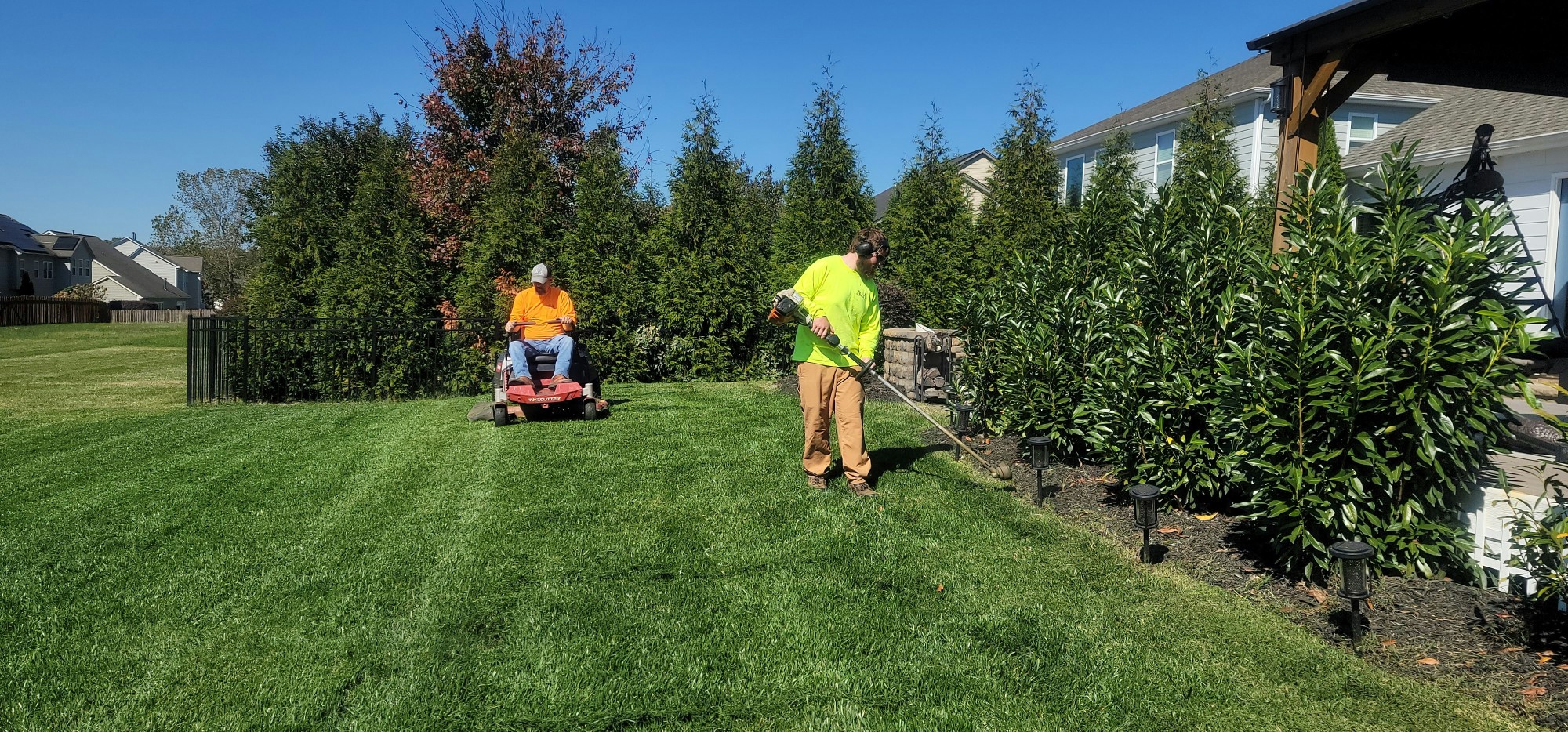
They showed up, ran a mower for 20 minutes, and left. The bill was $65. You have no idea whether they actually did what the contract says they did.
The lawn care industry generates more than $130 billion annually, and the residential side of the business runs on recurring contracts with homeowners who rarely inspect the work, almost never read the service agreement, and don’t know enough about turf management to evaluate whether the treatments they’re paying for are necessary.
The “fertilization and weed control” program may include treatments you don’t need. Many lawn care companies sell a five- to seven-application annual program that includes pre-emergent herbicide, broadleaf weed control, fertilizer, grub control, and lime or aeration. The applications are scheduled on a calendar, not based on your lawn’s actual condition. A soil test — which most companies never perform before selling you the program — would reveal whether your lawn needs lime, what nutrients are deficient, and whether the fertilizer ratio they’re applying is appropriate. Without one, you’re paying for a standardized program that may not match your soil.
The contract auto-renews and the price increases. Most residential lawn care contracts renew automatically at the end of the season with a 3% to 10% annual price increase. Cancellation requires written notice — typically 30 days before the renewal date. If you miss the window, you’re locked into another year at the higher rate. The renewal notice, if one is sent, is usually a single line in an invoice you didn’t read closely.
“Licensed and insured” may not mean what you think. Pesticide application requires a state-issued applicator license. Basic mowing and trimming does not. A company can be “licensed” for business purposes and “insured” with minimal general liability while sending unlicensed workers to apply chemicals on your property. Ask specifically whether the person applying treatments holds a certified pesticide applicator license — and verify it through your state’s department of agriculture.
They may be spraying when conditions make it ineffective. Herbicides applied in temperatures above 85°F or during high wind can drift, burn turf, or fail to control weeds. Fertilizer applied before heavy rain washes into storm drains. Professional timing matters — and a crew on a tight schedule may apply products in conditions that make the treatment useless. If you’re paying for six applications and three were applied in suboptimal conditions, you received half the value.
You’re paying for services you can’t verify. A crew arrives, works for 15 to 30 minutes, and leaves a door hanger. You weren’t home. Did they apply the pre-emergent? Did they spot-treat weeds? Did they aerate? Unless you’re present for every visit or install a camera, you’re trusting the door hanger. Some companies have been caught billing for services that were never performed — particularly mid-season applications when the homeowner is unlikely to notice the difference.
DIY alternatives cost a fraction of the contract price. A bag of pre-emergent herbicide, a spreader, and a broadleaf weed killer from a home improvement store cost roughly $80 to $120 per season. A professional program for the same yard costs $500 to $1,200. The professional advantage is expertise and convenience — but the price premium is 5x to 10x for products available to anyone.
Your lawn doesn’t know who applied the fertilizer. It only knows whether the right product was applied at the right time in the right amount. Asking for a soil test, reading the contract, and being home for at least one application per season are the minimum steps to ensure you’re getting what you’re paying for.