Lifestyle
6 Plumbing Industry Practices Most Homeowners Still Don’t Question
By Mike Harper · September 14, 2026
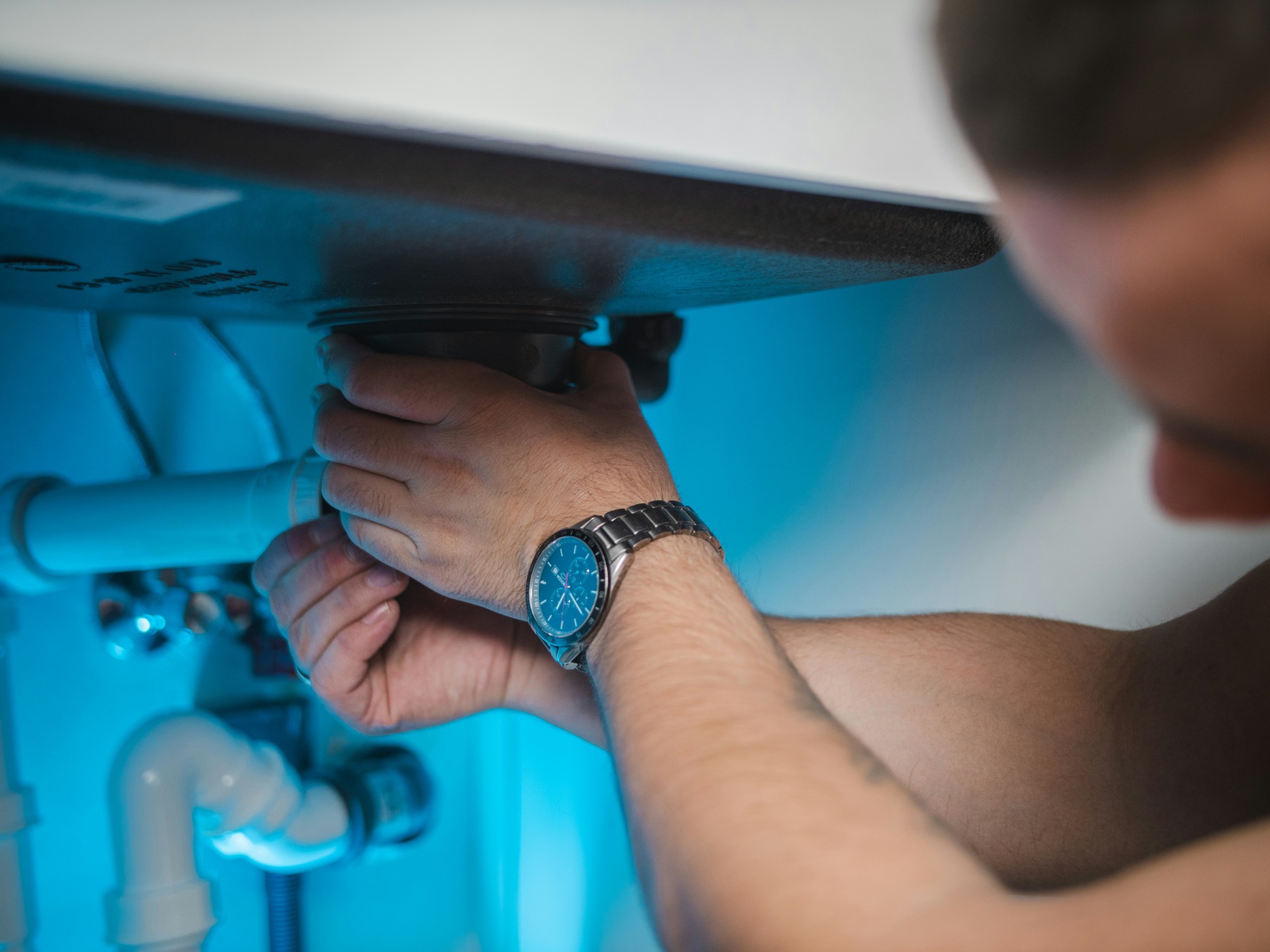
The first plumber piece was one of our strongest July performers. Here’s what we left out.
The “emergency” rate may apply to calls that aren’t emergencies. A toilet that won’t stop running at 10 p.m. is annoying. It’s not an emergency — the water goes down the drain, not onto your floor. But many plumbing companies charge emergency rates — often 1.5x to 2x the standard rate — for any call outside business hours, regardless of whether the issue poses an imminent risk of property damage. Before calling after hours, ask yourself: will this cause damage if I wait until morning? If the answer is no, the morning rate saves you $150 to $300.
Drain cleaning chemicals are almost never the right answer — and plumbers know it. Most plumbers will tell you (if asked) that chemical drain cleaners can corrode pipes, damage septic systems, and create toxic fumes. They’ll also sell you a drain cleaning service for $150 to $400 when the clog may be clearable with a $7 drain snake from the hardware store. The professional service is warranted for deep blockages. For a slow bathroom drain caused by hair accumulation, a manual snake solves it in five minutes.
A leaking toilet flapper costs $5 to fix — and they may quote $150. The flapper — the rubber seal at the bottom of the toilet tank — is the most common cause of a running toilet. The part costs $5 to $10 at any hardware store. The replacement takes 10 minutes with no tools. A plumber who quotes $150 for a “toilet repair” may be charging $140 in labor for a component you can swap yourself after watching a two-minute video.
Water heater flushing is a real maintenance task — but the upsell is the replacement. Annual water heater flushing removes sediment and extends the tank’s life. It’s legitimate maintenance. But some plumbers use the flushing visit to recommend a full replacement — especially if the unit is over eight years old. A water heater that’s functioning properly can last 10 to 15 years. Age alone isn’t a reason to replace. Performance and visible deterioration are. Get a second opinion before authorizing a $2,000 to $4,000 replacement based on one plumber’s recommendation.
The “whole house repipe” may not be necessary. Some plumbing companies push full repiping — replacing every pipe in the house — when the issue is localized to one section. A whole-house repipe costs $8,000 to $15,000. Repairing or replacing the affected section may cost $500 to $2,000. Unless you’re experiencing failures in multiple locations simultaneously, or your home has polybutylene pipes (a material known to fail), a targeted repair is almost always the appropriate first step.
Licensed and insured means different things in different states. Plumbing licensure requirements vary widely. Some states require master plumber certification with years of apprenticeship. Others require only a general contractor’s license. A “licensed plumber” in one state may have training that wouldn’t qualify in another. Check your state’s licensing board to understand what the license actually certifies — and ask whether the person entering your home is the license holder or an employee working under someone else’s license.