Lifestyle
6 Signs Your Roof May Be Leaking That Most Homeowners Miss
By Curtis Jones · August 9, 2026
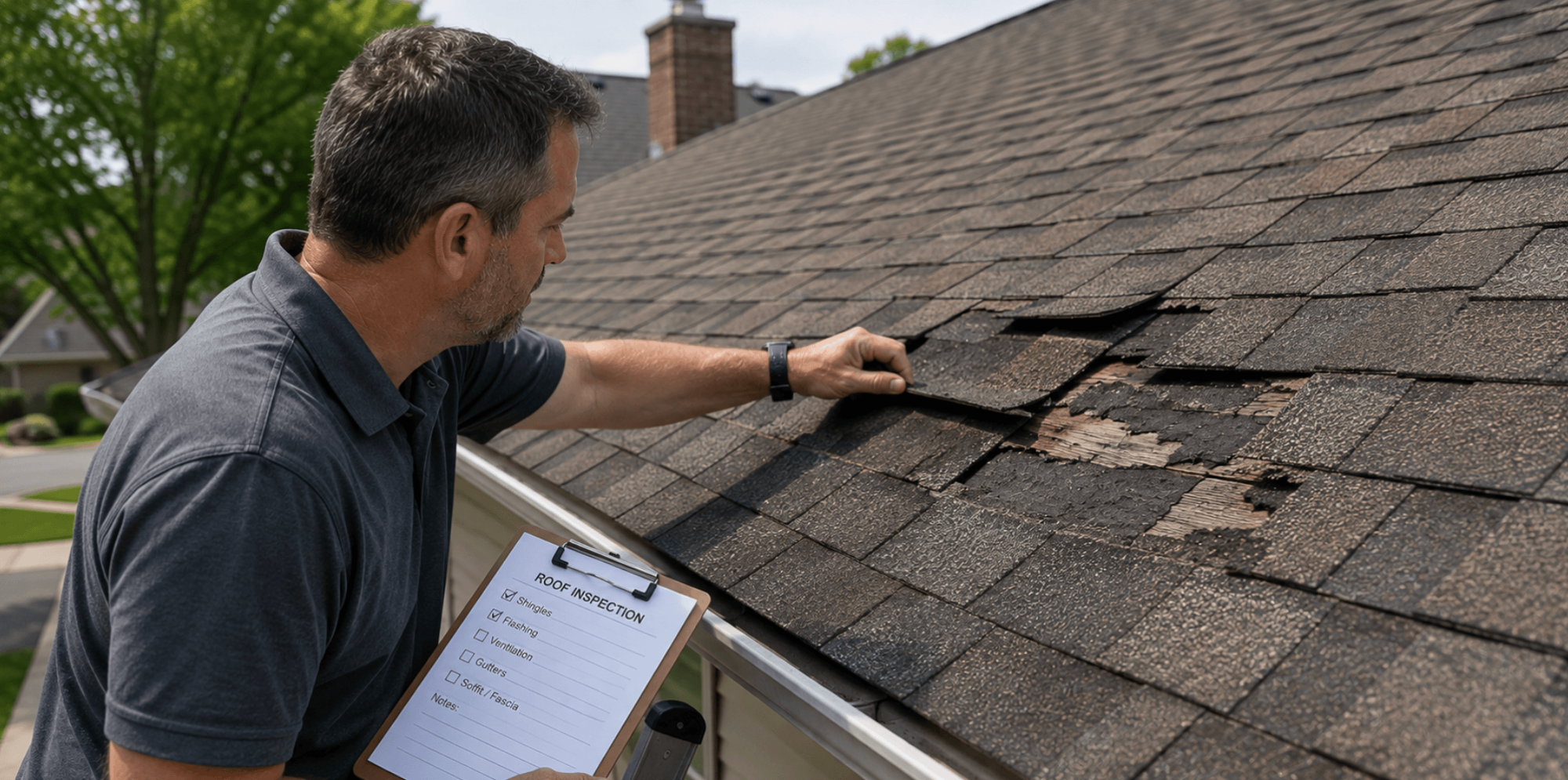
By the time water drips from your ceiling, the leak has been there for weeks. The damage started long before you noticed.
Roof leaks don’t announce themselves. They migrate through layers of sheathing, insulation, and drywall before they become visible, and by the time a stain appears on your ceiling, the structural damage above it may be extensive. Here’s what to watch for before the drip starts.
Dark spots on the ceiling that don’t feel wet. A discolored patch on a ceiling or wall — yellowish-brown, circular or irregular — indicates that water has traveled through the material and evaporated, leaving mineral stains behind. The spot may be dry to the touch because the leak is intermittent, occurring only during certain rain conditions. If the stain grows after heavy rain, the leak is active.
A musty smell in the attic or upstairs rooms. Moisture trapped in insulation, wood, or drywall produces a persistent musty odor that most people attribute to poor ventilation or seasonal humidity. If the smell is strongest near the roofline or in the attic, the cause may be water intrusion that hasn’t yet become visible.
Granules in the gutters. Asphalt shingles shed granules as they age, and finding small, sand-like particles in your gutters is normal in small amounts. A sudden increase in granule accumulation indicates accelerated shingle deterioration. Once enough granules are lost, the underlying mat is exposed to UV radiation and water, and leaks follow.
Flashing around vents and chimneys is lifting or cracked. Flashing — the thin metal strips that seal the joints where the roof meets a chimney, vent pipe, or skylight — is the most common entry point for leaks. If flashing is visibly bent, cracked, or separated from the surface it’s supposed to seal, water is getting underneath. Flashing failures account for a disproportionate share of roof leaks and are often repairable without replacing the roof itself.
Paint is bubbling or peeling near the roofline. Interior paint that blisters, bubbles, or peels on walls or ceilings near the top of the house is absorbing moisture from behind the surface. The moisture source may be a roof leak, a condensation problem, or both. If the peeling is confined to areas directly below the roof, water intrusion is the more likely cause.
Your energy bills spiked without explanation. Wet insulation loses its thermal resistance almost entirely. If a section of your roof is leaking and saturating the insulation in the attic, your heating and cooling system works harder to maintain temperature. A sudden increase in energy costs during a month with normal weather may be a sign that insulation is compromised by water you haven’t seen yet.
A roof inspection from the ground with binoculars can reveal missing shingles, damaged flashing, and sagging areas. An interior check of the attic with a flashlight can reveal daylight through the decking, water stains on the underside of the sheathing, and damp insulation. Both take less than 20 minutes and can catch a $500 repair before it becomes a $15,000 problem.