Lifestyle
6 Things at the Grocery Store You’re Overpaying For Every Week
By Mike Harper · August 17, 2026
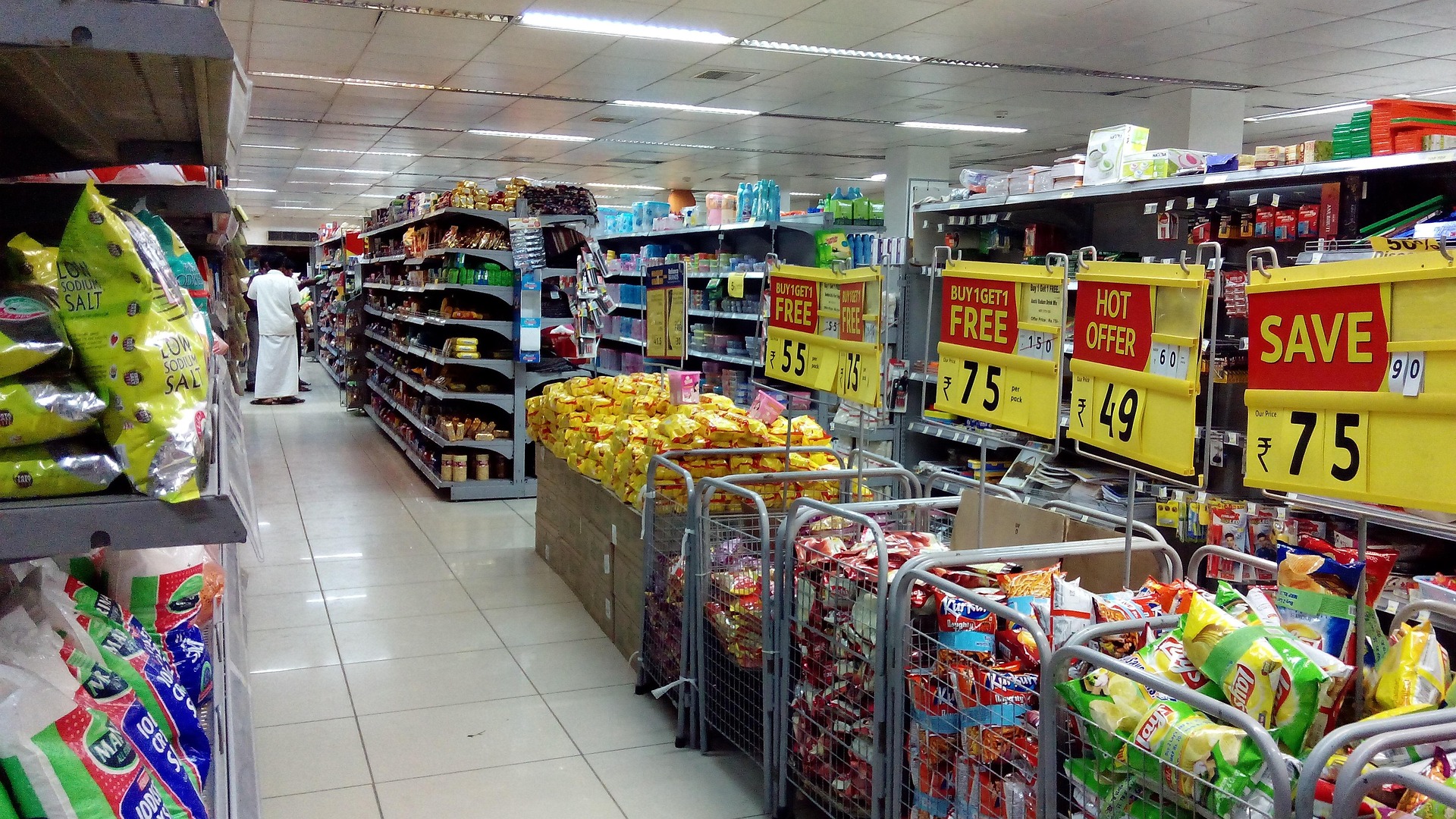
The shelf tag says one price. The register charges another. You didn’t check because you never do. That’s the business model.
A Consumer Reports investigation found that shoppers at Kroger-owned stores were overcharged on more than 150 items due to expired or misleading sales tags, with an average overcharge of $1.70 per item — roughly 18% more than the advertised price. And Kroger isn’t alone. Here’s where the money goes without most shoppers noticing.
The shelf price doesn’t match the scanner price. Expired sales tags stay up for days or weeks after promotions end. When the item scans at the higher, current price, most shoppers don’t catch it because they’re not comparing their receipt to the shelf tags. In states with scanner accuracy laws, stores owe you the lower price or the item free. In states without those laws, you’re paying whatever the computer says.
The “sale” price is the regular price somewhere else. A “SALE: $3.99” tag looks like a deal. But many stores rotate items through promotional pricing cycles where the “sale” price is identical to — or higher than — a competitor’s everyday price. Without checking unit prices across stores, you can’t tell whether a yellow tag is a genuine discount or a marketing exercise.
The unit price is buried for a reason. The number that actually tells you whether a product is a good deal — the cost per ounce, per pound, or per count — is printed in small font on the bottom of the shelf tag. It’s the only number that lets you compare a 24-ounce jar to a 32-ounce jar fairly. Most shoppers look at the total price. Stores know this, which is why the unit price is small and the total price is large.
Shrinkflation means you’re paying the same for less product. The price on your coffee didn’t change. The can went from 30 ounces to 25. Between 2012 and 2019, the average size of packaged food decreased by nearly 15%, according to University of Massachusetts research — and the trend has accelerated since. Coffee saw per-unit price increases of up to 32% due to downsizing alone. The only defense is the unit price, which reflects the actual cost per ounce regardless of packaging changes.
Multi-buy deals often don’t require buying multiple. “3 for $9” sounds like you need to buy three. At most major chains, the per-item price applies even if you buy one — meaning one item costs $3, not $3.33. The multi-buy signage is designed to encourage you to buy more than you need. Check the fine print on the tag before loading up.
End-cap displays are paid placements, not recommendations. The products at the end of every aisle are there because manufacturers paid the store a “slotting fee” for premium placement — typically thousands of dollars per position per store. End-cap items are almost never the cheapest option in their category. They’re the option with the biggest marketing budget. The best deals are usually at eye level on the regular shelf — not on the promotional island.
Your grocery store is not designed to help you spend less. It’s designed to help you spend more while feeling like you got a deal. Checking the unit price, photographing shelf tags, and reviewing your receipt in the parking lot are three habits that cost nothing and save hundreds a year.