Lifestyle
6 Things Medical Labs Hope You Never Ask Before Your Blood Work
By Erica Coleman · October 20, 2026
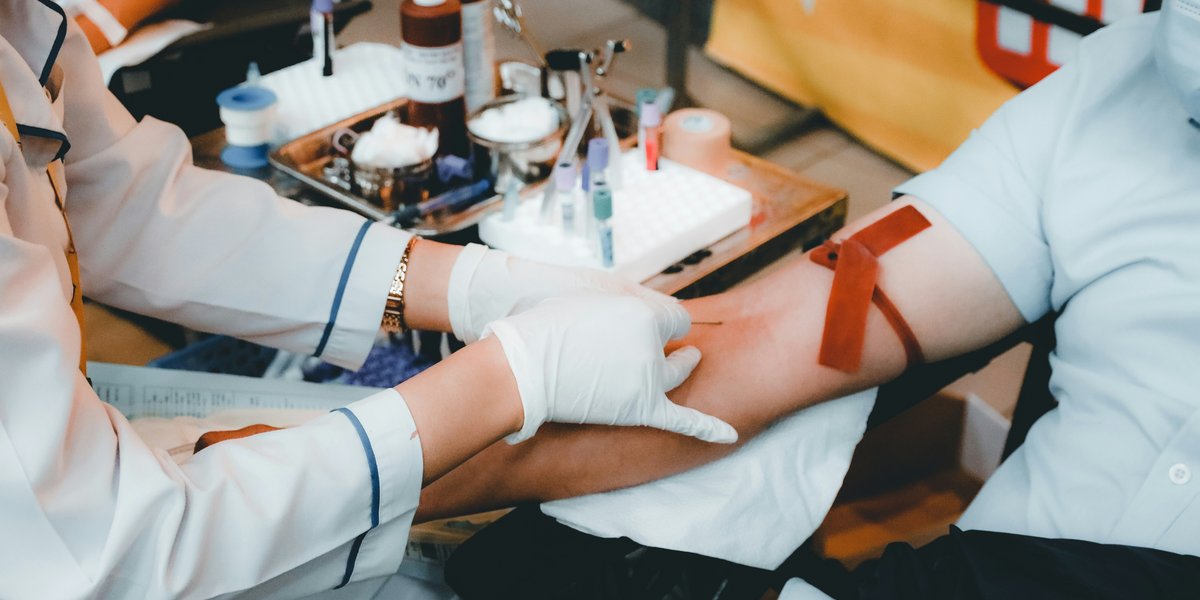
Blood work is so routine that most people hand over an arm without a second thought. For people on Medicare it is usually free. Medicare.gov says Part B covers medically necessary diagnostic lab tests when your provider orders them, and that you usually pay nothing for Medicare-covered lab tests.
That word “usually” is where surprise bills come from. A test Medicare won’t cover can land on you, and a test you never needed can end up on your record. These six questions, drawn from Medicare’s own rules, can help.
Whether Medicare covers this test for you. Coverage depends on why the test is ordered and how often. In a tutorial for providers, the Centers for Medicare & Medicaid Services lists three common reasons Medicare may not pay for a lab test: it doesn’t pay for that test for your condition, it doesn’t pay for the test that often, or the test is experimental or for research.
What the form they want you to sign means. When a provider or lab expects Medicare to deny a test it normally covers, it must give you an Advance Beneficiary Notice of Non-coverage, or ABN, before the test. The notice lists the test, the reason, and an estimated cost. Medicare says you pick one of three options on the ABN. The first lets you get the test and still have Medicare billed, which keeps your right to appeal. The second means no claim is filed and no appeal is possible. The third means you decline the test and owe nothing. An ABN isn’t an official denial. CMS tells providers not to use the form for Medicare Advantage plans, so if you’re in one, call your plan.
How often Medicare pays for a screening. Preventive blood tests come with limits. Medicare covers cholesterol and other heart screening blood tests once every 5 years at no cost if your provider accepts assignment. Diabetes screening is covered up to twice a year for people with certain risk factors. Medicare.gov warns that your doctor may recommend services Medicare doesn’t cover or offers too often, and suggests asking why.
Who ordered this test. The Department of Health and Human Services Office of Inspector General has warned about a genetic testing scam in which people on Medicare are offered “free” cheek swabs at health fairs, by phone, or at the door. If Medicare denies the claim, OIG says, you could owe the entire cost, which could be thousands of dollars. Refuse any test kit your own doctor didn’t order, and give your Medicare number only to your doctor’s office.
Whether you can get the results yourself. You can. A 2014 federal rule gave patients the option to get completed test reports directly from the lab, not only through a doctor. You may have to ask in writing and pay copying or mailing costs, and in most cases the copy must be provided within 30 days.
What shows up on your Medicare statement. Medicare suggests comparing the dates and services on your calendar with your Medicare statements to make sure you got everything listed. A secure Medicare.gov account lets you see Original Medicare claims as soon as they’re processed. If a lab test appears that you never had, report it by calling 1-800-MEDICARE.
None of these questions should bother a good lab or doctor’s office. A minute at the front desk can save you from a bill months later.
This article is for general information and is not medical, legal, or benefits advice. Confirm your coverage with 1-800-MEDICARE, your Medicare Advantage plan, or your local SHIP counselor.