Lifestyle
Top of the Wait List for Low-Income Senior Housing in Her 60s, She Chose to Stay Put: ‘Low Income Will Keep You Low Income’
By Curtis Jones · November 29, 2026
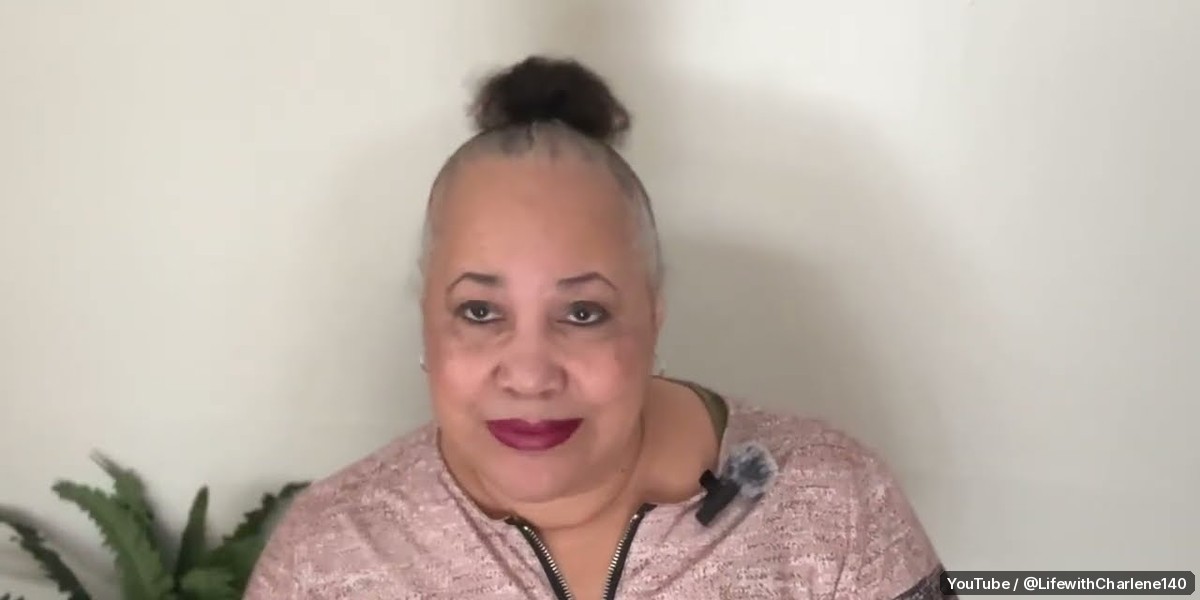
Charlene, who runs the YouTube channel Life with Charlene (@LifewithCharlene140), had been waiting for a spot in senior housing. In a February 2025 video titled “I made a decision to move or not to Senior Living Housing,” she told viewers the wait was over. “I received a letter in the mail telling me I’m at the top of the wait list,” she says.
Charlene, who is in her 60s, had applied to two places. “How I applied was through low income so my rental payment would be based off of my income,” she explains. “Thirty percent of my income would be the rental amount.”
So she sat down and did the math. “Is it really worth it for me to move into a place like that and give up my mobile home?” she asks.
Then her situation changed. Income-based housing comes with a yearly review, she notes. “Every year they go through your finances and income and all that stuff. There’s a baseline to be considered low-income,” she says. “I knew I met that baseline. But now, because of you guys, I’m a little bit over the baseline.” Her channel had started growing, and “my income increased, so I’m not, I don’t feel the struggle, I don’t feel that pressure.”
“My decision is to stay where I am. Why? Because my income has increased,” she says. “What I’m paying here is still under anything I could find outside of this place here. Plus I like it. I’ve built a community here now where I feel great. I don’t feel so isolated now.”
She also worried about getting stuck. “Moving into a senior living low income will keep you low income and I’m not about to do that,” she says. “Once you start going into low income senior living they kind of keep you in that spot and I don’t want to be stuck in low-income housing.”
By the end, she was settled. “My decision is I’m gonna stay right where I am,” she says. “I can have guests over when I want I can have parties in the yard when I want and I can come and go as I please.”
The rules she describes are close to how federal housing aid works. In HUD’s public housing program, rent is generally the highest of 30 percent of monthly adjusted income, 10 percent of monthly income, welfare rent where it applies, or a minimum rent of $25 to $50. Households headed by an older adult get a $400 deduction from annual income. Local housing agencies review income at least once every 12 months, and HUD notes that if income rises enough to afford private housing, the agency may decide whether the household should stay. HUD also says “long waiting periods are common,” and some agencies close their lists.
If you are on a senior housing waiting list, it helps to keep your contact details current with the housing agency so you don’t miss a letter like Charlene’s, and to ask how rent is figured and how often income is reviewed before you sign. Price out your current home, including repairs and lot or utility costs, against 30 percent of your income. And visit in person to learn the guest and visiting rules before you give up the place you have.
This article is for general information and is not financial or legal advice. Charlene’s story and quotes are from her video on her YouTube channel (@LifewithCharlene140). Housing program details are from the U.S. Department of Housing and Urban Development (hud.gov); rules for specific senior properties vary. This article was produced with the assistance of AI and fact-checked against the sources cited by LightWave Reports.