Lifestyle
6 Things Your Cemetery Hopes You Never Ask Before Purchasing a Plot
By Erica Coleman · September 11, 2026
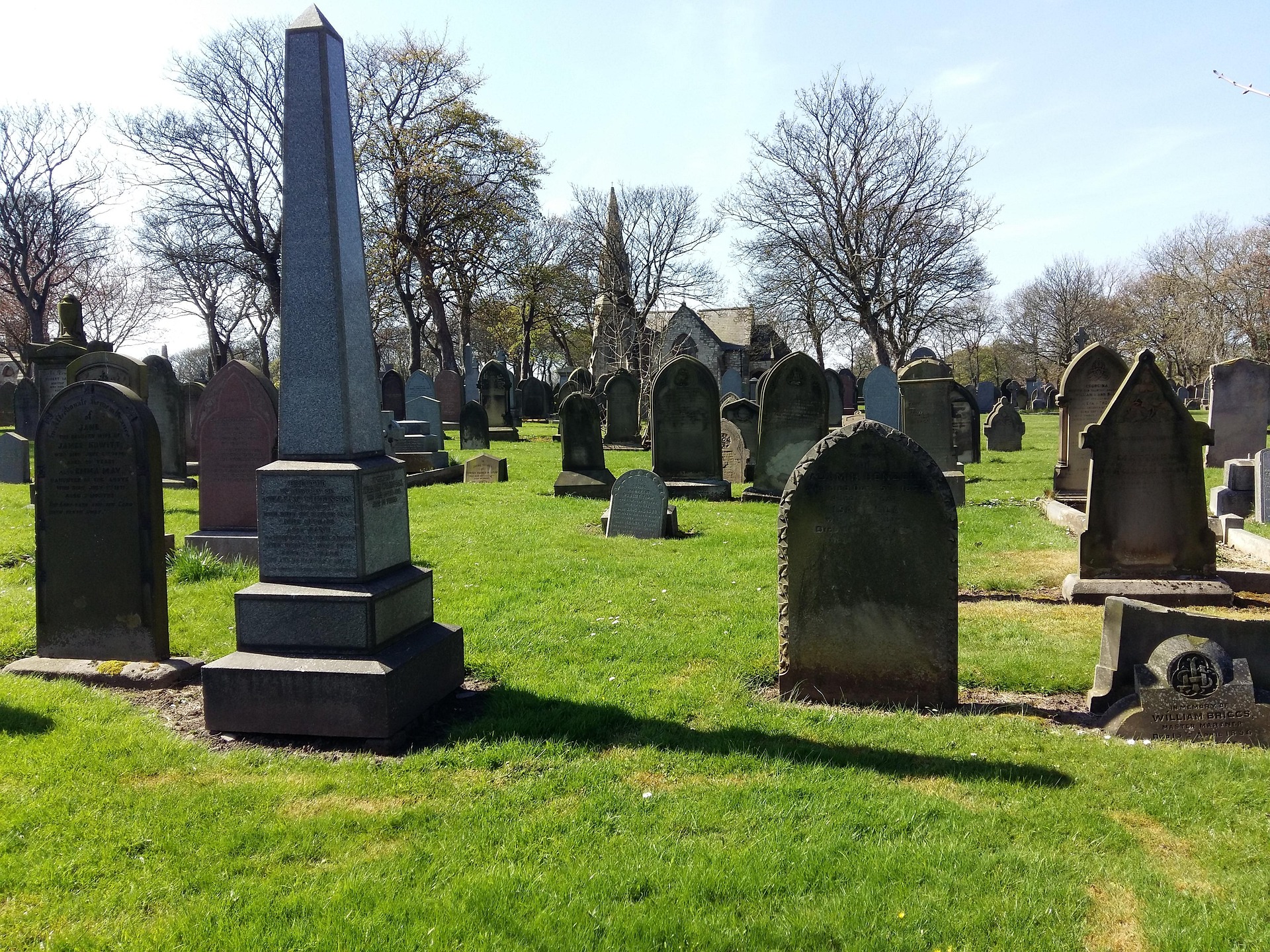
You’re buying a piece of land you’ll never use while you’re alive, from a company that knows you’re grieving, on a timeline that doesn’t allow for comparison shopping. The cemetery industry is built on that sequence.
Cemetery purchases are among the most emotionally pressured financial transactions a family makes — and the pricing structure takes full advantage of the moment. Here’s what most families don’t think to ask.
The plot is just the beginning — and often the smallest cost. A cemetery plot in a metropolitan area costs $1,000 to $5,000. But the grave opening and closing fee — the charge for digging the hole and filling it back in — adds $800 to $2,500. The vault or grave liner (required by most cemeteries) adds $1,000 to $5,000. A headstone or marker adds $1,000 to $10,000. And the cemetery may charge separate installation fees for the marker. The total for a complete burial can reach $15,000 to $25,000 — but the plot price is the only number most families hear during the initial conversation.
You’re not required to buy the vault from the cemetery. Most cemeteries require a burial vault or grave liner but cannot legally require you to purchase it from them. Under the FTC’s Funeral Rule, you have the right to buy a vault from a third-party supplier — often at 30% to 50% less — and the cemetery must accept it without a handling fee. Many families don’t know this because the cemetery presents its own vault options as the only choice.
Perpetual care doesn’t mean what you think. When a cemetery charges a “perpetual care” or “endowment care” fee, it sounds like your family’s plot will be maintained forever. In practice, perpetual care covers basic grounds maintenance — mowing, general landscaping — not the upkeep of your specific headstone, flowers, or grave site. Individual marker cleaning, re-leveling, and landscaping are either the family’s responsibility or available as additional paid services.
Pre-purchasing a plot can save money — but the contract needs scrutiny. Buying a plot before it’s needed — at “pre-need” pricing — is often significantly cheaper than purchasing at the time of death. But pre-need contracts vary in what’s locked in. The plot price may be fixed while opening/closing fees, vault costs, and marker installation fees remain subject to future pricing. Ask specifically which costs are guaranteed and which float with market rates.
Some cemeteries are non-profit — and their pricing reflects it. Municipal, religious, and community cemeteries often charge substantially less than for-profit cemetery chains. A church-affiliated cemetery may charge $500 for a plot that costs $3,500 at the commercial memorial park down the road. The services are comparable. The margin is not. Checking with religious institutions, municipal cemeteries, and veteran’s cemeteries (which provide free burial for eligible veterans) before visiting a commercial operation can save thousands.
Your rights to visit and decorate may be more restricted than you expect. Many commercial cemeteries restrict visiting hours, limit the type and size of decorations, prohibit upright headstones in certain sections (allowing only flat markers for easier mowing), and charge fees for seasonal decoration programs. These rules are disclosed in the purchase agreement but rarely discussed during the emotional sales process. Read the rules and regulations document before signing — particularly the sections on decorations, markers, and access.