Lifestyle
6 Things Your Cruise Line Hopes You Never Ask Before Booking
By Curtis Jones · August 9, 2026
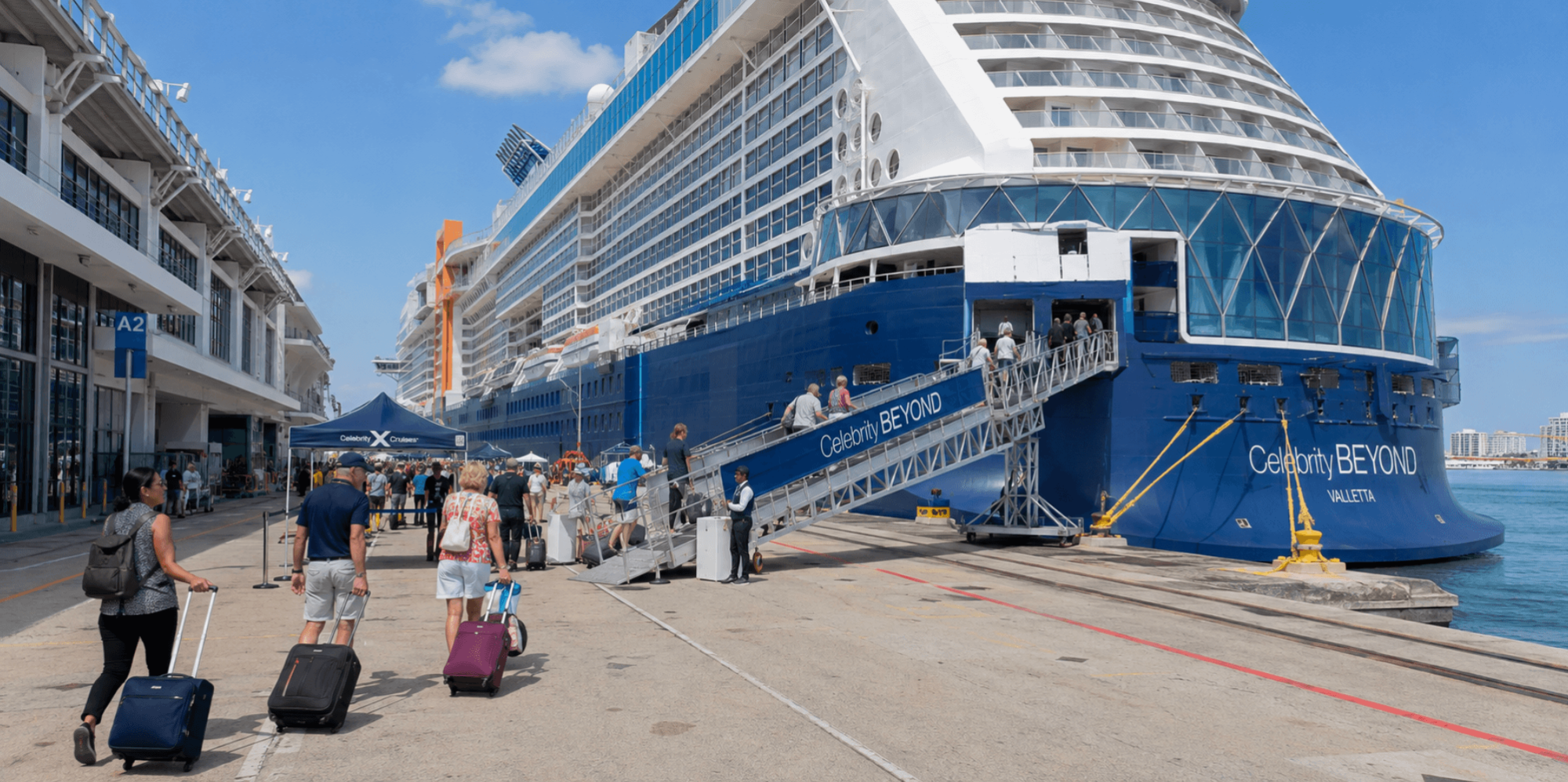
The fare was $599. The bill when you walked off the ship was $2,100. Nobody at the cruise line thinks that’s a surprise.
Cruise pricing works on the same principle as airline pricing, hotel pricing, and gym memberships: the advertised rate is the door, not the total. Here’s what most passengers discover too late.
Gratuities aren’t optional — they’re automatically added. Most major cruise lines add $16 to $25 per person per day in mandatory gratuities to your onboard account. On a seven-day cruise for two, that’s $224 to $350 before you’ve ordered a single drink. The fee appears in the fine print of the booking terms but is rarely mentioned during the sales process. You can technically request removal at guest services, but the social pressure and the crew’s dependence on the income make it functionally mandatory.
The onboard medical clinic charges emergency-room prices. A standard doctor’s visit on a cruise ship costs $150 to $300. An IV drip for dehydration or seasickness runs $500 to $1,000. X-rays, lab work, and medications are billed separately at rates comparable to a U.S. emergency room. Your regular health insurance may not cover medical care at sea, and Medicare doesn’t cover treatment outside the United States. Travel medical insurance is separate from trip cancellation insurance, and most passengers don’t have it.
Drink packages don’t always save money. Unlimited beverage packages cost $70 to $100 per person per day. To break even, you’d need to consume 6 to 8 alcoholic drinks daily. The packages are designed around heavy consumption — for moderate drinkers, paying per drink is cheaper. And once you buy a package, the cruise line benefits from the upfront revenue whether you drink enough to justify it or not.
Shore excursions booked through the cruise line cost 40% to 100% more than booking direct. The cruise line adds a substantial markup to third-party tours and activities. Booking the same snorkeling trip, city tour, or zipline experience directly through a local operator is almost always cheaper. The tradeoff: the ship guarantees it will wait for you if a ship-booked excursion runs late. Book independently and you’re on your own if you miss the departure.
The WiFi is expensive and slow. Internet packages range from $10 to $25 per day per device, with speeds that make video calls and streaming nearly impossible on most ships. The satellite connection serves thousands of passengers simultaneously. If staying connected matters to you, the cost over a week-long cruise can exceed $175 — for service that wouldn’t pass a basic speed test on land.
Cancellation policies are far more restrictive than hotels. Most cruise lines allow free cancellation up to 75 to 90 days before sailing. After that, penalties escalate sharply — often 25% at 60 days, 50% at 45 days, and 100% (no refund) at 14 days. Trip cancellation insurance covers some scenarios but typically excludes “change of mind” and pre-existing conditions unless purchased within a specific window after booking.
The cruise industry sells relaxation. The pricing model sells complexity. Knowing what’s included, what’s extra, and what the cancellation terms look like before you book is the difference between a vacation and a billing dispute.