Lifestyle
6 Things Your Electrician Hopes You Never Find Out
By Curtis Jones · July 31, 2026
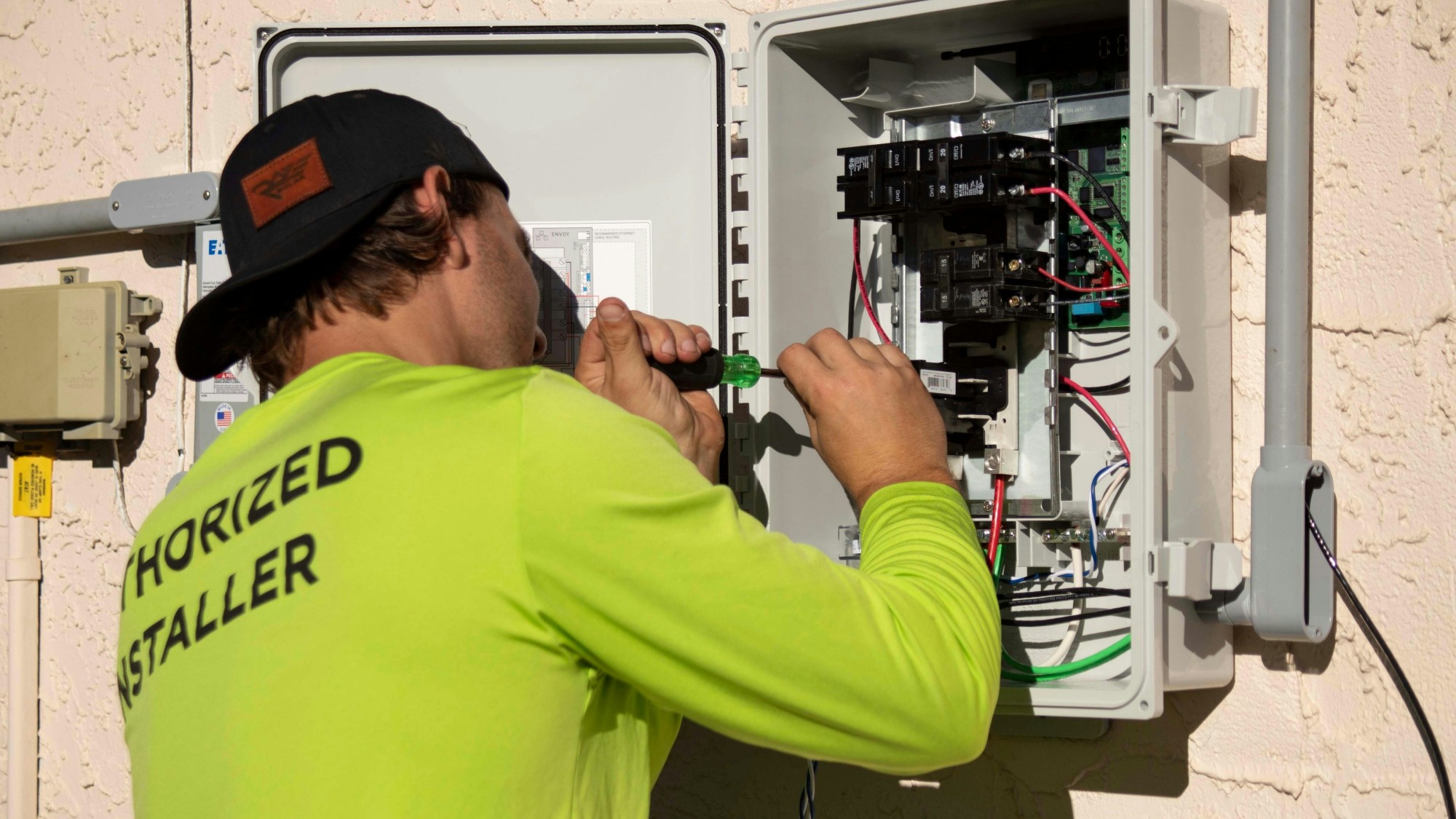
You called an electrician because a breaker kept tripping. The bill was $600. You have no idea whether that was reasonable.
Electrical work sits in a sweet spot for overcharging: it’s dangerous enough that most homeowners won’t do it themselves, technical enough that most can’t evaluate whether the work was necessary, and urgent enough that most won’t shop around. Here’s what the industry relies on you not knowing.
Most “emergency” calls aren’t emergencies. A breaker that trips once is a nuisance. A burning smell or visible sparking is an emergency. But many electricians charge emergency rates — often $150 to $250 just to show up — for calls that could safely wait until Monday. Unless there’s an active safety hazard, ask whether the issue can wait for regular business hours. The answer is usually yes.
Permit costs don’t go to your electrician. Electrical work often requires a permit from your local municipality, and electricians typically add the permit fee to your invoice. That’s legitimate. What’s less obvious is that some contractors inflate the permit line item beyond what the municipality actually charges. Your city or county’s building department will tell you the exact permit cost — it’s public information.
“Up to code” doesn’t mean your original work was illegal. Electricians frequently recommend upgrades “to bring it up to code,” implying your home’s existing wiring violates current standards. In most jurisdictions, older homes are grandfathered under the code that was in effect when the work was done. You’re typically only required to meet current code when doing new work or major renovations. An electrician who suggests your entire panel needs replacing because it doesn’t meet 2026 code may be recommending more work than the law requires.
The diagnostic fee is often applied to the repair — but not always. Many electricians charge a diagnostic or trip fee of $75 to $150 to assess the problem. Some apply that fee toward the repair if you hire them. Others don’t. It’s worth asking before they arrive whether the diagnostic fee is credited against the work, because that $150 difference can change whether their quote is competitive.
The hourly rate varies wildly by who shows up. A licensed master electrician, a journeyman, and an apprentice may all show up under the same company’s name. The master electrician’s time costs more — but the apprentice’s work gets billed at the same rate if the company uses flat-rate pricing. Ask who will be doing the work and whether the rate reflects their credential level.
Not every electrician carries adequate insurance. A licensed electrician should carry both general liability insurance and workers’ compensation coverage. If an uninsured or underinsured electrician is injured in your home or causes damage, you could be liable. Asking for proof of insurance before work begins is standard practice — and any electrician who hesitates to provide it is one you shouldn’t hire.
Electrical work is necessary and often non-negotiable. But like any trade where the customer can’t evaluate the work, the information gap between the person holding the wire and the person holding the checkbook is where margins are made. Closing that gap starts with knowing the right questions.