Lifestyle
6 Things Your Foundation Repair Company Hopes You Never Check Before Signing
By Erica Coleman · August 28, 2026
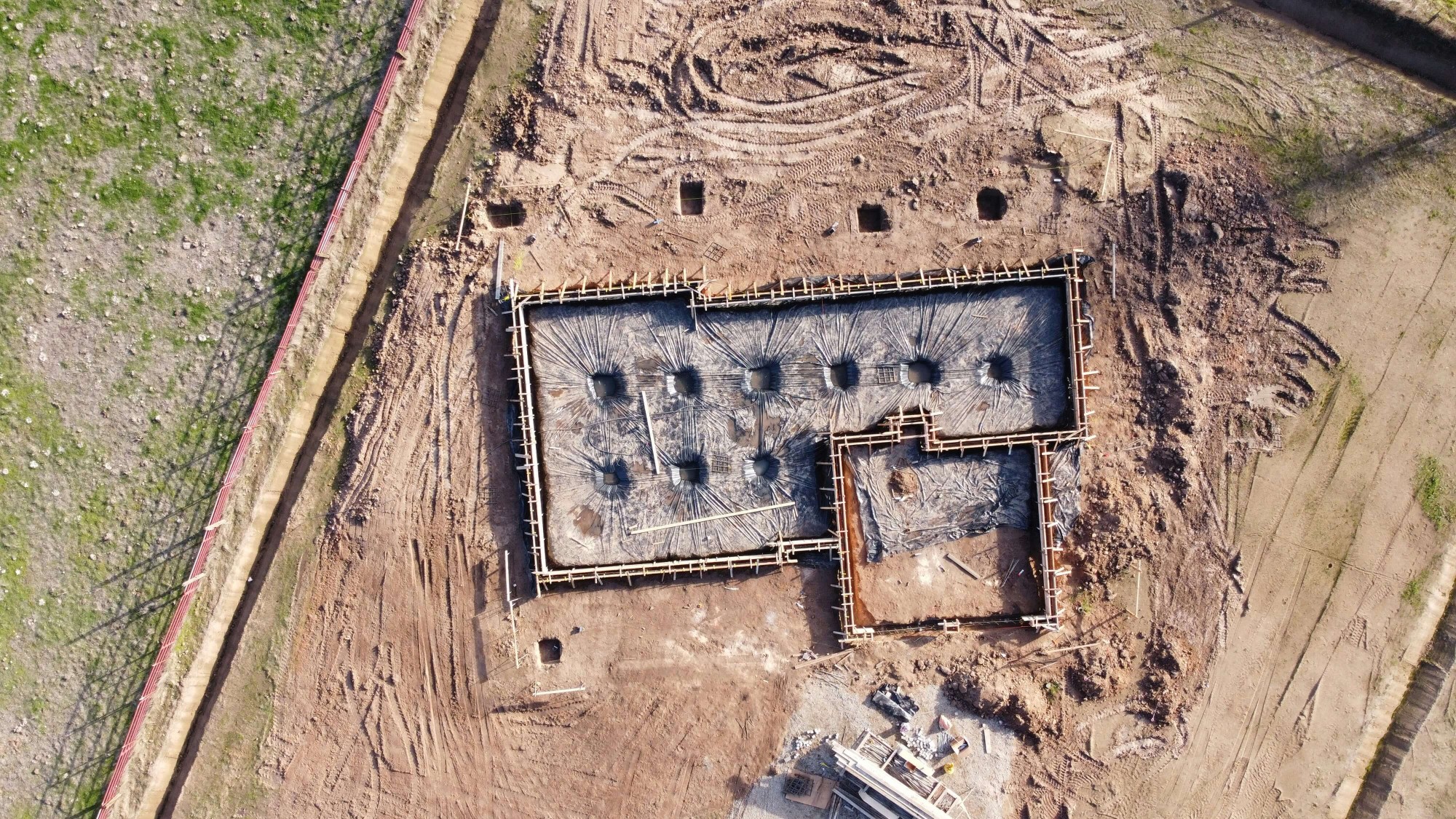
A crack appeared in your wall. A company showed up, pointed at it, and said your foundation is failing. The repair quote was $28,000. You’re about to spend it based on one person’s opinion — and they earn their living from the work they’re recommending.
Foundation repair is one of the highest-dollar decisions a homeowner faces, and the industry runs on fear. A hairline crack that’s been there for a decade gets reframed as an imminent structural failure. Here’s what to check before signing anything.
Cracks alone don’t mean you need foundation repair. This is the most important thing homeowners get wrong. Control joint cracking, hairline cosmetic cracks, and normal settling cracks are often misrepresented as indicators of severe foundation problems. A true foundation issue is typically defined as a one-inch drop over ten feet. Many companies skip that measurement entirely and go straight to the quote. If nobody measured the slab with a level or elevation survey before recommending $30,000 in work, the diagnosis is based on what they saw — not what they measured.
Their “engineer’s report” may not be independent. Some foundation repair companies use out-of-town engineers to rubber-stamp their repair plans — engineers who receive a fee for every report that recommends work. An independent structural engineer — one you hire yourself, who has no relationship with the repair company — provides an unbiased assessment. That assessment costs $300 to $800. It can save you from a $30,000 job you didn’t need.
Three quotes from the same company is a documented tactic. Some companies operate under multiple names with different phone numbers and websites, sending the same person to give you three “competitive” estimates. All three quotes come in high, and the homeowner believes they’ve done their due diligence. Verify that each company you contact has a separate address, a separate contractor license number, and a separate ownership structure.
The “lifetime warranty” has exclusions that void it for almost everything. Lifetime warranties sound comprehensive. In practice, they contain so many exclusions — soil conditions, drainage changes, new construction nearby, acts of God — that exercising the warranty is nearly impossible. If the company refuses to honor a warranty claim two years later by blaming “new cracks unrelated to the original repair,” you’ll spend more fighting the claim than the repair would cost.
They may recommend piers you don’t need. Helical piers and push piers cost $1,000 to $3,000 per pier, and a full-house underpinning can require 15 to 30 piers — pushing the total to $30,000 to $50,000 or more. In some cases, a $2,000 to $5,000 polyurethane injection or drainage correction solves the problem without a single pier. The company that only installs piers will only recommend piers. Ask whether any alternative repair method was considered.
The “free inspection” is a sales call. Foundation repair companies offer free inspections because the inspection is the sales opportunity. The person inspecting your home is typically a commissioned salesperson, not an engineer. Their income depends on selling work — not on telling you your foundation is fine. Paying $500 for an independent engineer’s assessment provides an opinion that isn’t attached to a commission.
Your foundation may need work. Or it may need nothing more than a drainage correction and five more years of monitoring. The only way to know which is true is to get an opinion from someone who doesn’t profit from the answer.