Lifestyle
6 Things Your Hearing Aid Company Hopes You Never Price‑Check
By Curtis Jones · August 17, 2026
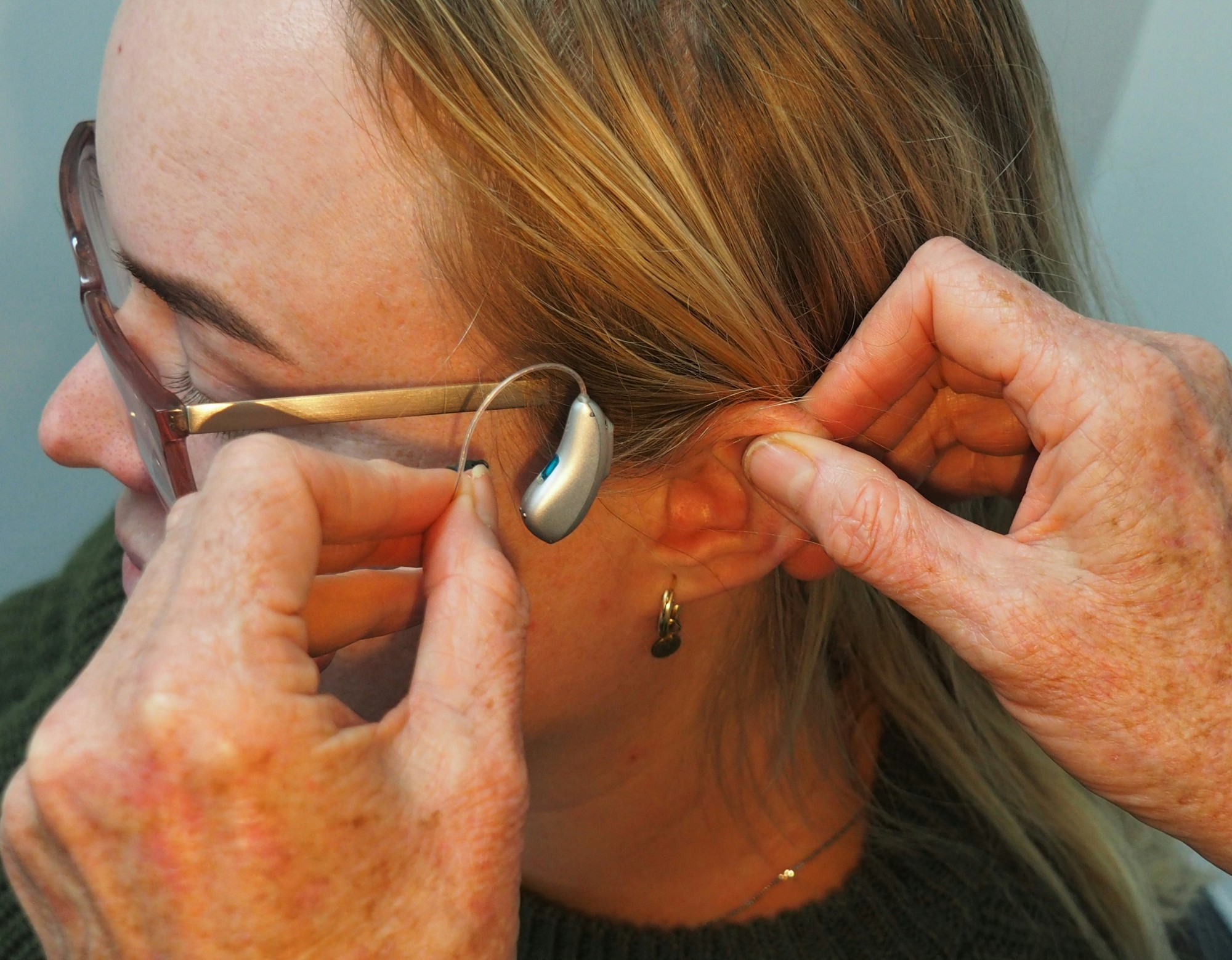
The audiologist said you need hearing aids. The price was $5,400. You paid it because you trust your doctor and you want to hear your grandchildren. What nobody mentioned is that the same technology costs $1,600 at Costco.
Nearly 29 million American adults could benefit from hearing aids but don’t use them. The number-one reason is cost — and the pricing structure of the traditional hearing aid industry is designed to keep that cost as high as possible.
The markup on hearing aids is 50% to 100% over wholesale. A hearing aid that costs the audiologist’s office $800 to $1,200 wholesale is sold to you for $2,000 to $3,500 — per ear. The dispensing markup can double the wholesale cost, and because prices are rarely posted or advertised, most patients have no way to comparison shop. The price you’re quoted is whatever the office decides to charge.
Costco sells the same technology for roughly half the price. Costco’s prescription hearing aids run $1,000 to $1,700 per pair — including fitting, follow-up adjustments, cleaning, and a two-year warranty with one free replacement for loss or damage. A private audiologist charges $4,000 to $7,000 for comparable devices from the same manufacturers. The technology inside is often identical or nearly so — rebranded under names like Rexton (which shares technology with Signia) and Jabra Enhance (made by GN Hearing).
“Bundled” pricing hides what you’re actually paying for. Most audiologists quote a single price that includes the device, the fitting, and future adjustments — a practice called bundled pricing. This makes it impossible to know how much of your $5,000 is the hearing aid and how much is the service. Unbundled pricing — paying separately for the device and the services — is growing but still uncommon. Ask for an itemized breakdown before agreeing to any purchase.
Over-the-counter hearing aids start at $200 and work for most mild-to-moderate loss. Since the FDA created an OTC category in 2022, quality hearing aids for mild-to-moderate hearing loss have been available without a prescription for $200 to $1,500 per pair. Brands like Jabra Enhance, Sony, and Sennheiser sell directly to consumers. OTC isn’t right for severe loss — but it’s a legitimate option for the majority of first-time users who are being quoted $5,000 at a clinic.
Medicare doesn’t cover hearing aids — and most patients don’t know that until the bill arrives. Traditional Medicare does not cover hearing aids or routine hearing exams for the purpose of fitting aids. Some Medicare Advantage plans include limited hearing benefits, but they’re typically capped at $500 to $1,500 — a fraction of the traditional retail price. Patients who assume Medicare will pay discover the gap at the worst possible moment.
Your hearing aids should last 5 to 7 years — not 3. Some audiologists recommend replacing hearing aids every three years. Modern devices are designed to last five to seven years with proper maintenance. Replacing a $5,000 pair every three years costs $25,000 over 15 years. Replacing a $1,600 pair every five years costs $4,800. The replacement timeline the office recommends may reflect their revenue cycle, not your hearing needs.
Hearing loss is a medical condition. Hearing aids are a medical device. But the pricing operates like a luxury market — opaque, inflated, and resistant to comparison shopping. Knowing what you’re paying for, and what alternatives exist, is the only way to hear better without going broke.