Lifestyle
6 Things Your Septic System Company Hopes You Never Check Before Paying
By Mike Harper · September 10, 2026
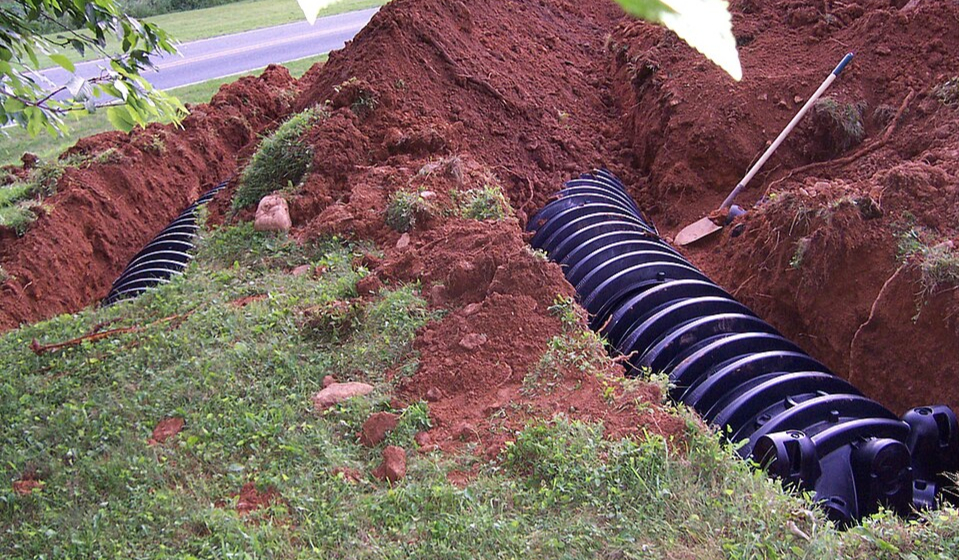
The truck showed up, pumped your tank, and handed you a bill for $600. You have no idea whether the tank actually needed pumping, whether they pumped it completely, or whether $600 is a reasonable price. That’s how the septic business works.
Roughly 21 million American households — about one in five — rely on a septic system. The industry that services them is largely unregulated at the consumer level, and the combination of underground infrastructure you can’t see, urgent-sounding warnings you can’t verify, and a product you’d rather not think about creates ideal conditions for overcharging.
Your tank may not need pumping as often as they say. The standard recommendation is to pump every three to five years, depending on household size and tank capacity. Some companies recommend annual pumping — which generates recurring revenue but isn’t necessary for most residential systems that are functioning properly. A family of four with a 1,000-gallon tank typically needs pumping every three to four years. A company that shows up annually without evidence of need is selling a schedule, not a service.
“Full” doesn’t mean what they say it means. A working septic tank is always “full” — that’s how it functions. Wastewater enters, solids settle to the bottom, liquids flow out to the drain field. A technician who opens the lid, says “it’s full,” and recommends immediate pumping is describing normal operation as a problem. The tank needs pumping when the sludge layer at the bottom reaches roughly one-third of the tank’s capacity — which can be measured with a sludge judge or similar tool. If nobody measured the sludge before recommending service, the recommendation isn’t based on your system’s condition.
The price varies by 100% or more within the same county. Septic pumping costs range from $275 to $600 or more depending on your location, the company, and whether they charge extra for digging up the access lid, travel distance, or disposal fees. Calling three companies for a quote before scheduling takes 10 minutes and can save $150 to $250 on a routine pump.
Additives don’t work — and may cause harm. The septic additive industry sells billions of dollars in products — enzymes, bacteria boosters, “septic treatment” chemicals — that claim to reduce the need for pumping or improve system performance. The EPA does not recommend the use of septic additives, and some studies have shown that certain chemical additives can damage the drain field by breaking up solids that then flow out and clog the soil. Your septic system has its own bacterial ecosystem that doesn’t need help from a bottle.
The drain field inspection is what they skip — and it’s what actually matters. A pump-out removes sludge from the tank. It tells you nothing about the condition of your drain field — the underground network of pipes that distributes liquid effluent into the soil. A failing drain field is a $10,000 to $30,000 repair. Wet spots in the yard, slow drains, and sewage odors near the drain field are warning signs. A thorough septic service should include a visual inspection of the drain field area — not just the tank. If the company pumps and leaves without checking the field, they’ve done half the job.
Your county may have inspection records you’ve never seen. Many counties require septic inspections at property transfer and maintain records of system age, capacity, and condition. These records — available through the county health department or environmental services office — tell you when the system was last inspected, what was found, and whether any permits were pulled for repairs. Checking these records before hiring a service company gives you baseline data that the company may not volunteer.