Lifestyle
6 Things Your Window Replacement Company Hopes You Never Check Before Signing
By Curtis Jones · August 19, 2026
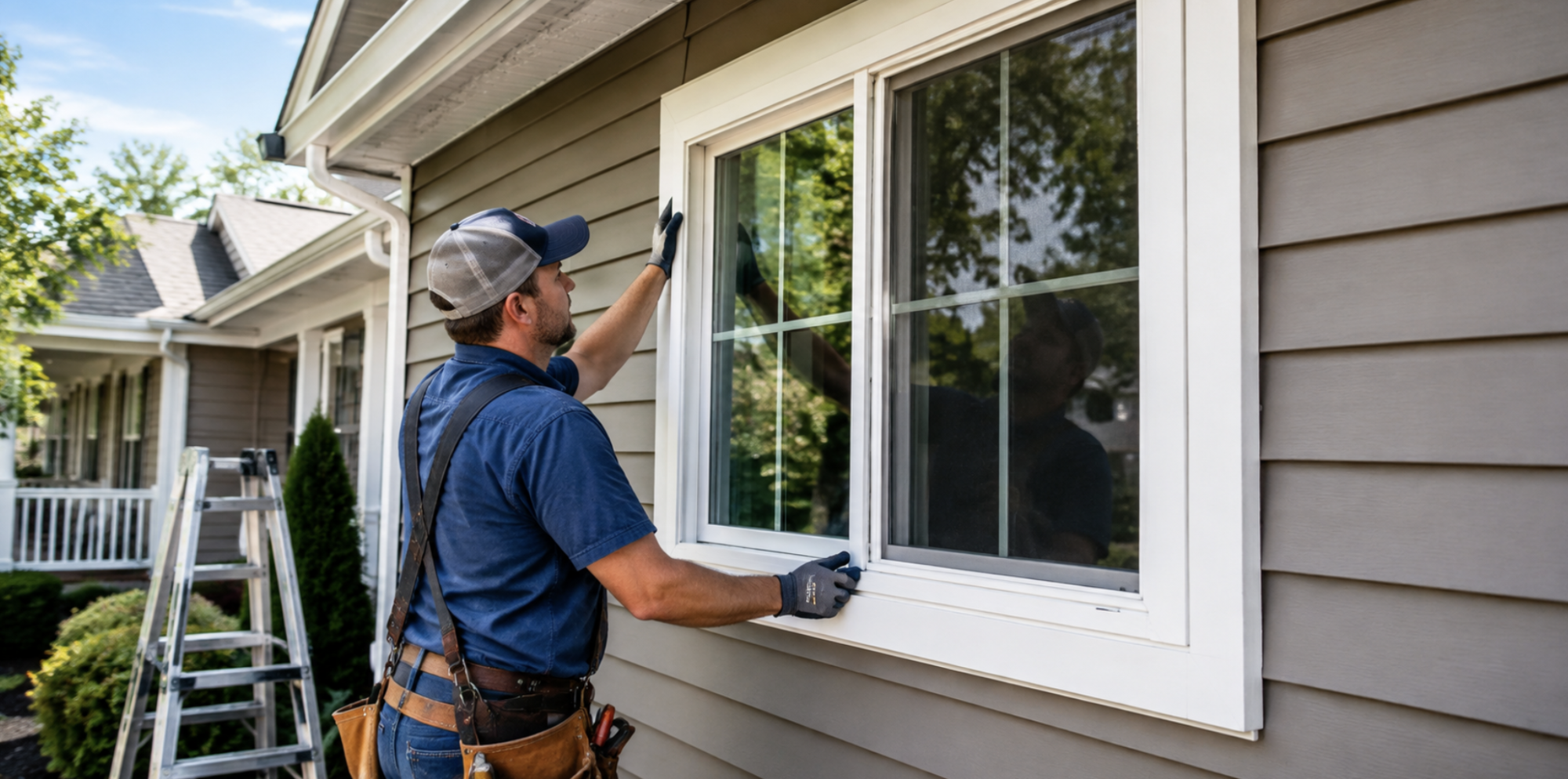
They knocked on your door. They said your windows are costing you hundreds in energy bills. They quoted $18,000 and offered to start tomorrow. What they didn’t mention is that you probably don’t need to replace all of them — and the ones you do need cost half that price somewhere else.
The window replacement industry generates billions in annual revenue and runs on one of the oldest playbooks in home improvement: create urgency, inflate the scope, and close before the homeowner can comparison shop. Here’s what to check before you sign.
The “energy savings” estimate is almost always inflated. Window companies routinely claim that new windows will reduce your energy bills by 30% to 40%. The Department of Energy estimates that replacing single-pane windows with Energy Star-rated double-pane windows saves roughly $101 to $583 per year depending on your climate zone and home size. If your current windows are already double-pane, the savings from upgrading to triple-pane or better low-E coatings are marginal — often under $100 per year. At $15,000 to $20,000 for a full-house replacement, the energy payback period can exceed 50 years.
You may only need to replace a few windows — not all of them. A company that inspects your home and recommends replacing every window is almost certainly upselling. Windows in different locations age at different rates. North-facing windows protected from direct sun may last decades longer than south- or west-facing ones. Ask which specific windows are failing — condensation between panes, visible rot, hardware failure — and replace only those. A targeted replacement of 4 to 6 windows costs $3,000 to $6,000 versus $15,000 to $25,000 for a full house.
The “today only” discount disappears and reappears every day. High-pressure window companies are notorious for offering dramatic same-day discounts — “40% off if you sign today” — to prevent you from getting competing quotes. The discount is a sales tactic, not a real price reduction. If the company won’t honor the price for 48 hours while you get a second estimate, the price was never real.
Not all vinyl windows are the same quality. Vinyl is the most common residential window material, but the quality ranges enormously. Thin-walled, single-cavity vinyl frames with basic glass packages are sold at the same markup as premium multi-chamber frames with high-performance low-E coatings and argon gas fill. Ask for the U-factor (lower is better for insulation) and the Solar Heat Gain Coefficient. If the salesperson can’t produce these numbers, they’re selling you a brand name, not a performance specification.
The installation matters more than the window. A premium window installed poorly will underperform a mid-grade window installed correctly. Air leakage around the frame, improper shimming, missing insulation in the rough opening, and inadequate flashing all compromise performance. Ask who does the installation — the company’s own certified crew or subcontractors — and whether the installation carries a separate warranty from the window manufacturer’s warranty. If the installer is a different company from the one selling you the windows, accountability gets complicated if something goes wrong.
The manufacturer’s warranty and the company’s warranty are different documents. The window manufacturer typically warrants the glass and frame for 20 to 25 years. The installation company warrants the labor — often for just 1 to 5 years. A seal failure at year 8 may be covered by the manufacturer. A leak at year 3 caused by poor installation may not be covered by anyone if the installer has gone out of business. Read both warranties before signing — and verify that the installation company has been operating for more than a few years.