Lifestyle
7 Things Medical Alert System Companies Hope You Never Ask
By Mike Harper · September 19, 2026
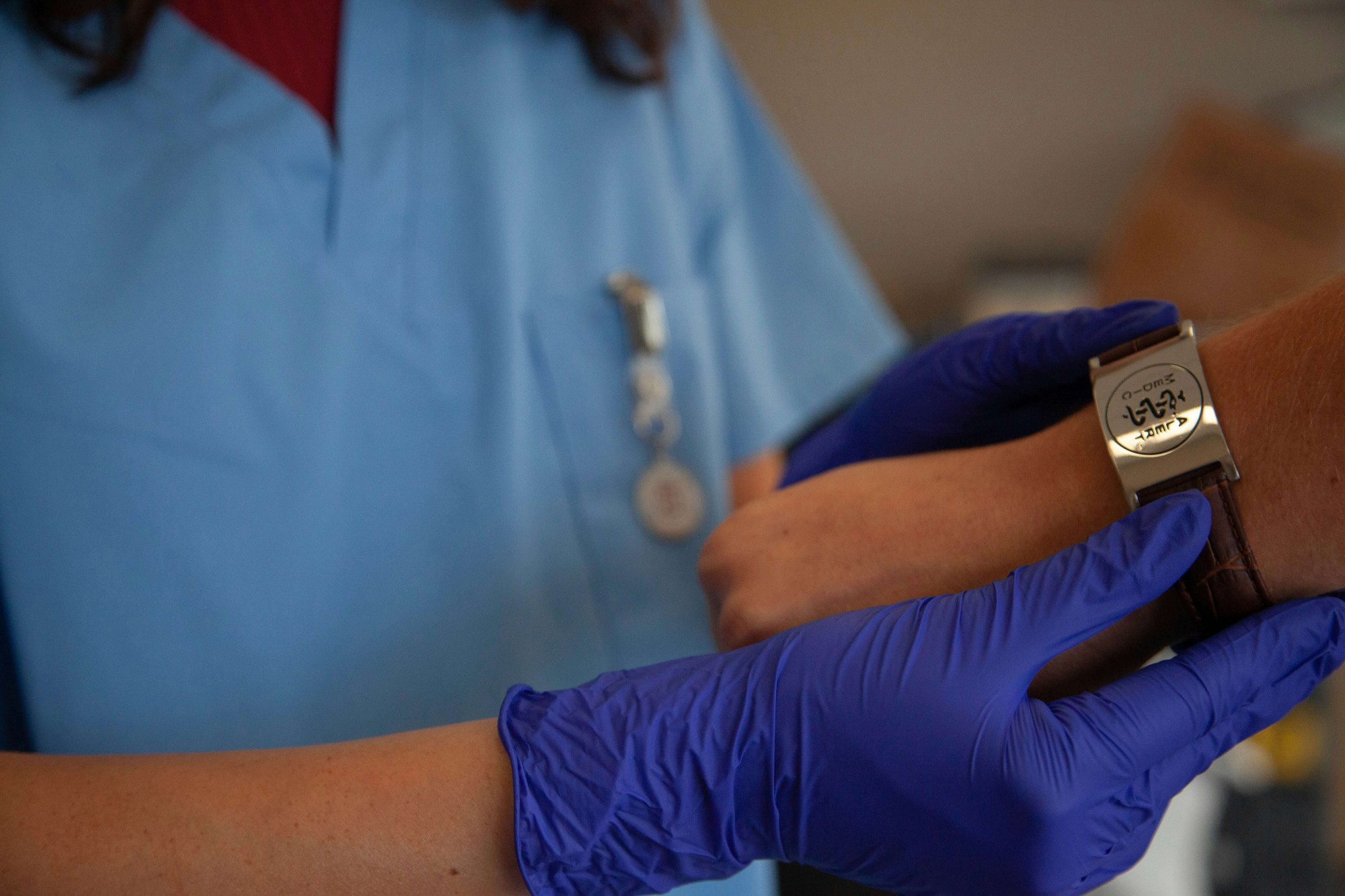
The “life-saving” medical alert pendant is one of the most heavily marketed products aimed at older Americans. Billions in ads target adult children worried about aging parents — and the industry has plenty of legitimate, life-saving companies. It’s also full of predators who count on the fact that most families making these decisions are stressed, rushed, and unlikely to read the fine print.
Here’s what medical alert companies hope you never ask before you sign.
The “no contract” pitch often has a minimum term buried in the fine print. Many companies advertise “no long-term contracts” or “cancel anytime” — but industry reviewers have documented monthly plans that carry a hidden three-month minimum commitment, only revealed in the terms and conditions. Ask specifically: “Is there a minimum term, even on the monthly plan?” Get the answer in writing.
“Free cancellation” often comes with a restocking fee. Companies market free returns and free cancellation, then charge a restocking fee that runs $50 or more when you actually cancel. That’s not “free” and it’s not a “refund” — it’s a cancellation penalty. Ask up front what fees apply if you cancel after 30 days, six months, or a year.
The equipment isn’t supposed to be a separate charge. Reputable medical alert companies build equipment into the monthly monitoring fee. If a salesperson pushes an “activation fee,” “equipment fee,” or “setup fee” on top of the monthly rate, that’s a red flag. Legitimate providers rarely charge separately for equipment on a standard monitoring plan.
The urgency is the sales tactic. “Today only.” “This offer expires at midnight.” “Limited stock.” Medical alert marketing leans hard on manufactured urgency because it works on stressed adult children calling about a parent who just fell. No legitimate provider needs you to sign today. If the salesperson won’t hold the quoted price for a week, walk away.
“Free” pendants offered by robocall are usually not free — and often outright fraud. Robocalls that claim a loved one or a doctor has already paid for a “free” medical alert system are among the most common consumer scams reported by the Council of Better Business Bureaus. The Federal Trade Commission secured a $3.4 million judgment against Brooklyn-based Instant Response Systems and its owner for calling elderly consumers and bullying them into paying for medical alert devices they never ordered. If you didn’t request the call, hang up.
Fall detection is often an upcharge — and it may not work the way you think. Automatic fall detection is one of the most-marketed features, but many companies charge extra for it — often $10 to $15 more per month — and the technology has known limits. It doesn’t reliably detect slow slides to the floor, and some devices generate false alarms. Before paying the upcharge, ask what percentage of falls the device is expected to detect and what happens with a false alarm.
The monitoring center matters more than the pendant. What you’re actually paying for isn’t the button — it’s the 24/7 monitoring center staffed with humans who answer when you press it. Quality varies wildly. Ask where the monitoring center is located, whether it’s staffed 24/7 with U.S.-based operators, and whether the response center is certified by a recognized industry standard like TMA Five Diamond or UL. If the answer is vague, that’s the answer.
A medical alert system can genuinely save a life. Choosing the right one takes fifteen minutes of asking questions the company hopes you’ll skip.