Politics
A Federal Judge Reluctantly Erased the Seditious Conspiracy Convictions of Oath Keepers Leaders
By Mike Harper · August 5, 2026
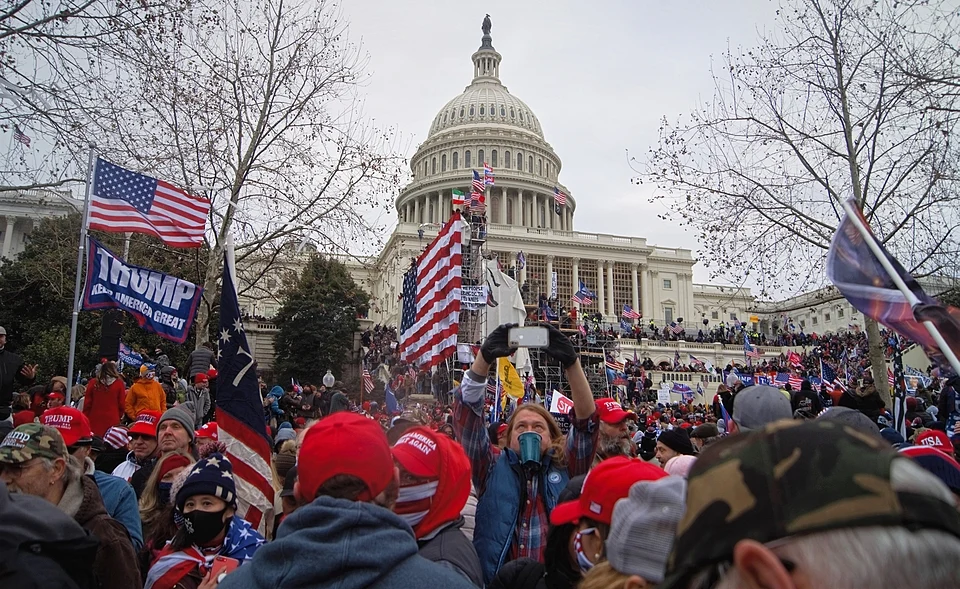
The judge who presided over both trials called it an epilogue that diminishes everything that happened on January 6. Then he signed the order.
U.S. District Judge Amit Mehta on Tuesday dismissed the seditious conspiracy case against Oath Keepers founder Stewart Rhodes and eight other members of the far-right group, erasing the most serious convictions to come out of the January 6 Capitol attack. The ruling came at the Justice Department’s request.
“This is the last of the prosecutions seeking to hold accountable those responsible for the events of January 6.” Mehta wrote.
Rhodes was convicted of seditious conspiracy in November 2022 — a rare, Civil War-era charge involving attempts to overthrow the government by force — and sentenced to 18 years in federal prison, the longest sentence of any January 6 defendant. Four more members were convicted in a second trial in 2023. All nine had already been freed from prison after Trump pardoned nearly all 1,600 people charged in the attack and commuted sentences for the rest.
But the pardons left the convictions on the record. This ruling erases them entirely.
Prosecutors under the Trump administration argued dismissal was appropriate given the president’s directive to drop all pending January 6 cases, issued on his first day back in office. They did not claim the evidence was weak or the trials unfair. They simply exercised prosecutorial discretion.
Mehta made clear he disagreed.
“Today’s epilogue diminishes the gravity of that day, denigrates the work of the prosecutors and law enforcement officers who secured these convictions, and excuses criminal acts that caused a centuries-long pillar of our democracy — the peaceful transfer of presidential power — to buckle.” Mehta wrote in the ruling.
The Justice Department also moved to vacate seditious conspiracy convictions against members of the Proud Boys for their role in the attack. Those dismissals were granted by a different judge weeks earlier.
The Oath Keepers moved in military-style “stack” formations when they breached the Capitol on January 6, 2021. The subsequent investigation revealed that Rhodes had coordinated with members in advance, stockpiled weapons at a Virginia hotel, and discussed using force to prevent the certification of President Biden’s election. Jurors heard weeks of testimony and deliberated for three days before convicting him.
None of that is in dispute. What changed was not the facts but the politics — and the question of who gets to decide when a conviction no longer serves the interests of justice.
The eight defendants whose cases were dismissed Tuesday were among the few January 6 defendants Trump did not fully pardon. Without the DOJ’s decision to intervene, their convictions would have stood. Now they don’t.