U.S. News
Pam Bondi Declines House Interview Request in Epstein-Linked Inquiry
By Mike Harper · April 9, 2026
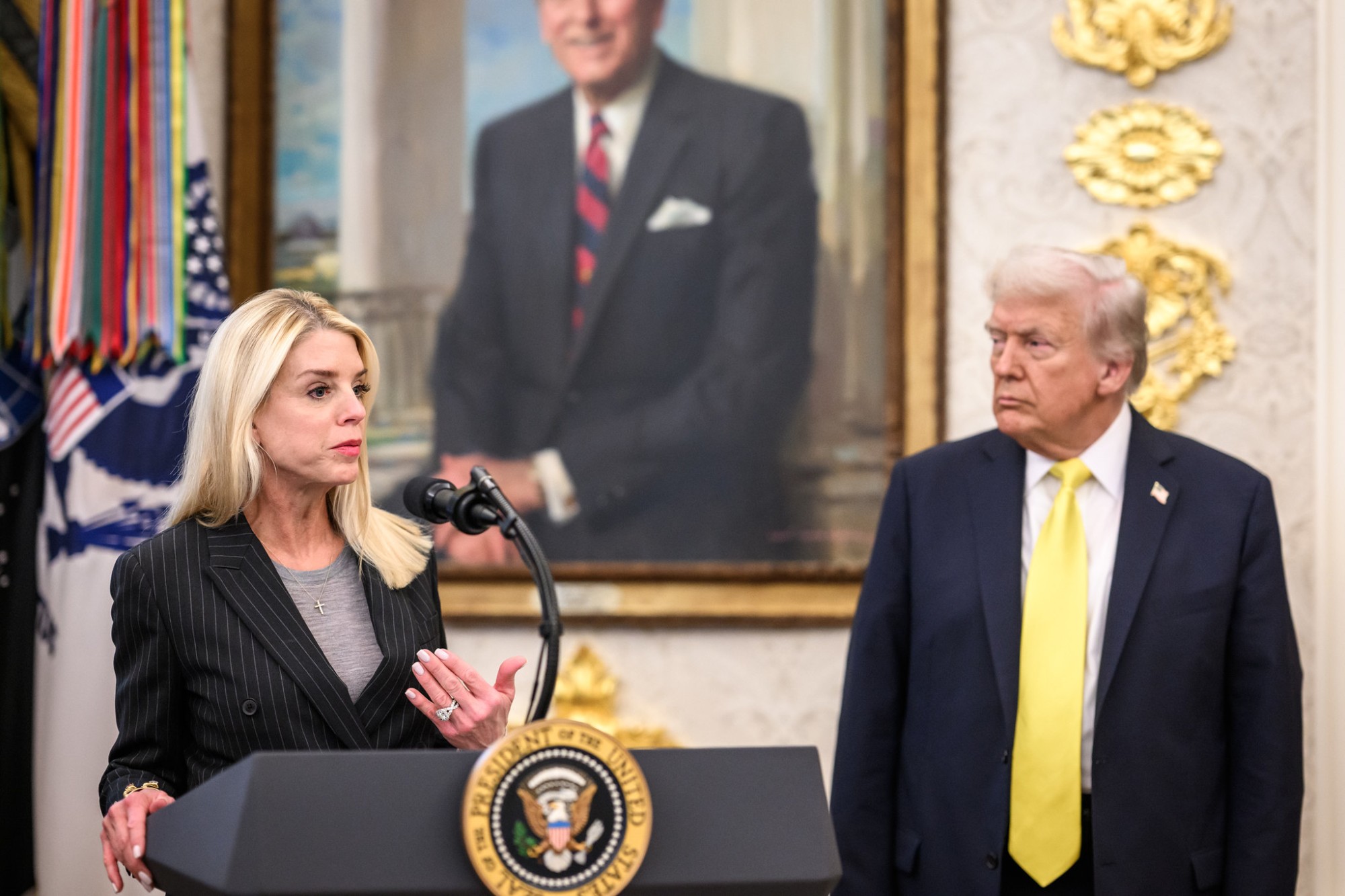
Pam Bondi isn’t going to sit down with lawmakers. At least not voluntarily.
The former Florida attorney general has declined a request to appear for a House interview tied to the ongoing review of the Jeffrey Epstein case — a case that continues to surface in phases, often years after the core events took place.
There wasn’t a long explanation attached to the decision.
Just a confirmation that she won’t participate.
According to Reuters, Bondi will not appear for the requested interview, which lawmakers had hoped would help clarify decisions made during earlier stages of Epstein’s legal treatment, particularly at the state level. That request is part of a broader congressional effort to revisit how the case was handled and whether key opportunities for further action were missed.
That broader effort has been building for a while.
The Epstein case has never fully settled into the past. It tends to re-emerge — through document releases, lawsuits, or renewed political attention — and when it does, the focus often shifts to who was involved in earlier decisions and how those decisions were made.
Bondi’s tenure intersects with that timeline.
During her time as Florida attorney general, questions were raised about prosecutorial choices connected to Epstein. No formal wrongdoing has been established against her, but the scrutiny has remained part of the conversation, particularly as more information has surfaced over time.
And that’s part of what Congress is trying to map out.
Not just what happened, but how decisions were made — and whether they would look different today under current standards of accountability.
That’s where the interview request fits in.
But declining to participate changes the path forward.
Congressional committees can compel testimony if they choose to escalate. Subpoenas remain an option. But that step introduces a different set of considerations — legal, political, and procedural — and it’s not always used immediately.
So for now, the process slows rather than stops.
There’s also the political layer, which doesn’t sit quietly in the background.
Some lawmakers argue that additional testimony is necessary to build a clearer record of how Epstein’s case unfolded. Others caution against expanding the scope too far, particularly if it begins to focus on individuals without new evidence of wrongdoing.
That divide shapes how each development is interpreted.
A refusal to appear can be seen as routine — or as significant — depending on where someone is sitting.
And that ambiguity tends to keep the story active.
Because the Epstein case, even now, isn’t just about the crimes themselves. It’s about the network around them, the decisions made in response, and the lingering question of whether those decisions were sufficient.
Bondi’s decision doesn’t answer any of those questions.
It just leaves them where they are.
Open.