Business
47,000 Samsung Workers Are Going on Strike Thursday
By Mike Harper · May 20, 2026
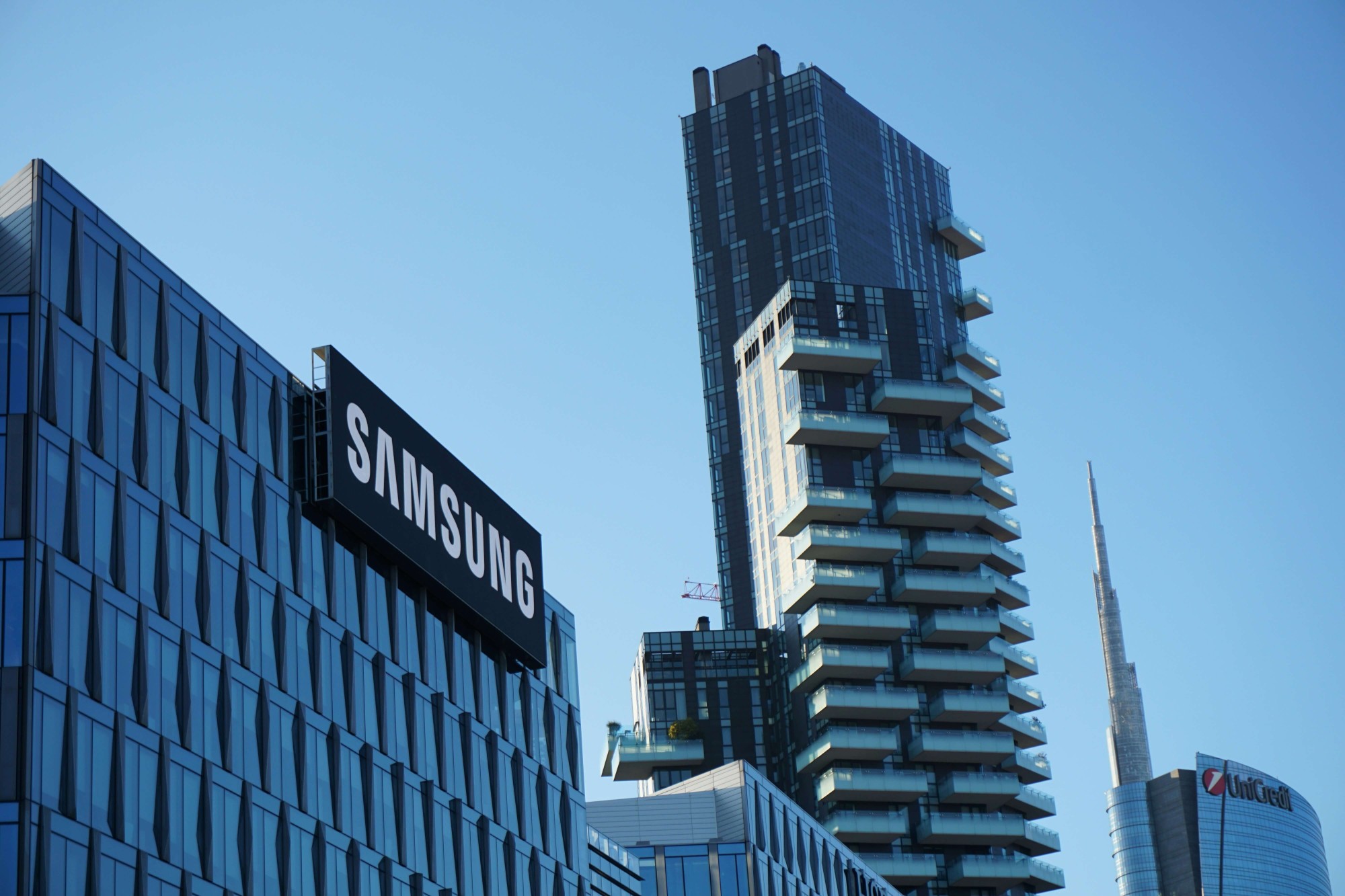
In 2024, Samsung Electronics paid no performance bonuses. Its chip division had posted operating losses throughout the memory downturn, and workers accepted it. In Q1 2026, Samsung’s operating profit increased eightfold to a record. Workers received nothing.
On Thursday, 47,000 Samsung Electronics union workers will walk off the job for 18 days. If the strike holds, it will be the largest work stoppage in the history of the global semiconductor industry — at the single most important chokepoint in the supply chain that powers AI, smartphones, and the modern economy. Samsung’s shares fell 3% on the announcement.
The specific grievance is a comparison that the workers can see in real time. SK Hynix — Samsung’s main rival in memory chips — settled with its own union in September 2025, agreeing to allocate 10% of annual operating profit directly to employees. Based on 2026 profit forecasts, that translates to average payouts of $460,000 to $477,000 per SK Hynix worker. Samsung workers — doing the same job, for the company that invented much of the technology the industry runs on — are being offered nothing comparable.
Union chairman Choi Seung-ho told reporters that roughly 200 Samsung employees have left for SK Hynix in the past four months. “The chip industry is booming, but those gains aren’t trickling down to us,” he said. “That’s why we’re fighting.”
The union estimated that an 18-day strike could cost Samsung approximately 30 trillion won — roughly $20 billion — in lost production and customer trust damage. Samsung officials have privately said that even a single strike could “take years to recover from” in terms of customer confidence, since reliability is the foundation of the semiconductor supply relationship.
South Korea’s government attempted mediation. The National Labor Relations Commission proposed a compromise. Samsung rejected it. The union had already accepted the mediator’s proposal. There was nothing left to do but strike.
For consumers and businesses in the United States, the stakes are downstream but real. Samsung is the world’s largest producer of memory chips — the components that go into every AI data center, every smartphone, every laptop. A sustained interruption to production at Samsung’s Pyeongtaek facility, which houses the world’s largest semiconductor complex, would reduce the supply of AI training chips at the exact moment that demand has never been higher. Prices for memory chips could rise. AI buildout timelines could slip.
The memory chip shortage of 2021, driven primarily by pandemic demand surges, added months to delivery timelines for cars, appliances, and electronics and contributed to a significant portion of the post-pandemic inflation spike. An 18-day labor strike at the world’s largest memory producer carries a different risk profile — it is more concentrated and more controllable — but it is not trivial.
The strike begins Thursday at Samsung’s facilities in Pyeongtaek, South Korea.