Business
Trump Wants to Suspend the Gas Tax. Here’s the Math.
By Mike Harper · May 12, 2026
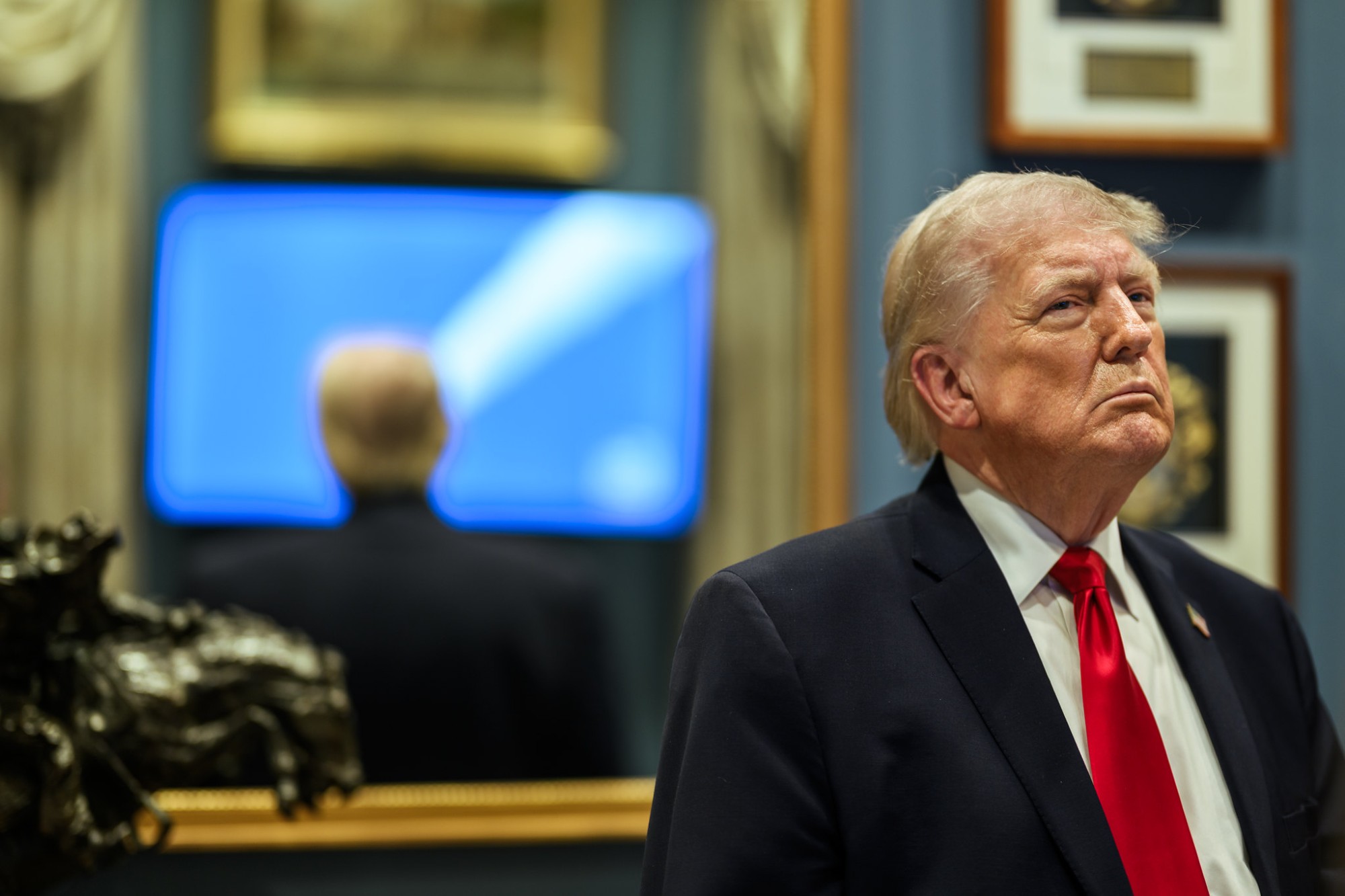
President Trump called Monday for Congress to suspend the federal gas tax, describing it as “a great idea” that would provide immediate relief to American drivers paying $4.39 per gallon nationally. Republicans in Congress are now debating whether to move forward. Before the politics land anywhere, it is worth doing the math.
The federal gasoline tax is 18.4 cents per gallon. At the current national average of $4.39, suspending it would reduce the price at the pump by approximately 4.2%. A driver who fills a 19-gallon tank pays $83.41 today. With the tax suspended, they would pay $80.91. That is $2.50 per fill-up.
The average American drives about 15,000 miles per year and gets roughly 28 miles per gallon. That means approximately 536 gallons consumed annually. A full suspension of the federal gas tax for a calendar year would save that driver approximately $98.
That is real money. It is also not the relief people feel when they see $4.39 on a sign they drove past last year when it said $2.98.
The reason gas costs $4.39 is not the gas tax. It is the Strait of Hormuz. The naval blockade of Iranian ports has reduced global seaborne oil supply by an estimated 14 million barrels per day since March. That supply shock added approximately $1.07 per gallon to the national average — more than five times the amount the tax suspension would save. Suspending the gas tax while the blockade continues would reduce the price by 18 cents on a problem that costs drivers $1.07.
Senate Majority Leader John Thune told reporters Monday he was “open” to discussing a gas tax holiday but noted the revenue the tax generates — approximately $35 billion annually — goes directly to the Highway Trust Fund, which pays for road and bridge maintenance across the country. Suspending the tax would require either finding a replacement funding source or accepting a gap in infrastructure investment.
Former President Biden proposed a gas tax holiday in June 2022 during the post-pandemic price spike. Congress declined to pass it. Gas prices came down anyway, not because of legislative action but because global oil markets corrected. The same dynamic applies today: the most reliable path to lower gas prices is a Strait of Hormuz agreement that allows normal oil shipping to resume — a diplomatic achievement that 18.4 cents per gallon of tax relief does not accelerate or substitute for.
None of that means the proposal is without political logic. Voters experiencing $4.39 gas respond to visible action from their government, even if the visible action addresses a fraction of the problem. Whether Congress has the votes — and whether the Highway Trust Fund can absorb the gap — is the legislative question that will determine whether the political logic becomes actual policy.