Business
China Agreed to Buy $17 Billion in US Farm Goods. Here’s What That Number Actually Means.
By Mike Harper · May 18, 2026
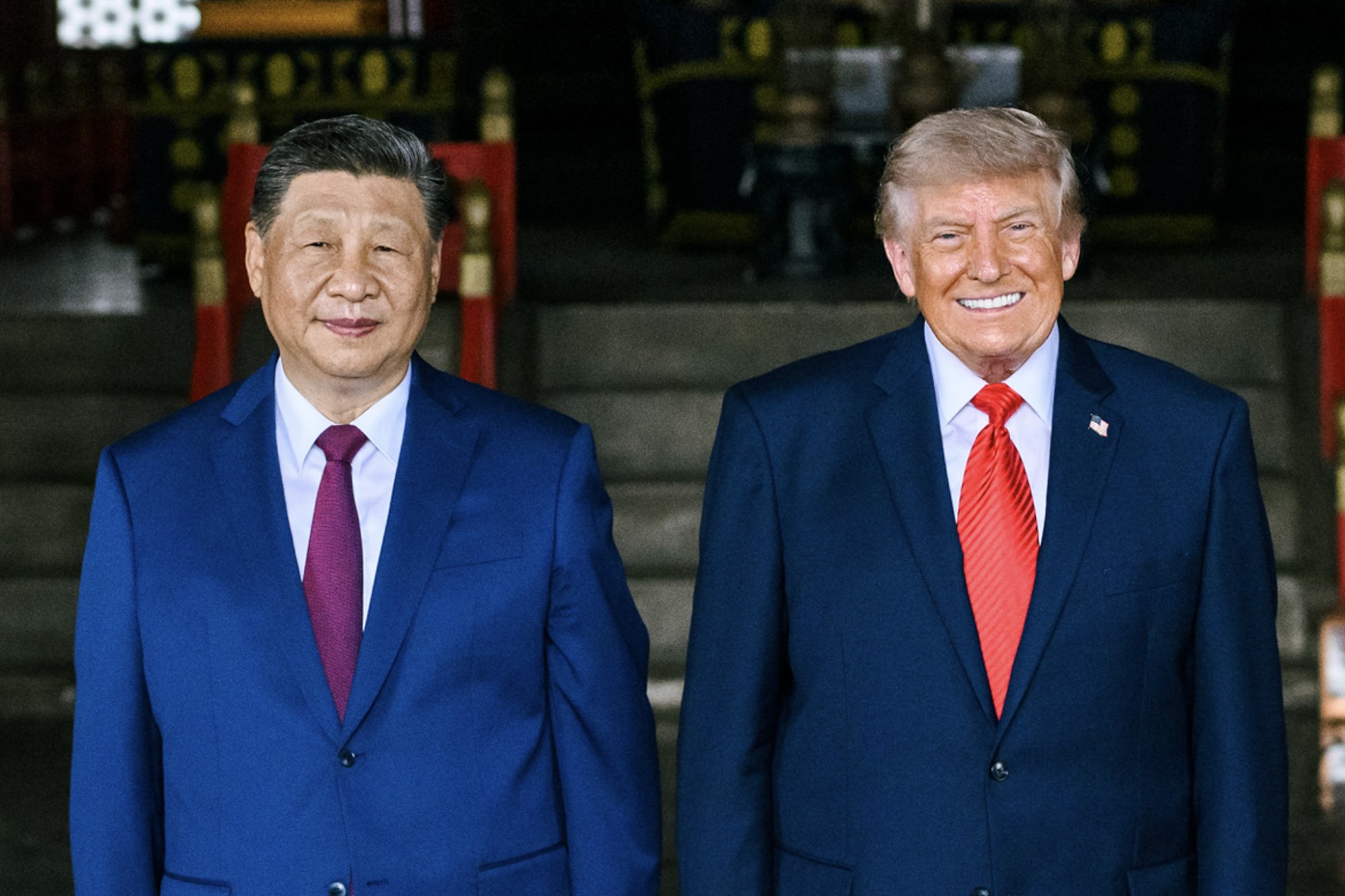
Two days after President Trump returned from Beijing calling the summit “fantastic,” the White House released a detailed fact sheet Sunday with one of the few concrete deliverables the trip produced: China has agreed to purchase at least $17 billion in US agricultural products annually through 2028, restoring market access for American beef and poultry.
There are several things about that announcement worth examining.
The $17 billion figure is real but misleading as a headline win. US agricultural exports to China peaked at $38 billion in 2022. By 2025, they had collapsed to $8 billion as the trade war drove China to Brazil, Argentina, and other suppliers. The new commitment restores less than half the peak relationship — and China has failed to meet prior US purchase commitments, most notably the 2020 Phase One agreement in which Beijing pledged to buy an additional $200 billion in US goods over two years and fell well short.
The Boeing deal is more straightforward: Xi agreed to an initial purchase of 200 Boeing aircraft, with potential for up to 750 if the relationship develops well. Boeing confirmed the deal explicitly. A company spokesperson said the trip “accomplished our major goal of reopening the China market to orders for Boeing aircraft.” That is a concrete, named, confirmed agreement — unlike much of the rest of the summit’s output.
The tariff situation is where the accounts diverge. On the flight home from Beijing, Trump told reporters aboard Air Force One: “We didn’t discuss tariffs. They’re paying substantial tariffs, but we didn’t discuss.” China’s Ministry of Commerce released a different readout. Beijing said the two sides would “adopt a series of measures, including mutually cutting levies on certain products.” The White House fact sheet was silent on tariffs. China’s readout mentioned them. Someone’s version of this summit is incomplete.
The White House did release one line on Iran that represents a potentially significant diplomatic signal: both leaders “agreed Iran cannot have a nuclear weapon, called to reopen the Strait of Hormuz, and agreed that no country or organization can be allowed to charge tolls.” For Iran analysts, Xi’s agreement to the Strait language matters — China is Iran’s largest oil customer and has the most direct economic leverage over Tehran. Beijing’s willingness to associate itself publicly with the demand to reopen the waterway, even in diplomatic language, is a meaningful signal even if it is not a commitment to action.
The summit also produced two new institutional structures — a US-China Board of Trade and a US-China Board of Investment — designed to manage the economic relationship. Neither has been established yet. Both are aspirational frameworks. Their value depends entirely on whether they produce anything in the months ahead.
For American farmers — the constituency with the most direct stake in Sunday’s announcement — the $17 billion commitment is real if it holds. The caveat is that similar commitments have not always held. China’s own readout of the agricultural agreement described it as a “specific range of products” subject to “further negotiation.” That language leaves more room for interpretation than the White House’s fact sheet suggests.