Business
GDP Rose in Q1 — But the Iran War Is Already Eating the Growth
By Mike Harper · April 30, 2026
The Bureau of Economic Analysis released its first quarter GDP report Thursday morning. The headline number was better than it looked in January, worse than it could have been, and almost completely beside the point by the time Jerome Powell stood at his last podium as Federal Reserve chair.
The US economy grew at an annualized rate of 2% in the January through March period — up sharply from the prior quarter’s meager 0.5% rate, which had been depressed by the longest government shutdown in American history. The rebound was real and driven by genuine underlying strength: business investment surged 10.4% as the AI buildout continued at pace, exports rose, and government spending came back online as the shutdown ended. Economists had projected 2.2%. The economy delivered 2.0%. Close enough, under the circumstances.
The circumstances being a war in the Persian Gulf that started on the last day of the quarter.
The Iran conflict began February 28, which means its full economic weight does not appear in Thursday’s GDP number at all. March — the month when gas prices began their sustained climb above $4, when the Strait of Hormuz effectively closed to normal commercial traffic, when oil above $100 per barrel became the new baseline — contributed only one month of damage to a three-month average. The Q2 number, covering April through June, will be the first full-quarter accounting of what Operation Epic Fury actually costs.
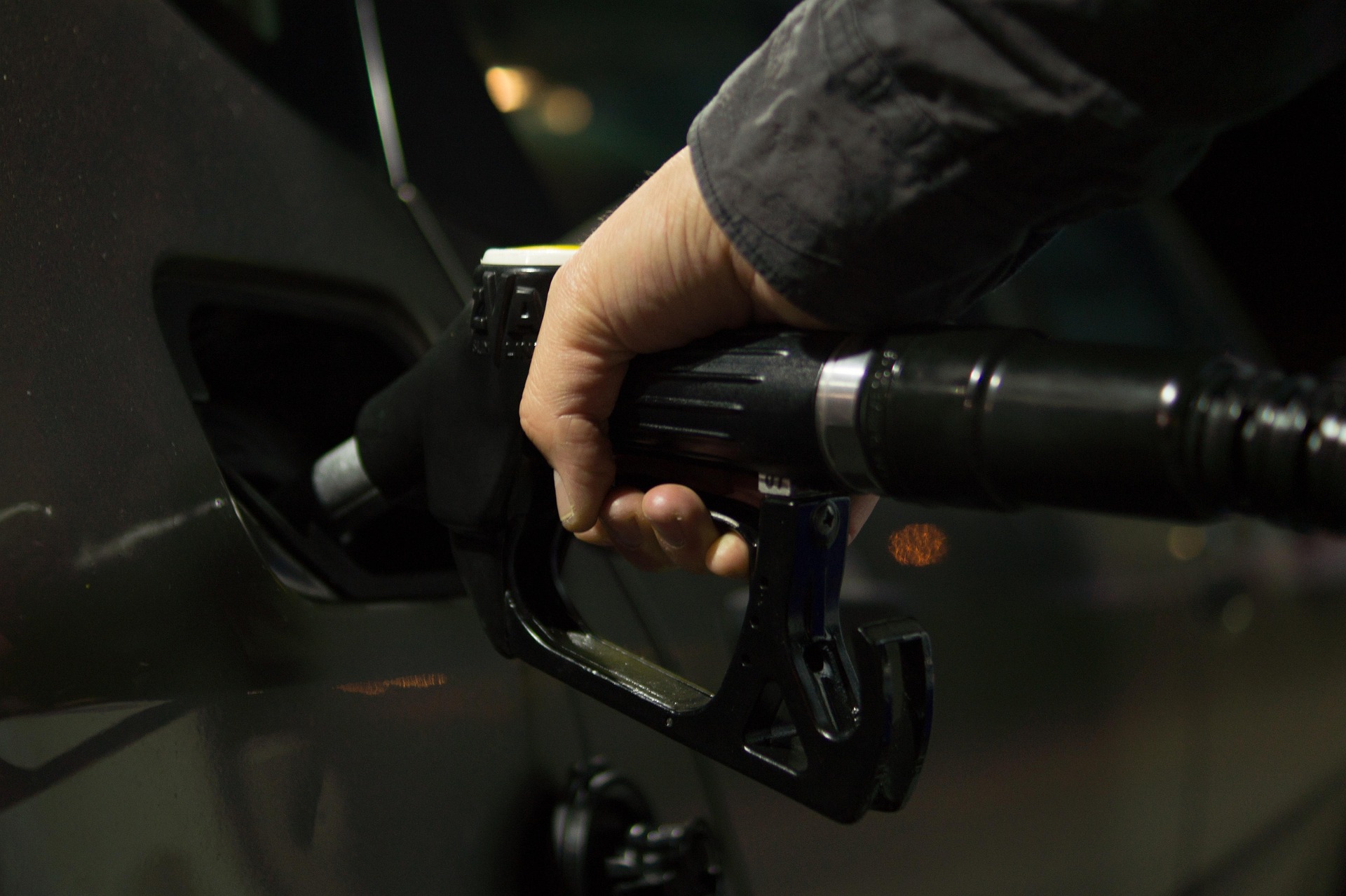
What Thursday’s report did capture was the inflation surge that preceded the worst of the oil shock. The Personal Consumption Expenditures price index — the Fed’s preferred inflation measure — came in at a 3.2% annual rate in Q1, well above the Fed’s 2% target. That figure reflects energy price increases that had already begun by late February and accelerated through March. It does not yet reflect April’s price spike, which pushed Brent crude to a wartime high of $126 per barrel and sent the average gallon of gasoline to $4.30 nationally — the highest since July 2022.
“This is still an AI-driven economy,” Olu Sonola, head of US economics at Fitch Ratings, said in commentary Thursday. “The longer the conflict with Iran drags on, the greater the risk that higher energy prices continue to push inflation up and ultimately dampen growth.”
That is the tension that Powell inherited from the start of his tenure and now hands off to Kevin Warsh. The economy is growing but inflation is above target. The war is making both dynamics harder to manage. Cutting rates — which Trump wants — would risk overheating an economy already producing above-target inflation. Holding rates — which Powell has done for three straight meetings — risks slowing a recovery that is being squeezed from the energy side.
The political math is equally complicated. Trump will claim the 2% GDP number as a win — it is, compared to Q4’s 0.5%, a significant rebound. Democrats will point to $4.30 gas and 3.2% inflation as evidence the war is costing American households more than the growth is delivering. Both arguments are supported by Thursday’s data.
Housing remains a persistent drag. Residential investment fell 8% in Q1 — the fifth consecutive quarterly decline — as mortgage rates hovering near 7% kept would-be buyers out of the market and slowed new construction. Affordability, already a core issue heading into the midterms, is not improving.
The economy is growing. Inflation is rising. The war is not over. And the man who managed all three of those realities simultaneously just gave his last press conference and handed the keys to his successor.