Business
Nike Charged You More for Tariffs. Now It May Keep the Refund.
By Curtis Jones · May 19, 2026
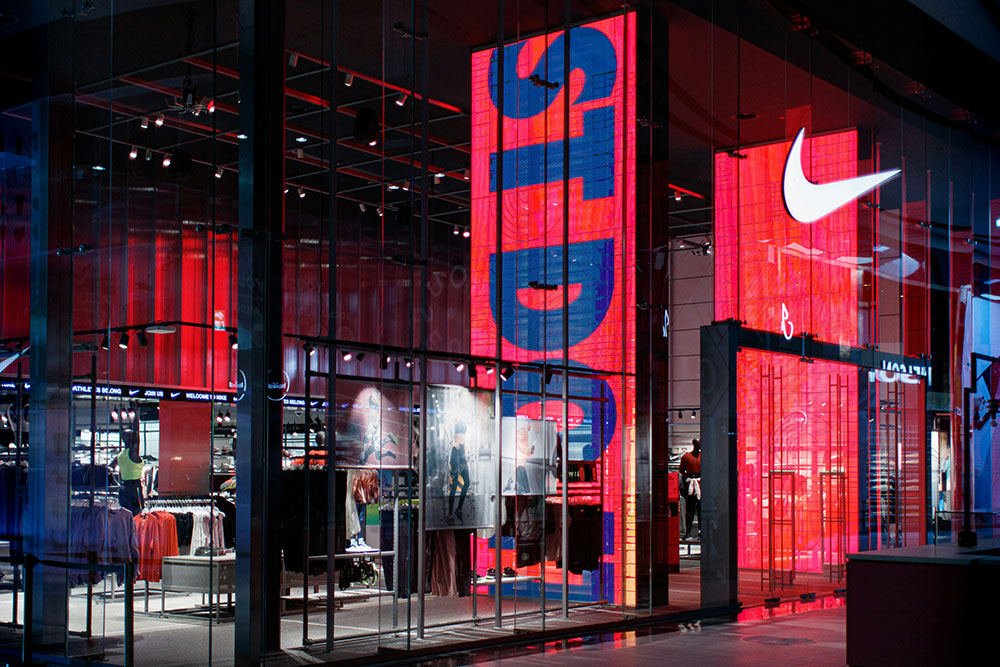
The Supreme Court struck down Trump’s sweeping tariffs in February. Companies that paid those tariffs are now collecting refunds from the federal government. The consumers who paid higher prices to cover those same tariffs are not.
At least three class action lawsuits are trying to change that — and Nike, Adidas, and Lululemon are the named defendants.
The lawsuit against Nike was filed May 8 in a Portland, Oregon federal court, and a second suit followed on May 12 in Illinois. The core allegation in both is straightforward. Nike paid approximately $1 billion in tariffs on imported goods — tariffs the Supreme Court subsequently ruled were illegally imposed. To offset those costs, Nike raised the price of some footwear by $5 to $10 per pair and some apparel by $2 to $10 per item. Consumers paid the higher prices. The government declared the tariffs illegal. Nike is now positioned to collect a federal refund for the $1 billion it paid.
“Nike stands to recover the same tariff payments twice — once from consumers through higher prices and again from the federal government through tariff refunds,” the complaint reads. “Nike has made no legally binding commitment to return tariff-related overcharges to the consumers who actually paid them.”
Adidas faces a similar suit filed May 12 in New York federal court. Adidas CEO Bjørn Gulden had previously stated publicly that the company had paid at least $233 million in tariffs and would be “forced to raise prices for American customers” — a statement now being cited as an admission in the complaint. The Adidas suit alleges the company raised individual sneaker prices by $10 or more. Lululemon, which had already been sued March 27 in Michigan over the same theory, estimates the company paid approximately $240 million in tariffs that it passed on to consumers, and has already filed in the Court of International Trade seeking its own government refund.
The legal theory — unjust enrichment — argues that allowing companies to collect government refunds for costs they already passed to consumers amounts to collecting the same money twice. Since the Supreme Court’s February ruling, approximately 1,000 cases have been filed in the U.S. Court of International Trade by importers seeking tariff refunds. Nike and Adidas are notably absent from that list — they have not yet publicly filed refund claims — while Lululemon, Reebok, On Holdings, and Skechers have.
There is a meaningful caveat to the consumer suits. The Customs and Border Protection portal for tariff refunds — CAPE — only began accepting claims April 20. CBP indicated the first refund payments would reach importers’ accounts May 12 — last week. The lawsuits were filed before most companies had received a dollar. Sara Albrecht, chairman of the Liberty Justice Center, which represented one of the companies in the original Supreme Court challenge, called the suits “premature” on those grounds. “Refunds have only just started flowing, and many companies have not even received money from the government yet. It is difficult to accuse companies of improperly retaining refunds before they have actually received them.”
The counterargument is that waiting until refunds are fully distributed to file suit would leave consumers with no practical remedy. The cases are moving through courts now.
What this means for consumers who bought Nike, Adidas, or Lululemon products between June 1, 2025, and February 24, 2026:
No settlement exists. No claim form is available. There is nothing to file today. If the class action lawsuits succeed and are certified, consumers who purchased qualifying products during that window would generally be included automatically — no registration needed. The most useful step right now is to save purchase records: receipts, order confirmation emails, credit card statements. If settlements are eventually reached, documentation of what you bought and when will matter when calculating individual payouts.
Do not pay anyone to register you for these lawsuits. No legitimate settlement administrator exists. Any site charging fees to “claim your spot” is a scam.